

iPhone 16e Vs iPhone 17

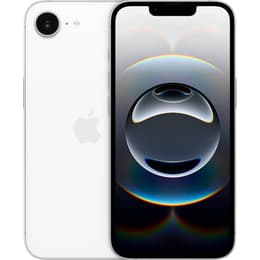
iPhone 16e
iPhone 16e
Starting at

Refurbished price:383.00

Versus €719.00 new

See options
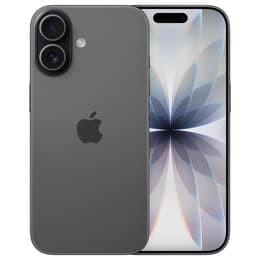
iPhone 17
iPhone 17
Starting at

Refurbished price:704.00

Versus €979.00 new

See options

Ratings

The iPhone 16e, released in February 2025, and the iPhone 17, launched in September 2025, represent different tiers within Apple's smartphone lineup. While the iPhone 16e serves as an entry-level option with a focus on core features, the iPhone 17 introduces a range of enhancements and next-generation technologies. Both devices operate on Apple's iOS platform, ensuring a consistent software experience, but they cater to users with varying priorities regarding display, camera capabilities, and overall performance.

Scores

Durability

Evaluating the practical lifespan of these devices involves considering their release timelines, software support, and physical resilience.

  • Release Timeline: The iPhone 16e, introduced in early 2025, and the iPhone 17, released in late 2025, benefit from recent manufacturing and design. The iPhone 16e was discontinued in March 2026, suggesting a shorter initial sales window, but its software support is expected to align with other devices from its release year.
  • Software Longevity: Both models launched with or support iOS 26, indicating several years of ongoing software updates and security patches. The iPhone 17, being the newer device, is likely to receive major iOS updates for a slightly longer period than the iPhone 16e.
  • Physical Durability: Both devices feature Ceramic Shield front covers for enhanced drop protection and are rated IP68 for splash, water, and dust resistance. The iPhone 17, however, incorporates Ceramic Shield 2, which offers improved scratch resistance.

Performance

The processing power and overall responsiveness differ between these two iPhone models, impacting how they handle demanding applications and multitasking.

  • Processing Power: The iPhone 16e is equipped with the A18 system on a chip, featuring a 6-core CPU and a 4-core GPU, which provides fast and smooth performance for everyday tasks and supports Apple Intelligence features. The iPhone 17 steps up to the A19 system on a chip, offering a newer generation of processing power that handles intensive applications and graphics-heavy games with greater efficiency.
  • Multitasking and Responsiveness: Both devices offer fluid navigation and quick app launches. The iPhone 17's more advanced processor and potentially optimized software contribute to a slightly more responsive experience, particularly when running multiple demanding applications simultaneously or engaging in high-fidelity mobile gaming.
  • Storage Configurations: The iPhone 16e is available with 128GB, 256GB, and 512GB storage options. The iPhone 17 starts with a 256GB base storage option, also offering 512GB, removing the 128GB variant from its lineup.

Memory (GB)

8 GB

8 GB

Screen quality

The visual experience is a key differentiator, with both models offering vibrant displays but with distinct characteristics.

  • Display Technology and Size: The iPhone 16e features a 6.1-inch Super Retina XDR OLED display, providing deep blacks and vibrant colors. The iPhone 17 comes with a slightly larger 6.3-inch LTPO Super Retina XDR OLED display, offering an expanded viewing area.
  • Refresh Rate and Brightness: The iPhone 16e maintains a standard 60Hz refresh rate. Its display reaches 800 nits typical brightness and 1200 nits peak brightness for HDR content. The iPhone 17 introduces ProMotion technology with an adaptive refresh rate up to 120Hz, resulting in smoother scrolling and more fluid animations. It also boasts higher brightness levels, with 1000 nits typical and an impressive 3000 nits peak brightness for outdoor visibility.
  • Display Features: The iPhone 16e retains the traditional notch design. The iPhone 17 adopts the Dynamic Island, integrating alerts and background activities into an interactive area at the top of the display.

Audiovisual

Both iPhones offer capable camera systems, but the iPhone 17 introduces more advanced features and sensor capabilities.

  • Rear Camera System: The iPhone 16e features a 48MP Fusion main camera with a single lens, capable of optical-quality 2x telephoto shots through sensor cropping. The iPhone 17 upgrades to a 48MP Dual Fusion camera system, including a 48MP main lens and a 48MP ultra-wide lens, providing greater versatility and detail capture.
  • Photography Performance: Both devices excel in everyday photography, offering features like Photonic Engine, Deep Fusion, and Smart HDR for improved image processing. The iPhone 17's larger sensors and dedicated ultra-wide lens contribute to enhanced low-light performance and broader scene capture.
  • Video Recording and Front Camera: Both support 4K video recording up to 60 frames per second. The iPhone 16e has a 12MP front camera. The iPhone 17 features an 18MP Center Stage front camera, which can automatically keep subjects centered during video calls and offers advanced video features like Cinematic mode and Spatial video recording.

Miscellaneous

Beyond core specifications, several practical elements contribute to the overall user experience of these devices.

  • Connectivity: The iPhone 16e supports Wi-Fi 6 and Bluetooth 5.3, along with 5G cellular connectivity. The iPhone 17 features more advanced connectivity with Wi-Fi 7 and Bluetooth 6.0, alongside 5G, and includes Apple's N1 networking chip and a second-generation Ultra Wideband chip for improved wireless performance and device tracking.
  • Ports and Biometrics: Both models have transitioned to a USB-C port for charging and data transfer, with the iPhone 17's port also supporting DisplayPort. Both devices rely on Face ID for secure authentication. The iPhone 16e includes an Action Button, replacing the traditional mute switch.
  • Design and Handling: The iPhone 16e maintains a design similar to previous generations with a notch, while the iPhone 17 adopts the Dynamic Island. The iPhone 16e has a 6.1-inch display and weighs 5.88 oz (166.7g). The iPhone 17 has a 6.3-inch display and weighs 6.24 oz (177g), offering a slightly larger form factor.

Screen size (in)

6.1

6.3

Network

5G

5G

SIM card

eSIM

eSIM

Carrier compatibility

Unlocked

Unlocked

The iPhone 16e and iPhone 17 cater to different user needs, with each device offering distinct advantages. Users often praise the iPhone 16e for providing a solid iPhone experience with a capable camera and strong performance for everyday use, making it a practical choice for those seeking reliability without the absolute latest features. Its familiar design and robust build quality are frequently highlighted as positive aspects. Some users, however, might note its 60Hz display and traditional notch as areas where it doesn't keep pace with newer models.

The iPhone 17, on the other hand, receives acclaim for its advanced display with ProMotion technology, significantly improved camera system, and the more interactive Dynamic Island. Its enhanced performance and future-proof connectivity are often cited as key benefits for power users and those who prioritize cutting-edge technology. Potential concerns might revolve around its slightly larger size compared to the 16e, though this is often a trade-off for the bigger display.

Users prioritizing a smooth visual experience, advanced photography features, and the latest processing power will find the iPhone 17 well-suited to their needs. This includes mobile gamers, content creators, and individuals who frequently use demanding applications. Conversely, users who value a dependable smartphone for daily communication, social media, and casual photography, and prefer a slightly more compact form factor, may lean toward the iPhone 16e. Both devices offer a quality-assured refurbished option, providing an eco-friendly alternative for consumers.


See all articles

Our recent comparisons