
Compare models
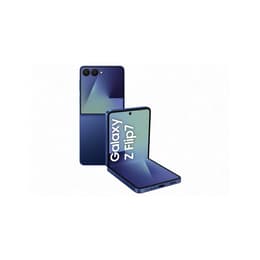
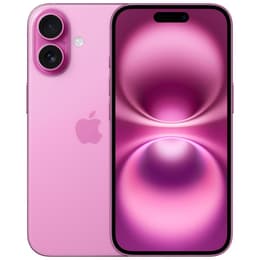
Galaxy Z Flip7 Vs iPhone 16
- 1-year minimum warranty
- Free delivery on all orders
- Free 30-day returns
Differences at a glance
The Samsung Galaxy Z Flip7 (2025) and the Apple iPhone 16 (2024) represent two distinct approaches to modern smartphone design, contrasting a flexible clamshell form factor with a traditional slate layout. While both devices deliver current-generation performance and advanced capabilities, they cater to different physical preferences and operating systems, with the Galaxy running Android and the iPhone operating on iOS.
Available Models
Colour
Storage (GB)
Scores
Durability
Both smartphones provide robust long-term usability, though their physical construction and update pathways differ based on release timing and hardware format.
- Software Longevity: The iPhone 16 benefits from Apple's long-standing update track record, whereas the Galaxy Z Flip7 features extended Android version support paired with regular security patches.
- Physical Durability: The iPhone 16 relies on a rigid glass-and-aluminum slate build, while the Galaxy Z Flip7 employs a folding mechanism that requires careful handling over years of repeated bending.
- Repairability: Both manufacturers offer structured support channels, though traditional slate handsets generally present simpler maintenance requirements than foldable alternatives.
Year of Release
2025
2024
Compatible with latest Update
Yes
Yes
Foldable
Yes
No
Performance
Under everyday conditions, both devices handle intensive multitasking, demanding applications, and quick app switching without noticeable stuttering.
- System Responsiveness: Both models load heavy software swiftly and maintain smooth transitions, supported by ample memory configurations.
- Battery Behavior: The iPhone 16 manages daily energy consumption efficiently for a standard slate footprint, while the Galaxy Z Flip7 balances power distribution across its dual-screen layout.
- Storage Capacity: Both devices offer tiered storage options to accommodate varying media libraries and document collections without immediate space constraints.
Screen quality
Visual output differs significantly due to the folding architecture of one device compared to the classic flat display of the other.
- Display Technology: The Galaxy Z Flip7 utilizes a flexible organic light-emitting diode panel with a smooth refresh rate alongside an external cover screen, while the iPhone 16 features a rigid, bright panel with deep contrast levels.
- Outdoor Visibility: Both screens reach high peak brightness levels, ensuring readability under direct sunlight during outdoor use.
- Viewing Experience: The iPhone provides a continuous rectangular viewing area, whereas the foldable display introduces a crease that remains subtly visible depending on viewing angles.
Resolution
1080x2520
1179 x 2556
Audiovisual
Photography and media creation capabilities are well-represented on both models through versatile multi-lens rear arrays and clear front-facing sensors.
- Lens Versatility: Both handsets include primary and ultra-wide lenses that capture sharp daytime images and handle low-light environments effectively.
- Video Recording: Each device supports high-resolution video capture with advanced stabilization features to minimize shake during movement.
- Media Output: Stereo speaker setups on both models deliver clear audio for hands-free calls and casual video playback.
Front camera
10 megapixels
12 megapixels
Miscellaneous
Physical dimensions and connectivity standards shape how each smartphone integrates into daily routines and travel gear.
- Handling and Portability: The Galaxy Z Flip7 folds in half to occupy minimal pocket space, whereas the iPhone 16 maintains a slim, uniform profile that fits standard accessories easily.
- Connectivity: Both models support modern cellular networks, fast wireless standards, and secure biometric authentication methods such as facial recognition or fingerprint scanning.
- Ecosystem Integration: Users can opt for quality-assured refurbished options for either brand on platforms like Back Market, making sustainable technology choices more accessible.
Weight
188 g
170 g
Screen size (in)
6.9
6.1
Network
5G
5G
SIM card
Physical SIM + eSIM
Physical SIM + eSIM
Carrier compatibility
Unlocked
Unlocked
Connector
USB-C
USB-C (USB 2)
What the community thinks
User discussions across public forums frequently highlight the appeal of the Galaxy Z Flip7 for its compact folded footprint and versatile cover screen, though some contributors note that hinge maintenance requires a mindful approach. Conversely, the iPhone 16 receives consistent praise for its dependable battery efficiency, sturdy slate construction, and intuitive ecosystem workflow, with occasional remarks centered on the familiar, unchanging design language.
Users prioritizing a compact pocket footprint and flexible screen arrangements may prefer the Galaxy Z Flip7, while users prioritizing a rigid traditional build and streamlined software integration will likely lean toward the iPhone 16. Evaluating these core format differences helps ensure a suitable match for daily mobile habits. For those seeking sustainable choices, exploring quality-assured refurbished options provides an eco-friendly alternative for acquiring either device.