

Galaxy Z Fold6 Vs iPhone 16e

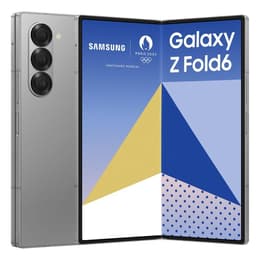
Galaxy Z Fold6
Galaxy Z Fold6
Starting at

Refurbished price:750.00

Versus €1,973.53 new

See options
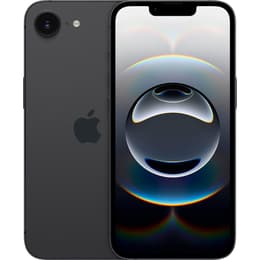
iPhone 16e
iPhone 16e
Starting at

Refurbished price:387.00

Versus €719.00 new

See options

Ratings

The Samsung Galaxy Z Fold6, released in July 2024, and the Apple iPhone 16E, introduced in February 2025, represent distinct approaches to modern smartphone design and functionality. While the Galaxy Z Fold6 offers a unique foldable form factor that transforms a compact device into a large-screen tablet, the iPhone 16E provides a traditional, streamlined smartphone experience within the Apple ecosystem. These devices cater to different user preferences, primarily differing in their display configurations and operating system environments.

Scores

Durability

When considering the long-term usability of these devices, their release timelines and software support policies are key factors. The Galaxy Z Fold6, launched in mid-2024, is part of Samsung's commitment to extended software longevity, while the iPhone 16E, released in early 2025, has a more recent discontinuation.

  • Software Support: The Galaxy Z Fold6 is designed to receive seven years of operating system and security updates, offering an extended period of software relevance and security. The iPhone 16E, while benefiting from Apple's consistent iOS updates, was discontinued in March 2026, which means its future software support will be limited compared to a currently available model. [10, 11]
  • Physical Durability: The Galaxy Z Fold6 features an IPX8 water resistance rating and a more durable hinge design, addressing common concerns with foldable devices. The iPhone 16E comes with an IP68 dust and water resistance rating and a Ceramic Shield front cover, providing robust protection against everyday hazards. [6, 11, 15, 16]
  • Expected Lifespan: Users prioritizing the longest possible software support and a cutting-edge, evolving form factor may find the Galaxy Z Fold6 to be a more future-proof option. For those who prefer a traditional smartphone and are comfortable with a device that has a shorter official support window due to its discontinuation, the iPhone 16E still offers a quality-assured refurbished option for a reliable experience. [10, 11]

Year of Release

2024

2025

OS

Android

iOS

Foldable

Yes

No

Performance

Both the Galaxy Z Fold6 and the iPhone 16E are equipped with powerful processors designed to handle demanding tasks, though their architectures and real-world performance characteristics differ based on their respective operating systems and hardware configurations.

  • Processing Power: The Galaxy Z Fold6 is powered by a current-generation Snapdragon processor, specifically tuned for Galaxy devices, enabling smooth operation across multiple applications and intensive gaming. The iPhone 16E features Apple's A18 chip, which provides responsive performance for everyday tasks, app loading, and general system fluidity within the iOS environment. [2, 6, 10, 15]
  • Multitasking Capabilities: With 12GB of RAM, the Galaxy Z Fold6 is well-suited for extensive multitasking, allowing users to run numerous applications simultaneously and utilize its large foldable display for split-screen productivity without noticeable slowdowns. The iPhone 16E, with 8GB of RAM, efficiently manages multiple applications and transitions smoothly between them, optimized by iOS for a fluid user experience. [1, 6, 10, 12]
  • Battery Behavior: The Galaxy Z Fold6 houses a 4400 mAh battery, designed to power its dual-display setup and high-performance components through a full day of varied use. The iPhone 16E is equipped with a 4005 mAh battery, offering substantial power for typical daily usage, with users reporting extended video and audio playback times. [1, 3, 11, 12]

Memory (GB)

12 GB

8 GB

Screen quality

The display experience is a primary differentiator between these two devices, with the Galaxy Z Fold6 offering a unique foldable design and the iPhone 16E providing a high-quality traditional smartphone screen.

  • Display Technology and Size: The Galaxy Z Fold6 features a 7.6-inch Dynamic AMOLED 2X main display when unfolded, providing an expansive canvas for media and productivity, complemented by a 6.3-inch Dynamic AMOLED 2X cover display for single-handed use. The iPhone 16E sports a 6.1-inch Super Retina XDR OLED display, offering a vibrant and clear viewing experience in a more compact form factor. [1, 10, 12, 13]
  • Resolution and Clarity: The Galaxy Z Fold6's main display boasts a resolution of 2160x1856 pixels, delivering sharp images and text across its large surface, while its cover display also offers high clarity. The iPhone 16E's display provides a resolution of 2532x1170 pixels, resulting in crisp visuals and fine detail for its size. [1, 10, 12]
  • Brightness and Refresh Rate: Both devices offer excellent brightness levels, with the Galaxy Z Fold6 reaching up to 2,600 nits peak brightness, ensuring visibility even in bright outdoor conditions, and featuring an adaptive 120Hz refresh rate on both displays for smooth scrolling. The iPhone 16E provides up to 1200 nits peak HDR brightness and a typical maximum brightness of 800 nits, but maintains a standard 60Hz refresh rate. [6, 9, 10, 12]

Resolution

1856 x 2160

2532x1170

Audiovisual

The camera systems of the Galaxy Z Fold6 and iPhone 16E are designed to capture high-quality images and videos, though they differ in their configurations and specialized features.

  • Rear Camera System: The Galaxy Z Fold6 features a versatile triple-camera setup on the rear, including a 50MP wide-angle lens with optical image stabilization, a 12MP ultrawide lens, and a 10MP telephoto lens with 3x optical zoom, allowing for a range of photographic possibilities. The iPhone 16E is equipped with a single 48MP Fusion main camera with optical image stabilization, designed for capturing detailed photos in various lighting conditions. [2, 10, 12, 13]
  • Front Camera Performance: For selfies and video calls, the Galaxy Z Fold6 includes a 10MP camera on its cover display and a 4MP under-display camera on its main screen. The iPhone 16E features a 12MP TrueDepth front camera, known for its detailed image capture and advanced facial recognition capabilities. [2, 11, 12, 13]
  • Video Recording and Audio: Both devices are capable of high-resolution video recording, with the Galaxy Z Fold6 supporting 8K video at 30 frames per second, and the iPhone 16E offering 4K Dolby Vision video recording. Both devices also provide clear microphone quality for calls and recordings, and deliver a good media consumption experience through their speakers. [9, 12]

Front camera

4 megapixels

TrueDepth 12MP

Miscellaneous

Beyond their core functionalities, several practical elements contribute to the overall user experience and differentiate the Galaxy Z Fold6 and iPhone 16E.

  • Connectivity and Ports: Both devices support 5G connectivity for fast mobile data. The Galaxy Z Fold6 offers Wi-Fi and NFC, while the iPhone 16E supports Wi-Fi 6 and Bluetooth 5.3. Both devices utilize a USB-C port for charging and data transfer, though the iPhone 16E's USB-C port operates at USB 2.0 speeds. [2, 11, 16]
  • Biometric Security and Features: The Galaxy Z Fold6 incorporates a fingerprint sensor for secure unlocking. The iPhone 16E relies on its TrueDepth camera system for Face ID, providing secure facial recognition. The iPhone 16E also includes an Action Button, replacing the traditional mute switch, offering customizable shortcuts. [6, 11, 16]
  • Design and Handling: The Galaxy Z Fold6, with its foldable design, weighs 239 grams and has dimensions that vary between folded and unfolded states, offering a unique blend of portability and screen real estate. The iPhone 16E is a lighter device at 167 grams, with a more traditional slab design, making it comfortable for one-handed use. [10, 11, 18]

Weight

239 g

167 g

Screen size (in)

7.6

6.1

Network

5G

5G

SIM card

Physical SIM + eSIM

eSIM

Carrier compatibility

Unlocked

Unlocked

Connector

USB-C

USB-C

The choice between the Samsung Galaxy Z Fold6 and the Apple iPhone 16E largely depends on individual priorities regarding form factor, operating system preference, and long-term device support.

Users frequently praise the Galaxy Z Fold6 for its innovative foldable display, which enhances productivity and media consumption by offering a tablet-like experience in a pocketable form. Its robust multitasking capabilities and versatile camera system are also commonly highlighted as strong points. Some criticisms often revolve around its thickness when folded and the inherent considerations of a foldable device's durability, though Samsung has made strides in hinge design. The consensus is that it's a device for those who want the most expansive screen experience on a smartphone. [10, 15]

The iPhone 16E, on the other hand, is often lauded for its familiar and user-friendly iOS ecosystem, reliable performance, and high-quality single main camera. Its compact size and Ceramic Shield durability are also frequently appreciated. A common point of discussion, however, is its 60Hz display refresh rate, which some users might find less fluid compared to devices with higher refresh rates. The recent discontinuation of the iPhone 16E is a significant factor, indicating that while it offers a solid experience, its future software support window will be shorter than currently available models. [6, 11]

Users prioritizing a large, adaptable screen for productivity and immersive media, coupled with the latest Android features and extended software support, may find the Galaxy Z Fold6 well-suited to their needs. Conversely, users who prefer the streamlined iOS experience, a traditional smartphone form factor, and a dependable camera for everyday use, might lean towards the iPhone 16E, especially as a quality-assured refurbished option. Both devices offer distinct advantages, catering to different user profiles and usage patterns, allowing for an informed and sustainable choice.


See all articles

Our recent comparisons