

Galaxy S21 5G Vs iPhone 16 Pro

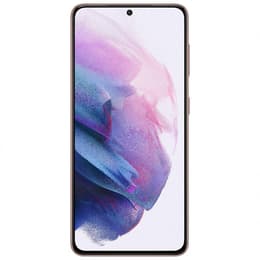
Galaxy S21 5G
Galaxy S21 5G
Starting at

Refurbished price:165.00

Versus €1,026.00 new

See options
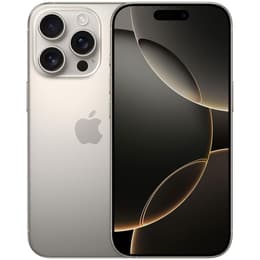
iPhone 16 Pro
iPhone 16 Pro
Starting at

Refurbished price:645.00

Versus €1,239.00 new

See options

Ratings

The Samsung Galaxy S21 5G, released in January 2021, and the iPhone 16 Pro, launched in September 2024, represent different generations of flagship smartphones from their respective manufacturers. While both offer premium mobile experiences, the iPhone 16 Pro benefits from several years of technological advancements, particularly in processing power, camera capabilities, and long-term software support. The Galaxy S21 operates on the Android platform, offering a customizable interface, whereas the iPhone 16 Pro runs on Apple's iOS, known for its integrated ecosystem and consistent user experience.

Scores

Durability

The practical lifespan of a smartphone is significantly influenced by its release timeline and the duration of software support it receives.

  • Release Timeline: The Samsung Galaxy S21 5G was released in January 2021, making it an older device compared to the iPhone 16 Pro, which launched in September 2024. This age difference directly impacts their remaining support cycles.
  • Software Longevity: The Galaxy S21 series received its final major Android OS update (Android 15-based One UI 7.0) in May 2025, with security updates concluding around January 2026. In contrast, the iPhone 16 Pro, launching with iOS 18, is expected to receive major iOS updates until approximately 2031, offering a significantly longer period of software relevance and security.
  • Repairability: The Galaxy S21 5G generally has a good repairability score, with some assessments noting its ease of disassembly and replaceable components, though battery removal can be challenging due to strong adhesive. The iPhone 16 Pro has also made strides in repairability, featuring a dual-entry design, more modular components, and improved battery access, earning a 7 out of 10 score from iFixit.

Year of Release

2021

2024

Compatible with latest Update

Yes

Yes

Foldable

No

No

Performance

Performance is a key differentiator, with the newer iPhone 16 Pro offering a substantial advantage due to its more recent hardware.

  • Processing Power: The iPhone 16 Pro features a current-generation processor designed for enhanced performance, particularly in demanding applications, advanced gaming, and AI-driven tasks. This results in very smooth operation and efficient handling of complex workloads. The Galaxy S21 5G, while a flagship in its time, provides capable performance for everyday tasks and most applications, but may show limitations with the most intensive modern software.
  • System Responsiveness and Multitasking: Users of the iPhone 16 Pro can expect highly responsive interactions and seamless multitasking, even with numerous applications open simultaneously. The Galaxy S21 5G also offers a fluid user experience for typical usage, with 8GB of RAM supporting effective app switching.
  • Storage Options: The iPhone 16 Pro is available with storage capacities ranging from 128GB up to 1TB, providing ample space for various user needs. The Galaxy S21 5G comes with 128GB or 256GB internal storage options, but lacks a microSD card slot for expansion.

Memory (GB)

8 GB

8 GB

Screen quality

Both devices offer high-quality displays, but the iPhone 16 Pro incorporates more advanced display technology and features.

  • Display Technology and Clarity: The Galaxy S21 5G features a 6.2-inch Dynamic AMOLED 2X display with a resolution of 1080 x 2400 pixels, providing vibrant colors and deep blacks. The iPhone 16 Pro has a slightly larger 6.3-inch Super Retina XDR OLED display with a higher resolution of 2868 x 1230 pixels, resulting in a sharper image with 460 pixels per inch.
  • Brightness and Refresh Rate: The Galaxy S21 5G offers an adaptive 120Hz refresh rate for smooth scrolling and responsiveness, along with HDR10+ support. The iPhone 16 Pro also features a 120Hz ProMotion display, and boasts higher brightness levels, with a typical maximum of 1000 nits, peak HDR brightness of 1600 nits, and up to 2000 nits peak brightness outdoors, enhancing visibility in bright conditions.
  • Viewing Experience: The iPhone 16 Pro benefits from slimmer bezels, maximizing the screen-to-body ratio for a more immersive viewing experience.

Resolution

1080 x 2400

1206 x 2622

Screen type

Dynamic AMOLED 2X

LTPO Super Retina XDR OLED

Audiovisual

The camera systems on both smartphones are designed for high-quality imaging, with the iPhone 16 Pro featuring more recent advancements.

  • Rear Camera System: The Galaxy S21 5G includes a versatile triple camera setup with a 12MP ultrawide, a 12MP wide-angle, and a 64MP telephoto lens offering 3x optical zoom. It supports 8K video recording and provides good stabilization. The iPhone 16 Pro features upgraded wide and ultrawide cameras, including a 48MP ultrawide lens, and a 5x optical zoom telephoto lens utilizing a tetraprism design. It also introduces a new Camera Control button for enhanced photographic interaction.
  • Photography Performance: Both devices deliver strong performance in everyday photography. The iPhone 16 Pro's newer sensors and processing capabilities contribute to improved low-light performance and greater detail capture, with support for advanced formats like ProRes and ProRaw.
  • Audio Quality: Both phones offer good microphone quality for calls and recording, and provide a satisfying media consumption experience through their speakers.

Main camera

12 megapixels

48 megapixels

Front camera

10 megapixels

12 megapixels

Miscellaneous

Beyond core features, several practical elements contribute to the overall user experience of these devices.

  • Connectivity: Both the Galaxy S21 5G and the iPhone 16 Pro support 5G connectivity for fast mobile data. The iPhone 16 Pro also includes support for Wi-Fi 7, offering faster and more reliable wireless internet connections compared to the Wi-Fi standards supported by the Galaxy S21 5G.
  • Ports and Biometrics: The Galaxy S21 5G uses a USB-C port for charging and data transfer and features an under-display fingerprint scanner for secure unlocking. The iPhone 16 Pro utilizes a USB-C port and relies on Face ID for biometric authentication.
  • Build Materials and Handling: The Galaxy S21 5G has an IP68 rating for dust and water resistance and features a plastic back with a metal camera housing. It measures 151.7 x 71.2 x 7.9 mm and weighs 169 grams. The iPhone 16 Pro also carries an IP68 rating and features a titanium finish, measuring 149.6 × 71.5 × 8.25 mm and weighing 199 grams.

Weight

171 g

199 g

Screen size (in)

6.2

6.3

Network

5G

5G

SIM card

Physical SIM + eSIM

eSIM

Carrier compatibility

Unlocked

Unlocked

Connector

USB-C

USB-C (USB 3)

User sentiment for the Samsung Galaxy S21 5G often highlights its vibrant display, versatile camera system, and comfortable size as praise points. Common criticisms sometimes focused on its battery life for heavy users and the lack of expandable storage. For the iPhone 16 Pro, users frequently commend its powerful performance, advanced camera capabilities, and the extended software support Apple provides. Some discussions around the iPhone 16 Pro have noted its incremental design changes compared to previous models, though the larger display and improved repairability are generally well-received.

Users prioritizing a highly customizable Android experience with a capable camera and a compact form factor may find the Galaxy S21 5G suitable for their needs. Those who value cutting-edge performance, a longer period of software updates, and advanced camera features, particularly for photography and videography, will likely lean towards the iPhone 16 Pro. The iPhone 16 Pro also appeals to users deeply integrated into the Apple ecosystem. For consumers considering either device, exploring quality-assured refurbished options can provide an eco-friendly alternative to purchasing new, extending the life cycle of these products.


See all articles

Our recent comparisons