
Compare models

Galaxy S26 Vs iPhone 16

  • 1-year minimum warranty
  • Free delivery on all orders
  • Free 30-day returns
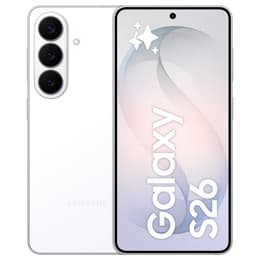
Galaxy S26
Starting at

Refurbished price:620.00

Versus €999.00 new

See options
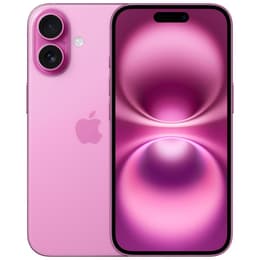
iPhone 16
Starting at

Refurbished price:598.92

Versus €1,029.00 new

See options

Differences at a glance

The Samsung Galaxy S26 (2026) and the Apple iPhone 16 (2024) represent flagship smartphones from two distinct mobile ecosystems, running Android and iOS respectively. While they occupy similar market positions as compact premium devices, they differ significantly in their launch timelines, interface design, and hardware configurations. Choosing between them often comes down to personal software preference and integration with other electronic devices.

Available Models

Colour

Storage (GB)

Scores

Durability

Both devices are built for long-term usage, though their release timelines and software support policies shape different expectations for longevity and hardware maintenance.

    Release Timeline: The iPhone 16 debuted in late 2024, whereas the Galaxy S26 launched in early 2026, giving the Samsung model a newer hardware baseline. Software Longevity: Apple provides multi-year iOS updates for approximately five to six years from release, while Samsung matches this with extensive Android and security patch commitments. Repairability: Both manufacturers design their handsets with modular internal components to facilitate servicing, helping extend practical everyday utility.

Year of Release

2026

2024

Compatible with latest Update

Yes

Yes

Foldable

No

No

Performance

Handling daily operations, demanding applications, and background multitasking efficiently, each smartphone utilizes current-generation internal components paired with distinct memory configurations.

    Multitasking and Responsiveness: The Galaxy S26 integrates expanded system memory for smooth app switching, while the iPhone 16 relies on tightly integrated hardware optimization to maintain steady multitasking performance. Battery Behavior: Battery capacities differ slightly between the two, with energy management software playing a major role in sustaining a full day of mixed usage under typical conditions. Storage Options: Both models provide flexible built-in storage tiers to accommodate large photo libraries, offline media, and application data without slowing down system speed.

Screen quality

Display characteristics focus on visual clarity, outdoor visibility, and smooth motion reproduction for media viewing and navigation.

    Display Technology: Both models feature advanced OLED panels that deliver deep contrast levels, sharp text rendering, and vivid color reproduction. Brightness and Outdoor Legibility: Peak brightness outputs on both devices allow content to remain easily readable under direct sunlight or bright ambient lighting. Refresh Rate: The Galaxy S26 incorporates a high-refresh-rate panel for fluid scrolling animations, while the iPhone 16 utilizes a standard refresh rate for everyday navigation.

Resolution

1080 x 2340

1179 x 2556

Audiovisual

Capturing everyday moments and multimedia content relies on multi-lens rear setups backed by automated image processing software.

    Rear Camera Systems: The Galaxy S26 features a triple-lens array including a dedicated telephoto zoom lens, whereas the iPhone 16 utilizes a dual-lens setup focused on primary and ultra-wide angles. Low-Light and Video: Both devices offer stable video recording stabilization and automated night modes that preserve detail in dimly lit environments. Audio and Media Output: Stereo speaker systems on both smartphones provide clear voice reproduction and balanced sound output for hands-free calls and casual media consumption.

Front camera

12.0

12 megapixels

Miscellaneous

Physical handling, connectivity standards, and daily utility features define the practical usability of each smartphone outside of core processing tasks.

    Build and Ergonomics: Both devices offer slim profiles and balanced weights, though subtle differences in width and corner curvature influence single-handed reach. Connectivity and Ports: Universal USB-C charging ports are standard on both models, alongside support for rapid mobile data speeds and modern wireless networking standards. Security and Sensors: Biometric authentication relies on facial recognition for the iPhone 16 and an in-display fingerprint sensor for the Galaxy S26.

Weight

167 g

170 g

Screen size (in)

6.3

6.1

Network

5G

5G

SIM card

Physical SIM + eSIM

Physical SIM + eSIM

Carrier compatibility

Unlocked

Unlocked

Connector

USB-C

USB-C (USB 2)

What the community thinks

User discussions across community forums highlight distinct preferences when comparing these two smartphones. Owners frequently praise the iPhone 16 for its seamless operating system integration, intuitive interface, and reliable video recording capabilities. At the same time, community members often commend the Galaxy S26 for its versatile multi-lens camera setup, fluid display refresh rate, and customizable Android environment. Common minor criticisms for both models center on moderate battery endurance under intensive gaming loads and the absence of included power adapters in the box.

Users who prefer a streamlined software ecosystem, long-standing iOS familiarity, and robust video tools will find the iPhone 16 well-suited to their needs. Conversely, users prioritizing a high-refresh-rate display, flexible camera zooming options, and Android customization may lean toward the Galaxy S26. For environmentally conscious consumers looking for a quality-assured refurbished option, exploring sustainable choices on Back Market provides a reliable way to acquire either model while minimizing electronic waste.