

Google Pixel 9 Pro Vs iPhone 13 Pro

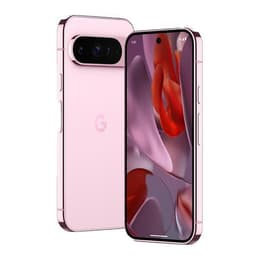
Google Pixel 9 Pro
Google Pixel 9 Pro
Starting at

Refurbished price:475.00

Versus €1,299.00 new

See options
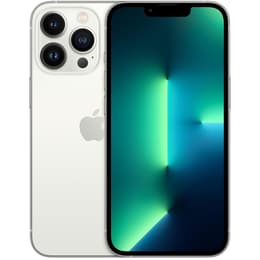
iPhone 13 Pro
iPhone 13 Pro
Starting at

Refurbished price:313.00

Versus €1,149.00 new

See options

Ratings

The Google Pixel 9 Pro, released in late 2024, and the iPhone 13 Pro, launched in late 2021, represent different generations and operating system philosophies in the smartphone market. While the Pixel 9 Pro showcases Google's latest advancements in AI and computational photography on the Android platform, the iPhone 13 Pro offers Apple's established iOS ecosystem with a focus on integrated hardware and software performance. These devices cater to users with distinct preferences for software experience and hardware design.

Scores

Durability

The longevity of a smartphone is influenced by its release timeline, software support, and ease of repair.

  • Release Timeline and Age: The Google Pixel 9 Pro was released in August 2024, making it a more recent device compared to the iPhone 13 Pro, which debuted in September 2021. This age difference impacts the duration of future software support and the availability of replacement parts.
  • OS Support Duration: Google has committed to providing 7 years of major Android upgrades for the Pixel 9 Pro, extending its software lifespan significantly. The iPhone 13 Pro, while known for Apple's long-term iOS support, typically receives major updates for approximately 5-6 years from its release.
  • Repairability: The Pixel 9 Pro has an official FR Repairability Index score of 8.4 out of 10, suggesting a design that facilitates repairs. However, some teardowns of the Pixel 9 Pro XL indicated challenges with strong adhesives and display removal. The iPhone 13 Pro received an iFixit repairability score of 5 out of 10, with display and battery replacements being prioritized, but software limitations can complicate third-party screen repairs by disabling features like Face ID.

Year of Release

2024

2021

Compatible with latest Update

Yes

Yes

OS

Android

iOS

Foldable

No

No

Performance

Performance in daily use is a key factor, encompassing how smoothly applications run, how efficiently the battery operates, and the device's overall responsiveness.

  • Processor Capabilities: The Pixel 9 Pro features Google's Tensor G4 processor, designed to optimize on-device artificial intelligence tasks and deliver efficient performance for demanding applications and multitasking. The iPhone 13 Pro is powered by Apple's A15 Bionic chip, which provides robust performance for gaming, video editing, and general system responsiveness.
  • RAM and Storage: The Pixel 9 Pro comes with 16GB of RAM, which supports extensive multitasking and the device's advanced AI features. The iPhone 13 Pro is equipped with 6GB of RAM. Both devices offer a range of storage options, from 128GB up to 1TB, catering to various user needs for app installations and media storage.
  • Battery Behavior: The Pixel 9 Pro houses a 4700mAh battery, designed to provide over 24 hours of typical use and extended longevity with extreme power-saving modes. The iPhone 13 Pro has a 3095 mAh battery, which, combined with its efficient processor and adaptive display, offers significant battery life improvements over its predecessors, with some users reporting it can last through a full day of heavy use. Both support fast wired and wireless charging.

Memory (GB)

16 GB

6 GB

Screen quality

The display is a primary interface for smartphone interaction, with differences in technology, resolution, and refresh rate affecting the visual experience.

  • Display Technology and Clarity: Both devices feature OLED displays, known for deep blacks and vibrant colors. The Pixel 9 Pro has a 6.3-inch QHD+ OLED display with a resolution of 1280x2856 pixels and 495 pixels per inch (ppi). The iPhone 13 Pro features a 6.1-inch Super Retina XDR OLED display with a resolution of 2532x1170 pixels at 460 ppi.
  • Brightness and Refresh Rate: The Pixel 9 Pro offers a peak brightness of 2000 nits for HDR content, providing clear visibility even in bright outdoor conditions. It also features an adaptive refresh rate ranging from 1Hz to 120Hz for smooth scrolling and power efficiency. The iPhone 13 Pro's display reaches 1000 nits typical brightness and 1200 nits peak HDR brightness, and its ProMotion technology also offers an adaptive refresh rate from 10Hz to 120Hz.
  • Screen Protection: The Pixel 9 Pro is protected by Gorilla Glass Victus 2. The iPhone 13 Pro utilizes Apple's Ceramic Shield front cover for enhanced durability.

Resolution

1280 x 2856

1170 x 2532

Screen type

LTPO OLED

Super Retina XDR OLED

Audiovisual

Camera systems are a significant consideration for many users, with both devices offering advanced capabilities for photography and videography.

  • Rear Camera System: The Pixel 9 Pro features a triple rear camera setup, including a 50MP main sensor, a 48MP ultrawide sensor with autofocus, and a 48MP telephoto lens with 5x optical zoom. The iPhone 13 Pro also has a triple 12MP camera system, comprising a wide lens with sensor-shift optical image stabilization, an ultrawide lens with autofocus, and a telephoto lens with 3x optical zoom.
  • Photography Features: The Pixel 9 Pro leverages Google's computational photography for features like Super Res Zoom and enhanced low-light performance, alongside new AI-driven capabilities. The iPhone 13 Pro offers features such as Cinematic Mode for video with shallow depth of field, ProRes video recording, and macro photography, supported by its LiDAR Scanner for improved depth sensing.
  • Front Camera and Video: The Pixel 9 Pro includes a 42MP Dual PD selfie camera with autofocus and an ultrawide field of view, designed for improved light sensitivity. The iPhone 13 Pro has a 12MP TrueDepth front camera with features like Night mode and 4K video recording. Both devices are capable of high-quality video recording, with the iPhone 13 Pro supporting up to 4K at 60fps and ProRes.

Main camera

50 megapixels

12 megapixels

Front camera

42 megapixels

12 megapixels

Miscellaneous

Beyond core features, several practical elements contribute to the overall user experience and device utility.

  • Connectivity and Ports: The Pixel 9 Pro supports 5G (sub-6GHz and mmWave), Wi-Fi 7, and Bluetooth 5.3, along with NFC and an emergency Satellite SOS feature. It uses a USB-C port for charging and data transfer. The iPhone 13 Pro supports 5G, Wi-Fi 6, and Bluetooth 5.0, featuring a U1 Ultra Wideband chip and NFC. It uses Apple's proprietary Lightning port.
  • Biometric Security and Design: The Pixel 9 Pro incorporates an ultrasonic fingerprint sensor embedded in the display for secure unlocking. The iPhone 13 Pro relies on Face ID, Apple's facial recognition system. The Pixel 9 Pro features a flat-edged design with glass and metal finishes, weighing 199g. The iPhone 13 Pro has a stainless steel frame and a textured matte glass back, weighing 204g, and both offer IP68 water resistance.
  • Additional Features: The Pixel 9 Pro integrates advanced Gemini AI capabilities, including multimodal interactions and an AI Assistant, alongside features like 8K video upscaling. The iPhone 13 Pro offers a robust ecosystem of accessories and services, including MagSafe for magnetic attachments and charging.

Weight

280 g

203 g

Screen size (in)

6.8

6.1

Network

5G

5G

SIM card

Physical SIM + eSIM

Physical SIM + eSIM

Carrier compatibility

Unlocked

Unlocked

Connector

USB-C

Lightning

Choosing between the Google Pixel 9 Pro and the iPhone 13 Pro involves weighing the benefits of a newer Android flagship against a slightly older, but still capable, iOS device. Users often praise the Pixel series for its exceptional computational photography and the seamless integration of Google's AI services, which are further enhanced in the Pixel 9 Pro. The iPhone 13 Pro, on the other hand, is frequently lauded for its consistent performance, the intuitive iOS ecosystem, and its strong video recording capabilities. Some users of older iPhones have noted the significant battery life improvements in the 13 Pro series as a major advantage.

Users prioritizing the latest software innovations, extended software support, and advanced AI features, particularly in photography and daily assistance, may find the Google Pixel 9 Pro well-suited to their needs. Its newer hardware and longer update commitment offer a forward-looking experience. Conversely, individuals who value the established Apple ecosystem, a highly refined user experience, and a strong emphasis on video capabilities might lean towards the iPhone 13 Pro. Its robust performance and display remain competitive, even a few years after its release.

For those considering either device, exploring quality-assured refurbished options can provide an eco-friendly alternative, extending the lifespan of these products and offering a sustainable choice.


See all articles

Our recent comparisons