
iPhone

Compare models
Differences at a glance
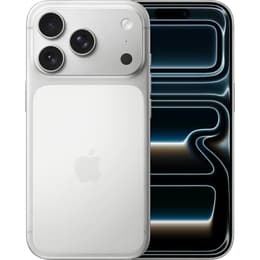
The Google Pixel 8, released in October 2023, is a compact Android smartphone known for its computational photography and extensive software support. In contrast, the iPhone 17 Pro, anticipated for release in late 2026, represents Apple's future flagship iOS device, expected to push boundaries in performance, camera technology, and display advancements. While the Pixel 8 runs on Google's Android operating system, the iPhone 17 Pro will operate on Apple's iOS, offering distinct user experiences and ecosystems.
Colour
Storage
When considering the longevity of these devices, their respective release timelines and software support policies are key differentiators.
Year of Release
Compatible with latest Update
OS
Foldable
The performance of a smartphone impacts everything from app loading to multitasking and gaming.
The display is a primary interface, and both devices offer high-quality viewing experiences with distinct characteristics.
Resolution
Screen type
Both smartphones prioritize advanced imaging capabilities, though they approach photography with different strengths.
Main camera
Front camera
Beyond core features, several practical elements contribute to the overall user experience and device utility.
Weight
Screen size (in)
Network
SIM card
Carrier compatibility
Connector
The Google Pixel 8 and the anticipated iPhone 17 Pro cater to different preferences within the premium smartphone market. Users frequently praise the Pixel 8 for its exceptional camera capabilities, particularly its computational photography and low-light performance, as well as its clean Android experience and the significant seven-year software update commitment. Some users have noted that the Pixel 8's battery life can be a concern for heavy usage and that the device can sometimes get warm.
For the iPhone 17 Pro, user sentiment, based on predictions, points towards excitement for its expected advancements in processing power, camera technology with higher optical zoom, and potential improvements in battery life and thermal management. Apple's ecosystem integration and consistent performance are also highly valued. However, the Pixel 8's extended software support sets a high bar for longevity.
Users prioritizing a compact Android experience with a focus on AI-driven photography and unparalleled software longevity may find the Google Pixel 8 well-suited to their needs. Conversely, individuals who prefer the iOS ecosystem and seek the absolute latest in raw performance, advanced camera hardware, and display technology, along with a robust design, might lean towards the expected capabilities of the iPhone 17 Pro. Both devices represent strong choices, and considering a quality-assured refurbished option for either model can be an eco-friendly alternative for making an informed decision.