

Galaxy S21 Ultra 5G Vs iPhone 16

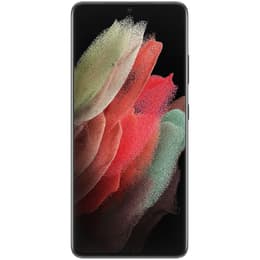
Galaxy S21 Ultra 5G
Galaxy S21 Ultra 5G
Starting at

Refurbished price:228.00

Versus €1,297.00 new

See options
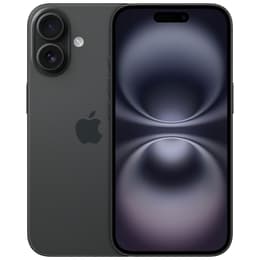
iPhone 16
iPhone 16
Starting at

Refurbished price:549.00

Versus €879.00 new

See options

Ratings

The Samsung Galaxy S21 Ultra 5G, released in January 2021, and the iPhone 16, launched in September 2024, represent different generations of flagship smartphones from their respective manufacturers. While both devices offer premium experiences, they are built on distinct operating systems and feature hardware advancements reflecting their release timelines. The Galaxy S21 Ultra 5G stands out with its versatile camera system and S Pen support, while the iPhone 16 introduces Apple's latest processor and enhanced camera capabilities.

Scores

Durability

When considering the long-term usability of these devices, their release dates play a significant role in software support and overall practical lifespan.

  • Release Timeline: The Samsung Galaxy S21 Ultra 5G was introduced in early 2021, running Android 11 at launch. The iPhone 16, released in late 2024, shipped with iOS 18. This three-year difference means the iPhone 16 benefits from a significantly longer period of guaranteed software updates and security patches from its manufacturer.
  • Software Longevity: The Galaxy S21 Ultra 5G has received updates up to Android 14, but its major OS update cycle is nearing its end. In contrast, the iPhone 16, being a much newer device, is expected to receive major iOS updates for several more years, ensuring access to the latest features and security enhancements for an extended period.
  • Repairability: The iPhone 16 features design improvements aimed at easier battery replacement, utilizing an adhesive that can be loosened with a low-voltage electrical current. This could contribute to a more straightforward repair process for a common component over time.

Year of Release

2021

2024

Compatible with latest Update

Yes

Yes

Foldable

No

No

Performance

The performance of a smartphone is crucial for daily tasks, from navigating apps to demanding multimedia editing and gaming.

  • Storage Options: Both devices offer a range of internal storage capacities to suit different user needs. The Galaxy S21 Ultra 5G was available with 128GB, 256GB, or 512GB of storage. The iPhone 16 also comes in 128GB, 256GB, and 512GB configurations.
  • Processor Capabilities: The iPhone 16 is equipped with a current-generation processor, which provides substantial improvements in speed and efficiency compared to the processor found in the Galaxy S21 Ultra 5G. This translates to faster app loading, smoother multitasking, and more responsive performance, particularly for graphically intensive applications and advanced AI features introduced with its operating system.
  • Multitasking and Responsiveness: The iPhone 16 includes 8GB of RAM across all models, which supports efficient multitasking and smooth transitions between applications. The Galaxy S21 Ultra 5G offered configurations with 12GB or 16GB of RAM, which was ample for its time, allowing for robust multitasking.
  • Battery Behavior: The Galaxy S21 Ultra 5G features a large 5000 mAh battery, which generally provides a full day of use for many users, even with its high-resolution, high refresh rate display. The iPhone 16, while having a slightly smaller battery capacity (3,561mAh for the standard model), benefits from a more power-efficient processor and software optimizations, leading to extended battery life compared to its predecessors.

Memory (GB)

12 GB

8 GB

Screen quality

The visual experience is a primary consideration for many users, and both devices offer high-quality displays with distinct characteristics.

  • Display Technology: The Samsung Galaxy S21 Ultra 5G features a Dynamic AMOLED 2X display, known for its vibrant colors, deep blacks, and excellent contrast. The iPhone 16 utilizes a Super Retina XDR OLED display, which also delivers rich colors and high contrast.
  • Resolution and Clarity: The Galaxy S21 Ultra 5G boasts a Quad HD+ resolution (3200 x 1440 pixels) on its 6.8-inch screen, resulting in a high pixel density of 515 pixels per inch (PPI). The standard iPhone 16 has a 6.1-inch display with a resolution of 2556 x 1179 pixels, offering a clarity of 460 PPI. The larger iPhone 16 Plus model features a 6.7-inch display with a resolution of 2796 x 1290 pixels, also at 460 PPI.
  • Brightness Levels: The Galaxy S21 Ultra 5G can reach a peak brightness of 1500 nits, providing good visibility in various lighting conditions. The iPhone 16 offers a typical maximum brightness of 1000 nits, a peak HDR brightness of 1600 nits, and can achieve up to 2000 nits peak brightness outdoors, enhancing readability in bright environments.
  • Refresh Rate: The Galaxy S21 Ultra 5G features an adaptive 120Hz refresh rate, which allows for smoother scrolling and more fluid animations. The standard iPhone 16 models maintain a 60Hz refresh rate, which is suitable for everyday use but does not offer the same level of visual fluidity as higher refresh rate displays.

Resolution

1440 x 3200

1179 x 2556

Screen type

Dynamic AMOLED 2X

Super Retina XDR OLED

Audiovisual

Both smartphones offer advanced camera systems designed to capture high-quality photos and videos, though with different approaches and capabilities.

  • Camera System Capabilities: The Galaxy S21 Ultra 5G features a quad-camera setup with a 108MP main sensor, a 12MP ultrawide lens, and two 10MP telephoto lenses (3x and 10x optical zoom), allowing for significant zoom flexibility. The iPhone 16 comes with an advanced dual-camera system, including an updated 48MP main camera and a 12MP ultrawide camera.
  • Photography Performance: The Galaxy S21 Ultra 5G's 108MP main sensor, combined with laser autofocus, delivers detailed images and improved focusing. Its ultrawide lens also supports macro photography. The iPhone 16's 48MP main camera is designed for high-resolution photos and benefits from advanced computational photography, including improved low-light performance and the introduction of macro photography to the standard models for the first time.
  • Video Recording Quality: The Galaxy S21 Ultra 5G is capable of recording 8K video at 24 frames per second and 4K video at 30 or 60 frames per second across all its cameras. The iPhone 16 supports 4K Dolby Vision video recording at various frame rates (24, 25, 30, or 60 fps) and offers spatial video recording capabilities.
  • Audio Experience: Both devices feature stereo speakers, providing an immersive audio experience for media consumption. The Galaxy S21 Ultra 5G also includes high AOP (Acoustic Overload Point) microphones designed to minimize distortion in noisy environments during recording.

Main camera

108 megapixels

48 megapixels

Front camera

40 megapixels

12 megapixels

Miscellaneous

Beyond core performance and display, several practical features contribute to the overall user experience and device utility.

  • Connectivity Options: Both the Galaxy S21 Ultra 5G and the iPhone 16 support 5G cellular connectivity for faster mobile data speeds. The Galaxy S21 Ultra 5G includes Wi-Fi 6E and Bluetooth 5.2, while the iPhone 16 also supports modern Wi-Fi standards and Bluetooth.
  • Port Types: The Galaxy S21 Ultra 5G features a USB-C 3.2 port for charging and data transfer. The iPhone 16 also uses a USB-C port, though data transfer speeds on the standard models are consistent with USB 2.0.
  • Useful Sensors: The Galaxy S21 Ultra 5G incorporates an in-display ultrasonic fingerprint sensor for biometric authentication. The iPhone 16 relies on Face ID for secure facial recognition.
  • Weight and Dimensions: The Galaxy S21 Ultra 5G measures 165.1 x 75.6 x 8.9 mm and weighs 228g or 229g, making it a substantial device. The standard iPhone 16 is more compact at 147.6 x 71.6 x 7.80 mm, with minor shifts in weight compared to its predecessor, offering a different handling experience.
  • Unique Features: A notable differentiator for the Galaxy S21 Ultra 5G is its support for the S Pen, bringing stylus functionality to the S series for the first time. The iPhone 16 introduces a new touch-sensitive Capture Button on all models, designed to mimic DSLR shutter buttons for enhanced camera control, including zoom functionality.

Weight

227 g

170 g

Screen size (in)

6.8

6.1

Network

5G

5G

SIM card

Physical SIM + eSIM

eSIM

Carrier compatibility

Unlocked

Unlocked

Connector

USB-C

USB-C (USB 2)

The Samsung Galaxy S21 Ultra 5G and the iPhone 16 cater to users with varying priorities, reflecting their distinct ecosystems and generational differences. Users often praise the Galaxy S21 Ultra 5G for its highly versatile camera system, particularly its extensive zoom capabilities and the inclusion of S Pen support, which appeals to those who value productivity and creative input. Some users have noted that while its battery life is generally good, heavy usage, especially with the high-resolution, high refresh rate display, can necessitate more frequent charging.

The iPhone 16, being a newer release, is frequently lauded for its significant performance upgrades, the integration of advanced AI features with iOS 18, and its enhanced camera processing. Users appreciate the extended software support and the introduction of features like the dedicated Capture Button for improved photography control. While its display offers excellent brightness and color accuracy, the standard models do not include a high refresh rate, which some users accustomed to smoother scrolling might notice.

Users prioritizing a highly flexible camera system with extensive optical zoom and stylus input may find the Galaxy S21 Ultra 5G well-suited to their needs. Conversely, those who value the latest processing power, long-term software support, and a streamlined user experience within the Apple ecosystem, along with advanced computational photography, will likely lean towards the iPhone 16. Both devices offer robust performance for their respective generations, and choosing between them often comes down to preference for operating system, specific camera features, and the importance of having the most current hardware. For those looking for a quality-assured refurbished option, both models can be found, offering a sustainable choice for acquiring premium technology.

See all articles

Our recent comparisons