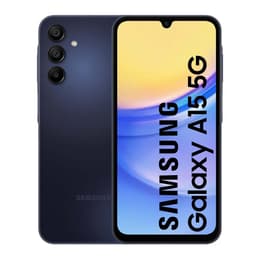



Compare models
Galaxy A15 5G Vs iPhone Air
- 1-year minimum warranty
- Free delivery on all orders
- Free 30-day returns
Differences at a glance
The Samsung Galaxy A15 5G (2023) and the Apple iPhone Air (2025) represent entirely different approaches to modern smartphone design, targeting distinct market segments and user priorities. While the Galaxy A15 5G focuses on providing reliable daily functionality within the Android ecosystem, the iPhone Air introduces an ultra-slim profile running iOS with a focus on advanced hardware and streamlined portability. These two devices differ significantly in release year, operating software, and engineering philosophy, making them suited for very different types of consumers.
Available Models
Colour
Storage
Scores
Durability
Both smartphones offer reliable longevity, though they approach software support and hardware durability from different timelines.
- Release timeline and support: The Galaxy A15 5G launched in late 2023 with a commitment to multi-year Android updates, whereas the iPhone Air arrived in late 2025 with extensive iOS support expected for many years.
- Build durability: The Galaxy A15 5G relies on a sturdy plastic frame and back, while the iPhone Air utilizes a titanium frame reinforced with advanced ceramic glass protection.
- Practical lifespan: Both devices maintain steady performance for daily tasks over time, though users seeking prolonged software updates will find extended backing from the newer Apple model.
Year of Release
2023
2025
Compatible with latest Update
Yes
Yes
OS
Android
iOS
Foldable
No
No
Performance
Processing power and multitasking behaviors vary notably due to hardware differences under the hood.
- Storage configurations: The Galaxy A15 5G provides expandable storage via microSD cards alongside standard internal capacities, while the iPhone Air offers fixed, high-capacity internal storage options.
- System responsiveness: The iPhone Air handles demanding applications, graphic-heavy gaming, and fast multitasking smoothly, whereas the Galaxy A15 5G manages everyday tasks like web browsing and messaging reliably with occasional loading pauses during heavy demands.
- Battery behavior: The Galaxy A15 5G includes a large battery capacity that comfortably sustains a full day of typical use, while the iPhone Air balances a slim physical profile with efficient power management for daily routines.
Screen quality
Visual output and display technologies deliver distinct media consumption experiences.
- Display technology: The Galaxy A15 5G features a vibrant Super AMOLED display with deep contrast, while the iPhone Air utilizes an advanced OLED panel equipped with a high refresh rate for smoother scrolling.
- Brightness and outdoor visibility: Both screens reach high peak brightness levels, ensuring content remains legible under direct sunlight.
- Motion smoothness: The iPhone Air supports a higher refresh rate for fluid animations across the interface, compared to the standard refresh rate found on the Samsung counterpart.
Resolution
1080 x 2340
2736x1260
Screen type
Super AMOLED
Super Retina XDR
Audiovisual
Multimedia capture and audio output capabilities reflect the distinct engineering goals of each device.
- Camera systems: The Galaxy A15 5G offers a versatile multi-lens rear setup for standard and wide shots, while the iPhone Air features a single high-resolution fusion camera optimized for detailed everyday photography.
- Video and low-light performance: The iPhone Air excels in low-light environments and steady video recording, whereas the Galaxy A15 5G performs adequately for casual snapshots and standard definition video clips.
- Audio output: Both models include built-in speakers suitable for hands-free calls and casual media streaming, with the Galaxy A15 5G retaining a traditional headphone jack for wired audio.
Main camera
50 megapixels
48 megapixels
Front camera
13 megapixels
18 megapixels
Miscellaneous
Physical dimensions and connectivity standards shape everyday handling and usability.
- Port and connectivity: The Galaxy A15 5G includes a physical headphone jack and USB-C connectivity, while the iPhone Air relies entirely on wireless audio and a standard USB-C port.
- Physical handling: The iPhone Air stands out for its exceptionally thin and lightweight titanium build, whereas the Galaxy A15 5G has a slightly thicker plastic construction that adds manageable weight.
- Security features: The Samsung model utilizes a side-mounted fingerprint sensor, while the Apple model relies on facial recognition technology.
Weight
200 g
165 g
Screen size (in)
6.5
6.5
Network
5G
5G
SIM card
Dual Physical SIM
eSIM
Carrier compatibility
Unlocked
Unlocked
What the community thinks
Users evaluating the Samsung Galaxy A15 5G and the iPhone Air will find that each device caters to separate preferences and ecosystems. Community discussions frequently highlight the Galaxy A15 5G for its practical inclusion of expandable storage, a headphone jack, and reliable everyday battery endurance at an accessible tier. Conversely, users often praise the iPhone Air for its groundbreaking lightweight chassis, fluid display responsiveness, and robust processing capabilities.
Users prioritizing lightweight portability, advanced display fluidity, and long-term ecosystem integration may prefer the iPhone Air, while users seeking expandable storage, a traditional headphone port, and everyday reliability within Android will lean toward the Galaxy A15 5G. For those exploring sustainable purchasing routes, a quality-assured refurbished option provides an eco-friendly alternative to buying brand new. Ultimately, the choice depends on which operating system and physical form factor align best with daily routines.










