

Galaxy S20 Vs Google Pixel 6A

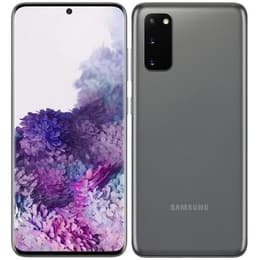
Galaxy S20
Galaxy S20
Starting at
€167.00
€909.00 new
See options
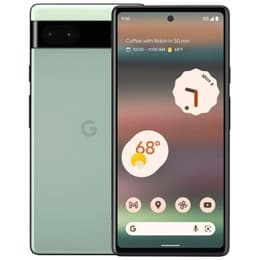
Google Pixel 6A
Google Pixel 6A
Starting at
€137.00
€399.00 new
See options

Ratings

The Samsung Galaxy S20, launched in March 2020, entered the market as a flagship device, offering premium specifications and a comprehensive camera system. The Google Pixel 6a, released in July 2022, is positioned as a mid-range smartphone that leverages Google's Tensor chip for smart features and a strong camera performance. Both devices operate on the Android platform, but they offer distinct experiences due to their different release timelines and design philosophies.

Scores

Durability

When considering the longevity and durability of these smartphones, their release dates and software support timelines are key factors.

  • Software Update Horizon: The Pixel 6a is set to receive Android OS updates until at least July 2025 and security updates until at least July 2027, offering a solid period of ongoing software support. The Galaxy S20, having launched earlier, received its last major Android OS update with Android 13, though Samsung extended software support for the S20 series in April 2024 for security updates.
  • Build and Repairability: The Galaxy S20 features a premium build with Corning Gorilla Glass 6 on both the front and back, paired with an aluminum frame, and carries an IP68 rating for dust and water resistance. The Pixel 6a utilizes Gorilla Glass 3 for its front display, an aluminum frame, and a plastic back, with an IP67 dust and water resistance rating. The Pixel 6a has been noted for a relatively good repairability score of 7 out of 10, with easier battery and display removal compared to some other devices.
  • Expected Practical Lifespan: Given its newer release and longer promised software support, the Pixel 6a generally offers a longer practical lifespan in terms of receiving the latest Android features and security patches. The Galaxy S20, while still functional, is approaching the end of its major OS update cycle.

Year of Release

2020

2022

Compatible with latest Update

No

Yes

OS

Android

Android

Foldable

No

No

Performance

Performance considerations for the Galaxy S20 and Pixel 6a highlight their underlying processing power and memory configurations.

  • Processing Capabilities: The Galaxy S20 is powered by either the Exynos 990 or Snapdragon 865 processor, depending on the region. These chips delivered flagship-level performance at their release, adept at handling demanding applications and multitasking. The Pixel 6a features Google's Tensor chip, which provides a responsive experience for everyday tasks, image processing, and AI-driven features.
  • RAM and Storage: The Galaxy S20 typically offers 8GB or 12GB of RAM with 128GB of internal storage and includes a microSD card slot for expandable storage. The Pixel 6a comes with 6GB of RAM and 128GB of internal storage, without an option for expandable storage.
  • Battery Performance: The Galaxy S20 has a 4000 mAh battery, which some users found sufficient for a full day of moderate use, though utilizing the 120Hz display refresh rate can lead to faster battery drain. The Pixel 6a is equipped with a 4410 mAh battery, generally providing a full day of use, with some reports indicating it can last longer with its Extreme Battery Saver mode.

Memory

8 GB

6 GB

Screen quality

The visual experience on both devices is shaped by their respective display technologies and specifications.

  • Display Technology and Resolution: The Galaxy S20 boasts a 6.2-inch Dynamic AMOLED 2X display with a high 1440 x 3200 pixel resolution, offering sharp details and vibrant colors. The Pixel 6a features a 6.1-inch OLED display with a 1080 x 2400 pixel resolution.
  • Refresh Rate and Smoothness: A notable difference is the refresh rate; the Galaxy S20 supports a 120Hz refresh rate (at FHD+ resolution), providing a smoother scrolling and gaming experience. The Pixel 6a has a standard 60Hz refresh rate, which offers a consistent viewing experience for most content.
  • Brightness and Clarity: Both phones offer ample brightness for indoor use, with the Galaxy S20 having a peak brightness of 1200 nits and the Pixel 6a reaching up to 876 nits in adaptive mode, ensuring good visibility in various lighting conditions.

Resolution

1440 x 3200

1080 x 2400

Screen type

Dynamic AMOLED 2X

OLED

Audiovisual

Both smartphones offer capable camera systems, each with distinct strengths for photography and videography.

  • Rear Camera Systems: The Galaxy S20 features a versatile triple-camera setup including a 12MP wide lens, a 64MP telephoto lens with 3x optical zoom, and a 12MP ultrawide lens, capable of recording 8K video. The Pixel 6a comes with a dual-camera system, comprising a 12.2MP wide lens and a 12MP ultrawide lens, utilizing Google's computational photography for strong image processing and 4K video recording.
  • Photography Performance: The Galaxy S20 provides a wide range of focal lengths and zoom capabilities, offering detailed shots across various scenarios. The Pixel 6a, despite using older sensor hardware, delivers consistently good photos with excellent color, exposure, and dynamic range, particularly excelling in everyday photography and low-light conditions thanks to its software optimizations.
  • Video Recording and Audio: The Galaxy S20's ability to record in 8K offers high-resolution video capture. The Pixel 6a records 4K video, delivering good quality for its segment. Both phones provide stereo speakers for media consumption, and their microphones generally offer clear audio for calls and recordings.

Main camera

12 megapixels

12.2 megapixels

Front camera

10 megapixels

8 megapixels

Miscellaneous

Beyond core features, several practical elements differentiate the Galaxy S20 and Pixel 6a for daily use.

  • Connectivity and Ports: Both devices support 5G connectivity, along with modern Wi-Fi and Bluetooth standards. The Galaxy S20 features USB-C 3.2, while the Pixel 6a uses USB-C 3.1. Neither phone includes a traditional 3.5mm headphone jack.
  • Security and Biometrics: Both smartphones incorporate in-display fingerprint sensors for secure unlocking. The Galaxy S20 also supports face recognition. The Pixel 6a's under-display optical fingerprint sensor has been refined through software updates.
  • Physical Design and Handling: The Galaxy S20 is slightly lighter at 163g and has a slimmer profile at 7.9mm thick. The Pixel 6a weighs 178g and measures 8.9mm in thickness, offering a compact form factor that is comfortable for single-handed use.

Weight

163 g

178 g

Width

6,91 cm

71,8 cm

Height

15,17 cm

152,2 cm

Depth

0,79 cm

8,9 cm

Screen size (in)

6.2

6.1

Network

4G

5G

SIM card

Dual Physical SIM

Physical SIM + eSIM

Carrier compatibility

Unlocked

Unlocked

Choosing between the Samsung Galaxy S20 and the Google Pixel 6a depends heavily on individual priorities, given their respective strengths and market positions. Users frequently praise the Galaxy S20 for its vibrant, high-resolution 120Hz display and versatile camera system, including a telephoto lens, which were flagship features at its launch. Some users noted that the battery life could be impacted by consistently using the high refresh rate.

The Google Pixel 6a consistently receives acclaim for its powerful Google Tensor chip, offering smooth performance and access to Google's advanced computational photography features. Users appreciate its ability to deliver excellent photos, a clean Android experience, and its compact size. Criticisms often point to its 60Hz display and slower charging speeds compared to some alternatives. Some early reports of fingerprint sensor issues were addressed with software updates, and a potential battery overheating risk was noted for some devices in July 2025, which would trigger a mandatory software update.

For users who prioritize a high refresh rate display, expandable storage, and a more extensive camera zoom system, the Galaxy S20 remains a compelling option. For those who value a clean, up-to-date Android experience with guaranteed long-term software support, strong computational photography, and a compact design, the Pixel 6a is an excellent choice. Both devices, available as quality-assured refurbished options, offer an eco-friendly alternative for consumers looking to make an informed and sustainable purchasing decision.