

Galaxy S10e Vs iPhone 11 Pro

Galaxy S10e
Galaxy S10e
Starting at

Refurbished price:121.00

Versus €759.00 new

See options
iPhone 11 Pro
iPhone 11 Pro
Starting at

Refurbished price:176.00

Versus €809.00 new

See options

Ratings

The Samsung Galaxy S10e, released in March 2019, and the Apple iPhone 11 Pro, launched in September 2019, represent two distinct approaches to premium smartphone design from the same year. While both devices offer compact form factors and high-end features, they differ significantly in their operating systems and core camera philosophies. The Galaxy S10e runs on Android, offering a more open ecosystem, while the iPhone 11 Pro operates on Apple's iOS, known for its integrated experience.

Scores

Durability

When considering the long-term usability of these devices, their release timelines and software support are key factors. Both phones were launched in 2019, placing them in a similar generation of technology.

  • Software Longevity: The iPhone 11 Pro, running iOS, typically receives major software updates for a longer duration, often 5-6 years from its release. This means it is likely to continue receiving updates for a year or two longer than the Galaxy S10e, which, as an Android device, generally receives about 3 major OS updates.
  • Physical Durability: Both devices feature glass backs and fronts, with the Galaxy S10e utilizing Gorilla Glass 5 and an aluminum frame, while the iPhone 11 Pro uses custom glass and a more robust stainless steel frame. Both are rated IP68 for water and dust resistance, indicating a similar level of protection against environmental elements.
  • Practical Lifespan: Users can expect both devices to remain functional for several years. However, the iPhone 11 Pro's extended software support may offer a slightly longer period of access to the latest features and security updates, which can be a deciding factor for users who keep their devices for many years.

Year of Release

2019

2019

Compatible with latest Update

No

Yes

OS

Android

iOS

Foldable

No

No

Performance

The performance of the Galaxy S10e and iPhone 11 Pro is driven by their respective internal components, impacting how smoothly they handle daily tasks and demanding applications.

  • Everyday Responsiveness: The iPhone 11 Pro features a powerful processor that ensures smooth navigation, quick app launches, and efficient multitasking. The Galaxy S10e also provides a responsive experience for general use, handling common applications and web browsing without noticeable delays.
  • Demanding Tasks: For more intensive activities like graphic-heavy gaming or video editing, the iPhone 11 Pro's processor offers a higher level of sustained performance, allowing for smoother gameplay and faster processing times. The Galaxy S10e is capable of running most demanding applications, though it might show some limitations during extended heavy use compared to its counterpart.
  • Storage and Multitasking: The iPhone 11 Pro offers storage options up to 512GB, providing ample space for extensive media libraries and applications, though its RAM is 4GB. The Galaxy S10e comes with 6GB or 8GB of RAM and up to 256GB of internal storage, with the added flexibility of expandable storage via a microSD card, which can be beneficial for users who require more space for files and media.
  • Battery Behavior: The iPhone 11 Pro is equipped with a 3046 mAh battery, designed to provide a full day of use for many users. The Galaxy S10e has a slightly larger 3100 mAh battery, and its battery life in real-world usage is generally considered sufficient for a day's activities, though heavy usage may require more frequent charging.

Memory (GB)

6 GB

4 GB

Screen quality

Both devices offer high-quality displays, but they utilize different technologies and specifications that influence the visual experience.

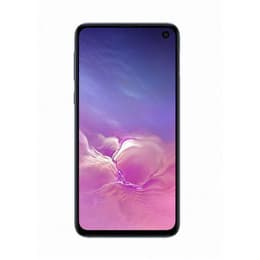
  • Display Technology and Clarity: The iPhone 11 Pro features a 5.8-inch Super Retina XDR OLED display, known for its deep blacks, high contrast ratio, and vibrant color reproduction. The Galaxy S10e sports a 5.8-inch Dynamic AMOLED display, which also delivers excellent colors and contrast, providing a rich viewing experience. Both displays offer sharp visuals suitable for detailed content.
  • Brightness and Outdoor Visibility: The iPhone 11 Pro's display can reach up to 800 nits typical brightness and 1200 nits peak brightness for HDR content, making it highly visible even in bright outdoor conditions. The Galaxy S10e offers a maximum manual brightness of around 603 nits, which is still good for outdoor use but may not be as bright as the iPhone 11 Pro in direct sunlight.
  • Refresh Rate and Smoothness: Both the Galaxy S10e and the iPhone 11 Pro feature standard 60Hz refresh rate displays. This provides a smooth experience for most everyday interactions, though neither offers the ultra-smooth scrolling found on devices with higher refresh rates.
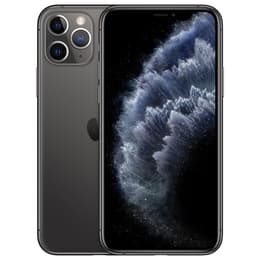
  • Screen Design: The Galaxy S10e features an 'Infinity-O' display with a punch-hole cutout for the front camera, maximizing screen real estate. The iPhone 11 Pro retains a notch at the top of its display, housing its front camera and Face ID sensors.

Resolution

1080 x 2280

1125 x 2436

Screen type

Dynamic AMOLED

Super Retina XDR OLED

Audiovisual

The camera systems on the Galaxy S10e and iPhone 11 Pro are designed to capture high-quality images and videos, each with its own strengths and capabilities.

  • Rear Camera Systems: The iPhone 11 Pro boasts a versatile triple-camera setup, including a 12 MP wide, a 12 MP ultrawide, and a 12 MP telephoto lens with 2x optical zoom. This configuration provides flexibility for various shooting scenarios, from expansive landscapes to detailed close-ups. The Galaxy S10e features a dual-camera system with a 12 MP wide-angle lens and a 16 MP ultrawide lens, offering a broad field of view for group shots and scenery.
  • Photography Performance: The iPhone 11 Pro excels in low-light conditions with its dedicated Night mode, producing bright and detailed images. Its image processing also delivers consistent and natural-looking photos. The Galaxy S10e captures good daylight photos with vibrant colors, and its ultrawide lens is a strong feature.
  • Video Recording: Both devices are capable of recording 4K video at up to 60 frames per second, offering high-resolution footage. The iPhone 11 Pro also supports slow-motion video at up to 240fps. The Galaxy S10e supports HDR10+ video recording, which can provide enhanced dynamic range in compatible playback environments.
  • Front Camera and Audio: The iPhone 11 Pro features a 12 MP front camera, capable of detailed selfies and 4K video recording. The Galaxy S10e has a 10 MP front camera that also delivers good quality selfies. Both phones offer good microphone quality for calls and video recording, and their stereo speakers provide a decent audio experience for media consumption.

Main camera

12 megapixels

12 megapixels

Front camera

10 megapixels

12 megapixels

Miscellaneous

Beyond the core features, several practical elements differentiate the user experience of the Galaxy S10e and iPhone 11 Pro.

  • Connectivity and Ports: Both devices support Wi-Fi 6 and Bluetooth 5.0 for fast wireless connections. The Galaxy S10e features a USB-C port for charging and data transfer, along with a traditional 3.5mm headphone jack, offering broader compatibility with accessories. The iPhone 11 Pro uses Apple's proprietary Lightning port and does not include a headphone jack, requiring adapters for wired audio.
  • Biometric Security: The iPhone 11 Pro relies on Face ID for secure facial recognition, which is generally considered highly secure and convenient. The Galaxy S10e offers a side-mounted fingerprint sensor integrated into the power button, providing a quick and reliable unlocking method, alongside 2D face unlock.
  • Design and Handling: The Galaxy S10e is slightly lighter at 150g and has slightly smaller dimensions, making it a very compact and easy-to-handle device. The iPhone 11 Pro is heavier at 188g and has a stainless steel frame, contributing to a more substantial in-hand feel. Both phones offer a premium build quality.
  • Additional Features: The Galaxy S10e includes Wireless PowerShare, allowing it to wirelessly charge other compatible devices. The iPhone 11 Pro features an Ultra Wideband chip for spatial awareness.

Weight

150 g

188 g

Screen size (in)

5.8

5.8

Network

4G

4G

SIM card

Physical SIM

Physical SIM + eSIM

Carrier compatibility

Unlocked

Unlocked

Connector

USB-C + Jack 3.5mm

Lightning

The Samsung Galaxy S10e and iPhone 11 Pro, both released in 2019, continue to offer compelling features for users seeking a compact yet capable smartphone. User feedback often praises the Galaxy S10e for its vibrant display, versatile ultrawide camera, and the convenience of a headphone jack and expandable storage. Some users appreciate its lighter weight and more ergonomic design for one-handed use. Criticisms sometimes point to its shorter software update cycle compared to Apple devices.

The iPhone 11 Pro is frequently lauded for its exceptional camera system, particularly its low-light performance and consistent image quality. Users also highlight its powerful processor, ensuring smooth performance for years, and the extended software support from Apple. Some common feedback mentions its heavier build and the reliance on the Lightning port. Both devices are recognized for their premium build quality and overall user experience within their respective ecosystems.

Users prioritizing a longer software support lifespan and a highly optimized camera system, especially for low-light photography, may find the iPhone 11 Pro well-suited to their needs. Conversely, users who value the flexibility of expandable storage, a traditional headphone jack, and the Android ecosystem's customization options might lean towards the Galaxy S10e. For those looking for an eco-friendly and quality-assured alternative, considering a refurbished version of either model can be a sustainable choice.


See all articles

Our recent comparisons





