
iPhone

Compare models
Differences at a glance
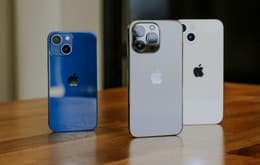
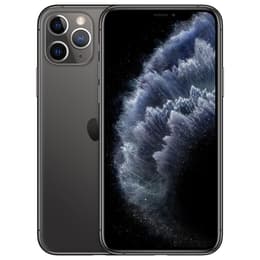
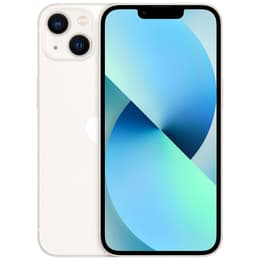
The iPhone 11 Pro, released in September 2019, and the iPhone 13, launched in September 2021, represent different generations of Apple's smartphone lineup. While both devices offer a premium experience, the iPhone 13 introduces advancements in processing power, camera capabilities, and display technology. Both models operate on Apple's iOS ecosystem, ensuring a consistent software experience, though the iPhone 13 benefits from a longer period of future software support.
Colour
Storage (GB)
When considering the practical lifespan of these devices, their release timelines and ongoing software support are key factors. The iPhone 11 Pro was introduced in 2019, while the iPhone 13 followed two years later in 2021. This difference in release date directly impacts how long each device will continue to receive major iOS updates.
Year of Release
Compatible with latest Update
OS
Foldable
The performance of a smartphone is largely determined by its internal processing unit and how efficiently it handles various tasks. The iPhone 11 Pro and iPhone 13 feature different generations of Apple's custom-designed processors, leading to distinct real-world performance characteristics.
The visual experience on a smartphone is heavily influenced by its display technology, resolution, and brightness. Both the iPhone 11 Pro and iPhone 13 feature high-quality OLED displays, but there are differences in their specifications and overall viewing experience.
Resolution
Screen type
The camera systems on the iPhone 11 Pro and iPhone 13 offer distinct capabilities, catering to different photographic preferences and needs. Both excel in capturing high-quality images and videos, but with varying features and enhancements.
Main camera
Front camera
Beyond core performance and display, several practical elements contribute to the overall user experience of these smartphones, including connectivity, physical design, and additional features.
Weight
Width
Height
Depth
Screen size (in)
Network
SIM card
Carrier compatibility
Connector
The iPhone 11 Pro and iPhone 13 both offer robust smartphone experiences, but cater to slightly different user priorities. Users frequently praise the iPhone 11 Pro for its durable build and the versatility of its triple-camera system, particularly the dedicated telephoto lens, which is a notable advantage for those who frequently zoom in on subjects. Some users, however, have noted its battery life can be less enduring compared to newer models.
The iPhone 13 is often lauded for its significantly improved battery life, enhanced processing power for smoother daily operation and gaming, and its advanced camera features like Cinematic mode and sensor-shift stabilization, which elevate video and low-light photography. A common point of discussion for some users is the absence of a telephoto lens, which was present in the 11 Pro. The iPhone 13 also benefits from a longer period of software support, ensuring access to the latest features and security updates for more years.
Users prioritizing a more compact device with a dedicated telephoto camera and a premium stainless steel finish may find the iPhone 11 Pro well-suited to their needs. Conversely, those who value extended battery life, a larger display, superior overall performance, advanced video capabilities, and a longer software update cycle will likely lean towards the iPhone 13. Both devices remain capable choices, and opting for a quality-assured refurbished option can be an eco-friendly alternative for either model, allowing users to make an informed and sustainable choice.