

Galaxy S10e Vs iPhone 13

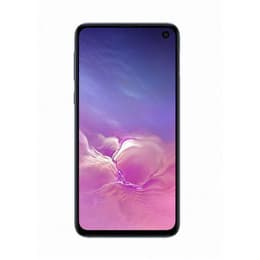
Galaxy S10e
Galaxy S10e
Starting at

Refurbished price:121.00

Versus €759.00 new

See options
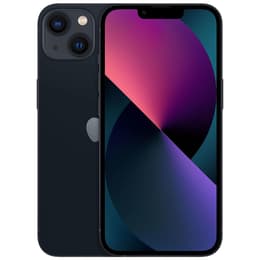
iPhone 13
iPhone 13
Starting at

Refurbished price:247.00

Versus €769.00 new

See options

Ratings

The Samsung Galaxy S10e, released in March 2019, and the Apple iPhone 13, launched in September 2021, represent two distinct approaches to flagship smartphone design from different generations. While both offer premium experiences, the Galaxy S10e emphasizes a compact form factor and the Android operating system, whereas the iPhone 13 provides a more recent hardware platform and the iOS ecosystem. Key differentiators include their release timelines, software support longevity, and core processing capabilities.

Scores

Durability

The practical lifespan of a smartphone is significantly influenced by its release date and subsequent software support.

  • Release Timeline: The Galaxy S10e, launched in March 2019, is an older device compared to the iPhone 13, which arrived in September 2021. This two-and-a-half-year difference impacts their respective software support cycles.
  • Software Longevity: The Galaxy S10e received major Android operating system updates up to Android 12 (One UI 4) and concluded its security updates in 2023. In contrast, the iPhone 13, shipping with iOS 15, is expected to continue receiving major iOS updates until approximately 2028, with security updates potentially extending beyond that. This means the iPhone 13 offers a considerably longer period of official software and security support.
  • Repairability: The Galaxy S10e received an iFixit repairability score of 3 out of 10, indicating challenges due to extensive adhesive use and a soldered charging port. The iPhone 13 initially scored 5 out of 10, later improving to 6 out of 10 with a software update addressing Face ID issues after screen replacement, though repairs can still be complex due to software-hardware integration and varied screw types.

Year of Release

2019

2021

Compatible with latest Update

No

Yes

OS

Android

iOS

Foldable

No

No

Performance

Performance is a critical aspect for daily smartphone use, encompassing everything from app responsiveness to multitasking efficiency and battery endurance.

  • Processing Power: The iPhone 13 features a significantly newer and more efficient processor, allowing it to handle demanding applications, complex games, and intensive multitasking with greater fluidity and speed. The Galaxy S10e, while capable for its time, relies on an older generation processor that may show limitations with the most current and resource-intensive tasks.
  • Battery Behavior: The iPhone 13 generally offers a more robust battery experience, with many users reporting it comfortably lasts a full day or more under typical usage conditions. The Galaxy S10e's battery life is often described as adequate for moderate use but may require a midday charge for heavy users.
  • Storage and Responsiveness: Both devices offer various storage configurations, with the iPhone 13 starting at 128GB and going up to 512GB, while the Galaxy S10e offers 128GB or 256GB options. The iPhone 13's newer hardware and optimized software contribute to a consistently responsive user experience, with faster app loading times and smoother transitions.

Memory (GB)

6 GB

4 GB

Screen quality

The display is the primary interface for smartphone interaction, and both devices offer distinct visual experiences.

  • Display Technology and Clarity: Both the Galaxy S10e and iPhone 13 feature vibrant OLED displays, known for deep blacks and high contrast. The Galaxy S10e has a 5.8-inch Dynamic AMOLED display with a 2280 x 1080 pixel resolution. The iPhone 13 sports a slightly larger 6.1-inch Super Retina XDR OLED display with a higher resolution of 2532 x 1170 pixels.
  • Brightness and Outdoor Visibility: The iPhone 13's display offers improved brightness levels, which can enhance visibility in bright outdoor conditions. The Galaxy S10e also provides good brightness, reaching up to 603 nits in manual mode.
  • Refresh Rate and Viewing Experience: Both devices feature a standard 60Hz refresh rate, providing a smooth but not exceptionally fluid scrolling experience. The Galaxy S10e features a flat display, which some users prefer over curved edges, contributing to a comfortable grip.

Resolution

1080 x 2280

1170 x 2532

Screen type

Dynamic AMOLED

Super Retina XDR OLED

Audiovisual

Camera capabilities are a significant factor for many users, and both phones offer versatile systems for capturing photos and videos.

  • Rear Camera Systems: The Galaxy S10e is equipped with a dual-camera setup on the rear, featuring a 12-megapixel main sensor with a variable aperture and a 16-megapixel ultrawide lens. The iPhone 13 also has a dual-camera system, consisting of a 12-megapixel main sensor and a 12-megapixel ultrawide sensor.
  • Photography Performance: The iPhone 13 generally excels in low-light photography and offers advanced computational photography features, including Cinematic Mode for video, which provides a shallow depth of field. The Galaxy S10e's cameras were well-regarded at its release, offering good image quality for everyday situations, though some users noted the absence of a telephoto lens.
  • Video and Audio: Both devices are capable of recording high-quality video. The iPhone 13 offers enhanced video recording features and improved image stabilization. For audio, the Galaxy S10e includes AKG-tuned stereo speakers with Dolby Atmos.

Main camera

12 megapixels

12 megapixels

Front camera

10 megapixels

12 megapixels

Miscellaneous

Beyond core features, several practical elements contribute to the overall user experience and device utility.

  • Connectivity and Ports: The Galaxy S10e includes a 3.5mm headphone jack, a feature absent on the iPhone 13. Both devices support modern wireless connectivity standards, including Wi-Fi and Bluetooth. The Galaxy S10e uses a USB-C port for charging and data transfer, while the iPhone 13 utilizes Apple's proprietary Lightning port.
  • Biometric Security: The Galaxy S10e features a side-mounted fingerprint sensor integrated into the power button for secure unlocking. The iPhone 13 relies on Face ID, Apple's facial recognition system, for biometric authentication.
  • Design and Handling: The Galaxy S10e is known for its compact and lightweight design, measuring 142.2 x 69.9 x 7.9 mm and weighing 150g, making it comfortable for one-handed use. The iPhone 13 is slightly larger and heavier at 146.7 x 71.5 x 7.7 mm and 174g. Both devices feature a premium build with glass backs and aluminum frames, and both offer IP68 water and dust resistance.

Weight

150 g

173 g

Screen size (in)

5.8

6.1

Network

4G

5G

SIM card

Physical SIM

Physical SIM + eSIM

Carrier compatibility

Unlocked

Unlocked

Connector

USB-C + Jack 3.5mm

Lightning

The Samsung Galaxy S10e and iPhone 13 cater to different user preferences, largely due to their release dates and operating systems. Users often praise the Galaxy S10e for its compact size, the inclusion of a headphone jack, and its flat display. However, common criticisms revolve around its battery life for heavy users and its shorter software support cycle, which has now ended for major OS updates and security patches.

The iPhone 13, on the other hand, is frequently lauded for its significantly improved battery life, powerful processing capabilities, and advanced camera system, particularly in low-light conditions. Some users express a desire for Touch ID and a USB-C port instead of Lightning.

Users prioritizing a highly compact device with a traditional headphone jack and the Android ecosystem may find the Galaxy S10e appealing, especially if they are comfortable with an older software experience. Conversely, users who value extended software support, superior processing power for demanding tasks, and advanced camera features will likely find the iPhone 13 better suited to their needs. Opting for a quality-assured refurbished option for either device can be an eco-friendly alternative for consumers seeking to make informed, sustainable choices.


See all articles

Our recent comparisons