

Galaxy S10e Vs iPhone 12

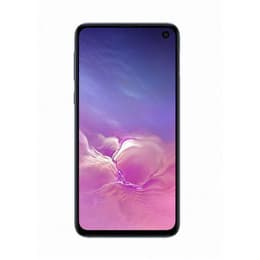
Galaxy S10e
Galaxy S10e
Starting at

Refurbished price:121.00

Versus €759.00 new

See options
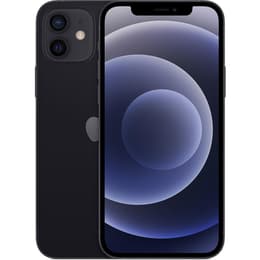
iPhone 12
iPhone 12
Starting at

Refurbished price:174.00

Versus €829.00 new

See options

Ratings

The Samsung Galaxy S10e, released in March 2019, and the Apple iPhone 12, launched in October 2020, represent distinct approaches to smartphone design and functionality from their respective manufacturers. While the Galaxy S10e offers a compact Android experience with a traditional headphone jack, the iPhone 12 provides a more recent iOS platform with a focus on enhanced performance and camera capabilities. These devices operate on different ecosystems, Android and iOS, influencing their user interfaces and app availability.

Scores

Durability

When considering the long-term usability of these devices, several factors come into play, including software support, physical durability, and ease of repair.

  • Software Longevity: The Samsung Galaxy S10e received major Android operating system updates up to Android 12, with security updates largely concluding for the original S10 models around early 2023. In contrast, the iPhone 12, released later, is expected to receive major iOS updates for a longer duration, potentially until 2027 or 2028, with security updates extending even further. This means the iPhone 12 offers a longer period of access to new features and security enhancements.
  • Physical Durability: Both devices feature IP68 ratings for dust and water resistance, indicating protection against immersion in water. The iPhone 12 introduced a Ceramic Shield front cover, designed to offer improved drop performance. User reports for the iPhone 12, however, have noted that while it is more resistant to drops, the screen can be prone to scratches.
  • Repairability: The Galaxy S10e generally received a lower repairability score from experts, often cited around 3 out of 10, primarily due to the extensive use of adhesive and components like the charging port being soldered to the motherboard, making repairs challenging. The iPhone 12 received a slightly higher repairability score of 6 out of 10, with many components being modular. However, Apple's repair policies can complicate independent repairs, as certain component replacements may require proprietary software configuration to function fully.

Year of Release

2019

2020

Compatible with latest Update

No

Yes

OS

Android

iOS

Foldable

No

No

Performance

The performance of a smartphone is crucial for daily tasks, app usage, and multitasking, with both devices offering capable experiences for their respective generations.

  • System Responsiveness: The iPhone 12, with its newer generation processor, delivers a highly responsive user experience, handling demanding applications and multitasking smoothly. Users generally report fluid navigation and quick app loading times. The Galaxy S10e, while still capable for everyday use, may exhibit slower performance in comparison, particularly with newer, more resource-intensive applications.
  • Battery Behavior: The Galaxy S10e is equipped with a 3100 mAh battery, while the iPhone 12 has a 2815 mAh battery. Despite the S10e's larger capacity, some users reported concerns about its battery life, especially for heavy usage, sometimes requiring more frequent charging. The iPhone 12's battery life is generally considered sufficient for a full day of moderate use, though some users noted high standby battery drain and reduced longevity when consistently using 5G connectivity.
  • Storage and Multitasking: The Galaxy S10e typically offers 6GB or 8GB of RAM and storage options of 128GB or 256GB. The iPhone 12 comes with 4GB of RAM and storage options of 64GB, 128GB, or 256GB. While the S10e has more RAM on paper, the optimized software of the iPhone 12 allows it to manage multitasking efficiently with its 4GB of RAM.

Memory (GB)

6 GB

4 GB

Screen quality

The display is a primary interface for smartphone interaction, and both the Galaxy S10e and iPhone 12 offer distinct visual experiences.

  • Display Technology and Clarity: The Galaxy S10e features a 5.8-inch Dynamic AMOLED display with a resolution of 2280 x 1080 pixels, providing vibrant colors and deep blacks. The iPhone 12 sports a 6.1-inch Super Retina XDR OLED display with a higher resolution of 2532 x 1170 pixels, also offering excellent contrast and color accuracy. Both technologies deliver clear and sharp visuals for typical viewing.
  • Brightness and Refresh Rate: Both devices feature a standard 60Hz refresh rate, which provides a smooth experience for most users, though not as fluid as higher refresh rate displays found in newer models. The brightness levels on both phones are suitable for outdoor visibility, with the iPhone 12's OLED panel generally offering strong peak brightness.
  • Screen Size and Viewing Experience: The Galaxy S10e's 5.8-inch screen offers a more compact form factor, making it easier for one-handed use. The iPhone 12's slightly larger 6.1-inch display provides a more expansive viewing area for media consumption and browsing.

Resolution

1080 x 2280

1170 x 2532

Screen type

Dynamic AMOLED

Super Retina XDR OLED

Audiovisual

Camera performance is a significant consideration for many users, and both the Galaxy S10e and iPhone 12 offer capable camera systems for capturing moments.

  • Rear Camera System: The Galaxy S10e features a dual-camera setup with a 12-megapixel wide-angle lens and a 16-megapixel ultra-wide-angle lens. The iPhone 12 also has a dual-camera system, consisting of two 12-megapixel lenses for wide and ultra-wide shots. Both phones are capable of producing detailed photos in good lighting conditions.
  • Low-Light and Everyday Photography: The iPhone 12 generally excels in low-light photography, with its Night mode available across all cameras, including the front-facing one, producing bright and detailed images. The Galaxy S10e's low-light performance is considered adequate, with a dedicated Night mode improving results, but it may not match the iPhone 12's capabilities in very dim environments.
  • Video Recording and Audio: Both devices offer strong video recording capabilities, with the iPhone 12 supporting Dolby Vision HDR video recording, providing enhanced dynamic range. The Galaxy S10e can record 4K video at 60fps. Both phones provide good microphone quality for calls and recordings, and stereo speakers for media consumption. The Galaxy S10e also features AKG-tuned stereo speakers with Dolby Atmos.

Main camera

12 megapixels

12 megapixels

Front camera

10 megapixels

12 megapixels

Miscellaneous

Beyond core features, several practical elements contribute to the overall user experience and daily convenience of these smartphones.

  • Connectivity and Ports: The iPhone 12 supports 5G connectivity, offering faster cellular data speeds where available, a feature not present on the Galaxy S10e. Both devices support modern Wi-Fi standards and Bluetooth for wireless connections. The Galaxy S10e includes a traditional 3.5mm headphone jack and a USB-C port, offering broader compatibility with existing accessories. The iPhone 12 uses a Lightning port for charging and data transfer.
  • Biometric Security: The Galaxy S10e features a side-mounted capacitive fingerprint sensor integrated into the power button, which is generally fast and reliable. The iPhone 12 relies on Face ID for biometric authentication, using facial recognition technology.
  • Design and Handling: The Galaxy S10e is known for its compact dimensions (142.2 x 69.9 x 7.9 mm) and lighter weight (150g), making it comfortable for one-handed use. The iPhone 12 is slightly larger (146.7 x 71.5 x 7.4 mm) and heavier (164g), featuring a flat-edged design. Both devices utilize glass and aluminum in their construction, contributing to a premium feel.

Weight

150 g

164 g

Screen size (in)

5.8

6.1

Network

4G

5G

SIM card

Physical SIM

Physical SIM + eSIM

Carrier compatibility

Unlocked

Unlocked

Connector

USB-C + Jack 3.5mm

Lightning

The Samsung Galaxy S10e and iPhone 12 cater to different user preferences, reflecting their respective ecosystems and release timelines. Users often praise the Galaxy S10e for its compact size, the inclusion of a headphone jack, and its vibrant AMOLED display. However, common criticisms include its battery life for heavy users and the shorter software update lifespan compared to newer devices.

The iPhone 12 is frequently lauded for its robust performance, excellent camera system, particularly in low light, and its extended software support from Apple. Some users have noted concerns regarding battery drain, especially with consistent 5G usage, and the screen's susceptibility to scratches despite the Ceramic Shield.

For users prioritizing a compact Android device with a traditional headphone jack and a capable camera for everyday use, the Galaxy S10e remains a viable option. Those who value a longer software support window, superior low-light photography, and the iOS ecosystem will find the iPhone 12 more aligned with their needs. Both devices offer distinct advantages, and choosing between them depends on individual priorities for operating system, size, and specific features. Opting for a quality-assured refurbished option for either model can be an eco-friendly alternative, providing access to these devices while extending their lifecycle.


See all articles

Our recent comparisons