

Galaxy S10e Vs iPhone 11

Galaxy S10e
Galaxy S10e
Starting at

Refurbished price:121.00

Versus €759.00 new

See options
iPhone 11
iPhone 11
Starting at

Refurbished price:149.00

Versus €589.00 new

See options

Ratings

The Samsung Galaxy S10e, released in March 2019, and the Apple iPhone 11, launched in September 2019, represent two distinct approaches to flagship smartphones from their respective manufacturers. While both devices offer capable performance and camera systems, they differ significantly in their operating systems, display technologies, and overall user experience. The Galaxy S10e runs on Android, offering a more customizable interface, while the iPhone 11 operates on Apple's iOS, known for its streamlined ecosystem.

Scores

Durability

The longevity of a smartphone is influenced by its release timeline, software support, and repairability.

  • Release Timeline and Software Support: The Galaxy S10e, released in March 2019, received its last major Android operating system update with Android 12 in December 2021, marking its end of life for new OS versions. In contrast, the iPhone 11, released in September 2019, continues to receive significant iOS updates, supporting iOS 26 as of March 2026. This means the iPhone 11 offers a considerably longer period of software support, providing access to newer features and security enhancements for an extended duration.
  • Repairability: The Galaxy S10e received a repairability score of 3 out of 10 from iFixit, indicating challenges in repair due to extensive use of adhesive and components like the charging port being soldered to the motherboard. The iPhone 11, on the other hand, scored a 6 out of 10 for repairability, with critical display and battery repairs being prioritized in its design, making some components more accessible.
  • Expected Practical Lifespan: Both devices feature glass fronts and backs with aluminum frames, offering a degree of durability. They also carry an IP68 rating for dust and water resistance. However, the iPhone 11's extended software support generally translates to a longer practical lifespan for users who prioritize up-to-date features and security.

Year of Release

2019

2019

Compatible with latest Update

No

Yes

OS

Android

iOS

Foldable

No

No

Performance

Performance in daily use is a key factor, encompassing how smoothly applications run, multitasking capabilities, and battery endurance.

  • Processor Capabilities and Responsiveness: The Galaxy S10e is powered by an octa-core processor, which handles everyday tasks and demanding applications with efficiency. The iPhone 11 features a hexa-core processor, known for its robust performance in seamless multitasking and gaming experiences. Both devices offer smooth navigation and quick app loading for typical usage.
  • RAM and Storage Options: The Galaxy S10e comes with 6GB or 8GB of RAM and storage options of 128GB or 256GB. The iPhone 11 is equipped with 4GB of RAM and offers storage choices of 64GB, 128GB, or 256GB. While the Galaxy S10e has more RAM, the iPhone's optimized software often allows it to manage multitasking effectively with less.
  • Battery Behavior: The Galaxy S10e has a 3100 mAh battery, which typically provides all-day power for moderate users, though heavy usage may require more frequent charging. The iPhone 11, with a slightly larger 3110 mAh battery, is often noted by users for its strong battery life, frequently lasting a full day or more under typical conditions.

Memory (GB)

6 GB

4 GB

Screen quality

The visual experience is largely defined by the display technology, resolution, and overall clarity.

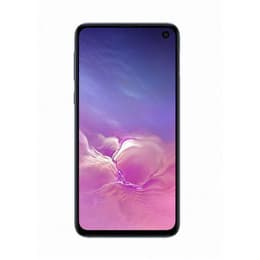
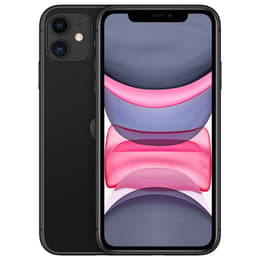
  • Display Technology and Clarity: The Galaxy S10e features a 5.8-inch Dynamic AMOLED display, offering vibrant colors, deep blacks, and excellent contrast, with a resolution of 2280 x 1080 pixels, resulting in a pixel density of approximately 438 pixels per inch (ppi). The iPhone 11 utilizes a 6.1-inch Liquid Retina IPS LCD display, which provides accurate color reproduction and good viewing angles, with a resolution of 1792 x 828 pixels, translating to about 326 ppi.
  • Brightness and Viewing Experience: Both displays offer sufficient brightness for comfortable indoor and outdoor viewing. The Galaxy S10e's AMOLED panel supports HDR10+, enhancing the viewing experience for compatible content. The iPhone 11's LCD screen, while clear, does not achieve the same level of contrast or true blacks as an OLED display.
  • Design Elements: The Galaxy S10e incorporates a punch-hole cutout for its front camera, maximizing screen real estate. The iPhone 11 features a notch at the top of its display, housing the front camera and Face ID sensors. Both devices have a standard 60Hz refresh rate.

Resolution

1080 x 2280

828 x 1792

Screen type

Dynamic AMOLED

Liquid Retina IPS LCD

Audiovisual

Camera capabilities are a significant consideration for many users, covering both still photography and video recording.

  • Rear Camera Systems: The Galaxy S10e is equipped with a dual-camera setup on the rear, including a 12-megapixel wide-angle lens with optical image stabilization (OIS) and a 16-megapixel ultrawide lens. The iPhone 11 also features a dual-camera system, comprising a 12-megapixel wide-angle lens with OIS and a 12-megapixel ultrawide lens.
  • Photography Performance: The Galaxy S10e delivers good results in well-lit conditions, with its ultrawide lens being useful for capturing expansive scenes. However, its low-light performance is generally considered less robust compared to some competitors. The iPhone 11 excels in various lighting conditions, featuring Night mode for significantly improved low-light photography and Deep Fusion technology for enhanced detail in other scenarios.
  • Video and Audio Quality: Both smartphones are capable of recording 4K video at 60 frames per second. The iPhone 11's video recording is noted for its stability and color accuracy. The Galaxy S10e offers stereo speakers with Dolby Atmos/AKG sound, providing a rich audio experience. The iPhone 11 also features stereo speakers for media consumption.

Main camera

12 megapixels

12 megapixels

Front camera

10 megapixels

12 megapixels

Miscellaneous

Beyond core features, practical elements like connectivity, ports, and physical design contribute to the overall user experience.

  • Connectivity and Ports: Both the Galaxy S10e and iPhone 11 support Wi-Fi 6 and Bluetooth 5.0 for wireless connectivity. Neither device offers 5G cellular connectivity. The Galaxy S10e includes a USB-C port for charging and data transfer, along with a traditional 3.5mm headphone jack. The iPhone 11 uses Apple's proprietary Lightning port and does not feature a headphone jack.
  • Biometric Security and Design: The Galaxy S10e incorporates a side-mounted fingerprint sensor for secure unlocking. The iPhone 11 relies on Face ID, Apple's facial recognition system, for biometric security. In terms of physical design, the Galaxy S10e is more compact and lighter, weighing 150 grams, compared to the iPhone 11's 194 grams.
  • Build Materials and Handling: Both phones feature a glass front and back, encased in an aluminum frame, contributing to a premium feel. The smaller dimensions of the Galaxy S10e may appeal to users who prefer a device that is easier to operate with one hand.

Weight

150 g

194 g

Screen size (in)

5.8

6.1

Network

4G

4G

SIM card

Physical SIM

Physical SIM + eSIM

Carrier compatibility

Unlocked

Unlocked

Connector

USB-C + Jack 3.5mm

Lightning

User feedback for the Galaxy S10e often highlights its compact form factor, vibrant AMOLED display, and the inclusion of a headphone jack as significant advantages. Its performance for everyday tasks and capable daylight photography are also frequently praised. However, common criticisms include its battery life, which some heavy users find insufficient for a full day, and its low-light camera performance, which is not as strong as some contemporary devices.

The iPhone 11 receives consistent praise for its robust overall performance, excellent battery life that often extends beyond a single day, and its versatile camera system, particularly the effectiveness of Night mode for low-light conditions. Users also appreciate Apple's long-term software support, ensuring the device remains current with features and security updates. Points of concern for some users include its LCD display, which does not offer the deep blacks of OLED panels, and the absence of a 5G modem or a traditional headphone jack.

Users prioritizing a compact device with a high-quality AMOLED screen and the convenience of a headphone jack may find the Galaxy S10e well-suited to their needs. Conversely, those who value extended software longevity, superior low-light photography, and a highly optimized ecosystem will likely lean towards the iPhone 11. Both devices offer a reliable smartphone experience, and considering a quality-assured refurbished option can be an eco-friendly alternative for either model.

See all articles

Our recent comparisons






