
iPhone

Compare models
Differences at a glance
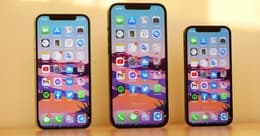
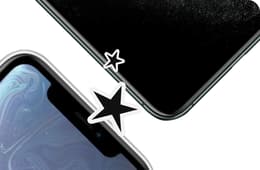
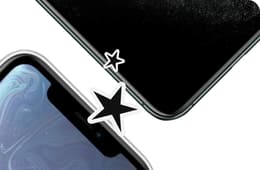
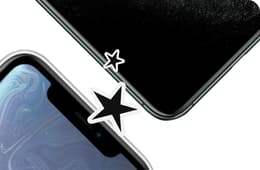
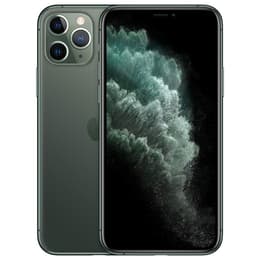
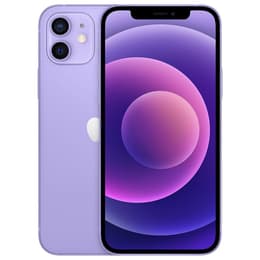
The iPhone 11 Pro, released in September 2019, and the iPhone 12, launched in October 2020, represent two consecutive generations of Apple's smartphone lineup. While both offer a premium experience, the iPhone 12 introduces a newer processor, 5G connectivity, and an updated design, distinguishing it from its predecessor which focused on refining the triple-camera system.
Colour
Storage
When considering the long-term usability of these devices, several factors come into play, including their initial release and expected software support.
Year of Release
Compatible with latest Update
OS
Foldable
Performance is a key aspect for any smartphone, influencing how smoothly applications run and how efficiently daily tasks are handled.
The display is the primary interface for user interaction, and both iPhones offer high-quality viewing experiences with some notable differences.
Resolution
Screen type
The camera systems on both iPhones are designed to capture high-quality photos and videos, though they approach this with different configurations and capabilities.
Main camera
Front camera
Beyond the core features, several other elements contribute to the overall user experience and practical utility of these smartphones.
Weight
Screen size (in)
Network
SIM card
Carrier compatibility
Connector
The iPhone 11 Pro and iPhone 12 each offer compelling features, catering to slightly different user priorities. User feedback for the iPhone 11 Pro often praises its robust build quality and the versatility of its triple-camera system, particularly the dedicated telephoto lens. Some users appreciate its slightly more compact form factor compared to larger models. Criticisms sometimes point to the absence of 5G and its older processor compared to newer generations.
For the iPhone 12, common praise highlights its introduction of 5G connectivity, the improved low-light performance across all cameras, and its refreshed design. Users also note the enhanced durability provided by the Ceramic Shield front. Some feedback mentions the removal of the telephoto lens found on the 11 Pro as a trade-off for the standard model.
Users prioritizing a dedicated telephoto camera and a slightly more compact, heavier build might find the iPhone 11 Pro well-suited to their needs. Conversely, those who value future-proof 5G connectivity, enhanced low-light photography across all lenses, and a lighter, more durable front display will likely lean towards the iPhone 12. Both devices remain capable smartphones, and opting for a quality-assured refurbished option can be an eco-friendly alternative for either model, allowing consumers to make informed, sustainable choices.