
iPhone

Compare models
Differences at a glance
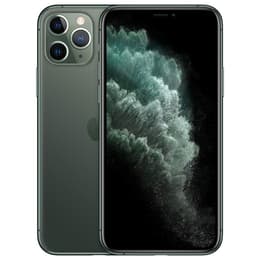
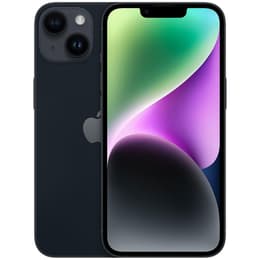
The iPhone 11 Pro, released in September 2019, and the iPhone 14, launched in September 2022, are both Apple smartphones running on the iOS operating system. While both devices offer a streamlined user experience, the iPhone 14 introduces advancements in camera technology, internal processing, and durability features compared to its predecessor. This comparison will explore the practical differences to help users determine which device aligns best with their needs.
Colour
Storage
When considering the longevity of these devices, several factors come into play, including their release dates, software support, and repairability.
Year of Release
Compatible with latest Update
OS
Foldable
The performance of a smartphone is crucial for daily tasks, from app usage to multitasking and gaming. Both the iPhone 11 Pro and iPhone 14 offer capable performance, but with notable differences.
The display is a primary interface for any smartphone, and both the iPhone 11 Pro and iPhone 14 feature high-quality screens, though with some distinctions.
Resolution
Screen type
Camera capabilities are a significant consideration for many users, and both iPhones offer advanced photographic and videographic features, with the iPhone 14 introducing several enhancements.
Main camera
Front camera
Beyond core features, several practical elements differentiate the iPhone 11 Pro and iPhone 14, impacting daily usability and connectivity.
Weight
Screen size (in)
Network
SIM card
Carrier compatibility
Connector
The iPhone 11 Pro and iPhone 14 both offer compelling smartphone experiences, but cater to slightly different user priorities. Users often praise the iPhone 11 Pro for its robust build quality, excellent battery life, and the versatility of its triple camera system, particularly the dedicated telephoto lens. Some users appreciate its more compact size for one-handed use. However, common criticisms for the 11 Pro in current times often revolve around its aging processor and the eventual end of software support.
The iPhone 14, on the other hand, is frequently lauded for its significant camera improvements, including enhanced low-light performance and new video features like Cinematic and Action modes. Its improved battery life and the inclusion of 5G connectivity are also strong points. Some users have noted that while the iPhone 14 offers solid performance, it might not feel like a drastic upgrade from very recent models, and its repairability, despite initial improvements, is complicated by parts pairing requirements.
Users prioritizing the latest camera technology, faster cellular speeds, and a longer window of software updates will find the iPhone 14 to be a more suitable choice. Its enhanced durability features and slightly larger display also contribute to a more modern experience. Conversely, individuals who value a more compact form factor, a dedicated telephoto lens, and a device that still performs well for everyday tasks might find the iPhone 11 Pro to be a capable option, especially if considering a quality-assured refurbished model as an eco-friendly alternative. Ultimately, the decision depends on whether the advancements in camera, connectivity, and longevity offered by the iPhone 14 outweigh the still-solid performance and features of the iPhone 11 Pro.