
iPhone

Compare models
Differences at a glance
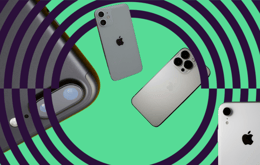
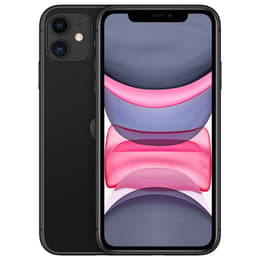
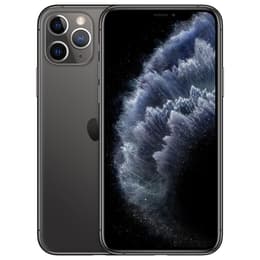
The iPhone 11 and iPhone 11 Pro, both released in September 2019, represent two distinct offerings within Apple's thirteenth generation of smartphones. While they share the same powerful processing foundation and core iOS experience, they primarily differ in display technology, camera capabilities, and overall build materials.
Colour
Storage (GB)
When considering the long-term usability of these devices, their release timeline, software support, and repairability are key factors.
Year of Release
Compatible with latest Update
OS
Foldable
Both the iPhone 11 and iPhone 11 Pro deliver robust performance for daily tasks and demanding applications, though their battery behavior differs subtly.
The display is one of the most significant distinctions between the iPhone 11 and the iPhone 11 Pro, impacting visual quality and overall viewing experience.
Resolution
Screen type
The camera systems of the iPhone 11 and iPhone 11 Pro share many core features but diverge significantly with the Pro model's additional lens.
Main camera
Front camera
Beyond the core performance and display, several practical elements distinguish the user experience of the iPhone 11 and iPhone 11 Pro.
Weight
Width
Height
Depth
Screen size (in)
Network
SIM card
Carrier compatibility
Connector
The iPhone 11 and iPhone 11 Pro, despite being released concurrently, cater to slightly different user priorities. Users frequently praise the iPhone 11 for its strong battery life and capable dual-camera system, often highlighting its value for everyday use. Its larger LCD screen and vibrant color options are also noted as positives for general media consumption. Some common criticisms include its LCD display, which offers lower resolution and contrast compared to more premium phones, and the absence of a telephoto lens.
Conversely, the iPhone 11 Pro is lauded for its superior OLED display, which provides deeper blacks and higher resolution, along with its versatile triple-camera system, particularly the added telephoto lens for optical zoom and enhanced portrait photography. Its premium build quality, featuring a stainless steel frame and a matte glass back, also contributes to a more refined feel. While its screen is slightly smaller than the standard iPhone 11, its enhanced visual fidelity and camera flexibility are often cited as key advantages.
For users prioritizing core performance, a larger screen for media, and solid all-day battery life without the need for advanced camera zoom, the iPhone 11 remains a practical and reliable choice. It's well-suited for students, casual users, or those seeking a durable and long-lasting device for essential smartphone functions. For photography enthusiasts, content creators, or professionals who demand a more premium visual experience, optical zoom capabilities, and a more compact form factor with a refined finish, the iPhone 11 Pro stands out. Both devices, especially as quality-assured refurbished options, offer a sustainable and informed purchasing decision, extending their lifecycle and providing excellent value for their respective user profiles.