iPhone

Compare models
Differences at a glance
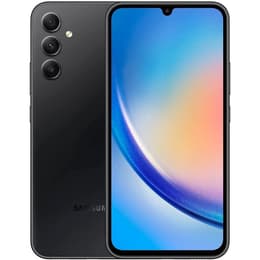
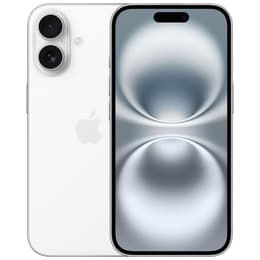
The Samsung Galaxy A34, released in March 2023, and the Apple iPhone 16, launched in September 2024, represent distinct approaches to smartphone design and functionality. While the Galaxy A34 operates on the Android platform, offering a customizable experience, the iPhone 16 runs on Apple's iOS, known for its integrated ecosystem. Key differentiators lie in their core processing power, display technologies, and camera capabilities, catering to different user preferences and needs.
Colour
Storage
When considering the long-term usability of these devices, their release timelines and software support policies are important factors. The Galaxy A34, launched in 2023, typically receives four major OS upgrades and five years of security updates, extending its software support until around 2027. The iPhone 16, released in 2024, benefits from Apple's generally longer software support, often spanning five to six years or more from its launch, providing an extended period of current iOS features and security patches.
Year of Release
The performance of a smartphone is crucial for daily tasks, app usage, and overall responsiveness. The Galaxy A34 is equipped with an octa-core processor, which handles everyday applications and multitasking smoothly, providing a capable experience for general use. The iPhone 16 integrates a more advanced processor, designed for enhanced speed and efficiency, particularly optimized for demanding applications, complex computations, and generative artificial intelligence features.
The visual experience is a primary interaction point for users, and both devices offer distinct display characteristics. The Galaxy A34 features a 6.6-inch Super AMOLED display, known for its vibrant colors and deep blacks, with a 120Hz refresh rate for smoother scrolling and animations. The iPhone 16 sports a 6.1-inch Super Retina XDR OLED display, delivering high clarity and color accuracy, though it maintains a standard 60Hz refresh rate.
Photography and videography capabilities are often a deciding factor for many users. The Galaxy A34 features a versatile triple-camera setup, including a 48MP main sensor with Optical Image Stabilization (OIS), an 8MP ultrawide, and a 5MP macro lens, capable of 4K video recording. The iPhone 16 comes with an advanced dual-camera system, featuring a 48MP Fusion Main camera with OIS and a 12MP ultrawide lens, excelling in both photo and video capture.
Beyond core specifications, several practical elements contribute to the overall user experience. Both devices offer modern connectivity options and biometric security, but differ in physical design and port choices. The Galaxy A34 maintains a more traditional Android design, while the iPhone 16 introduces some updated physical features.
Screen size (in)
Network
SIM card
Carrier compatibility
Connector
User feedback for the Galaxy A34 often highlights its vibrant 120Hz AMOLED display and robust battery life as strong points, making it a reliable device for everyday media consumption and general use. Some users note that while its main camera performs well for its segment, the overall camera output can sometimes appear less vibrant compared to competitors. The iPhone 16 has received positive feedback for its refined design and powerful performance, particularly its advanced processor optimized for AI tasks. However, its 60Hz display refresh rate is sometimes seen as a limitation by users accustomed to higher refresh rates on other devices.
Users prioritizing a smooth display experience for scrolling and gaming, along with expandable storage and a more open operating system, may find the Samsung Galaxy A34 well-suited to their needs. Conversely, individuals who value cutting-edge processing power, a highly integrated ecosystem, advanced video capabilities, and a longer software support window will likely lean towards the iPhone 16. Both devices offer compelling features, and choosing between them often comes down to individual priorities regarding operating system preference, performance demands, and specific camera or display requirements. For those seeking a more sustainable choice, both models are available as quality-assured refurbished options, providing an eco-friendly alternative.










