
iPhone X Vs iPhone XS

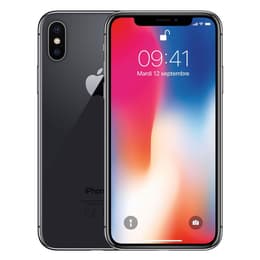
iPhone X
iPhone X
Starting at

Refurbished price:138.00

Versus €439.00 new

See options
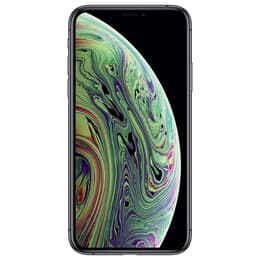
iPhone XS
iPhone XS
Starting at

Refurbished price:129.00

Versus €489.00 new

See options

Ratings

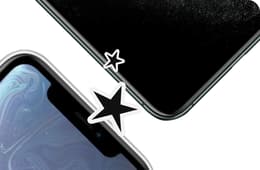
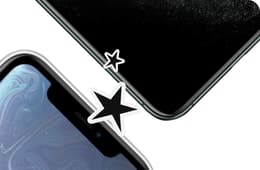
The iPhone X, released in November 2017, marked a significant design shift for Apple, introducing a full-screen display and Face ID. Its successor, the iPhone Xs, launched in September 2018, refined this new design while bringing internal enhancements. Both devices operate on Apple's iOS platform, providing a consistent user experience, but the Xs offers updated performance and camera capabilities.

Scores

Durability

When considering the practical lifespan, the iPhone X and iPhone Xs have distinct differences primarily due to their release dates and subsequent software support.

  • Release Timeline: The iPhone X was released in November 2017, while the iPhone Xs followed in September 2018. This one-year difference impacts their software longevity.
  • Software Longevity: The iPhone X received its last major iOS update with iOS 16, though it continues to receive security updates as of March 2026. The iPhone Xs, being newer, extended its software support one year further, receiving iOS 18, and is expected to receive security updates through at least late 2026.
  • Repairability: Both models feature a glass front and back, making them susceptible to damage from drops. The iPhone X received a repairability score of 6 out of 10 from iFixit, indicating that display and battery replacements are feasible, but other repairs can be complex due to internal component arrangements. Repairability scores for the iPhone Xs are generally similar, also rated 6 out of 10, with common repairs like screen and battery replacements being manageable.

Year of Release

2017

2018

Compatible with latest Update

No

Yes

OS

iOS

iOS

Foldable

No

No

Performance

The performance difference between the iPhone X and iPhone Xs is notable, especially with the passage of time and the increasing demands of modern applications.

  • Processing Power: The iPhone Xs features a more advanced internal processor compared to the iPhone X. This translates to faster app loading times, smoother multitasking, and more efficient handling of demanding applications and games.
  • Multitasking: The iPhone Xs includes more RAM, which allows it to keep more applications open in the background without needing to reload them, providing a more fluid multitasking experience. The iPhone X, with less RAM, may experience more frequent app refreshes when switching between many applications.
  • Storage Options: While both models offered 64GB and 256GB storage configurations, the iPhone Xs introduced an additional 512GB option, providing more space for photos, videos, and applications for users with extensive storage needs.
  • Battery Behavior: The iPhone Xs, despite having a slightly smaller battery capacity than the iPhone X, offers approximately 30 minutes longer battery life due to improved power efficiency of its internal components.

Memory

3 GB

4 GB

Screen quality

Both the iPhone X and iPhone Xs feature similar display technologies and specifications, providing a high-quality visual experience.

  • Display Technology: Both devices utilize a 5.8-inch OLED display, which delivers deep blacks, high contrast, and vibrant colors. This technology provides an immersive viewing experience for media consumption.
  • Resolution and Clarity: The resolution and pixel density are virtually identical between the two models, ensuring sharp text and clear images. Both screens offer excellent clarity for everyday use, from browsing to watching videos.
  • Brightness and Dynamic Range: Both displays offer comparable brightness levels, performing well in various lighting conditions. The iPhone Xs display offers slightly improved color accuracy and 60% greater dynamic range, which may be noticeable to discerning users, particularly with HDR content. Some early user reports indicated potential inconsistencies like a yellow tint on some iPhone Xs displays compared to the iPhone X.

Resolution

1125 x 2436

1125 x 2436

Screen type

Super Retina OLED

Super Retina OLED

Audiovisual

The camera systems on the iPhone X and iPhone Xs share a similar dual-lens setup, but the Xs introduces significant software and hardware enhancements for improved image quality.

  • Rear Camera System: Both phones feature a dual 12-megapixel camera system with wide and telephoto lenses, offering optical image stabilization on both. The iPhone Xs, however, benefits from a larger sensor with bigger pixels and improved image signal processing, leading to better light gathering capabilities and overall image quality.
  • Photography Features: The iPhone Xs introduces Smart HDR, which captures multiple exposures for balanced shots, and Depth Control, allowing users to adjust background blur in Portrait mode photos after capture. These features enhance detail in highlights and shadows, and improve low-light performance compared to the iPhone X.
  • Video and Audio: While both record 4K video, the iPhone Xs offers stereo audio recording for video capture, providing a more immersive sound experience.
  • Front Camera: Both devices include a 7-megapixel TrueDepth front camera. The iPhone Xs benefits from the improved image signal processor of its newer chip, which can enhance selfie quality.

Main camera

12 megapixels

12 megapixels

Front camera

7 megapixels

7 megapixels

Miscellaneous

Beyond core performance and display, several practical elements differentiate these two devices.

  • Connectivity: The iPhone Xs features an upgraded cellular modem, offering faster LTE speeds compared to the iPhone X. The iPhone Xs also introduced dual-SIM capabilities through an eSIM, a first for the iPhone line, allowing users to manage two phone numbers on one device. Both support standard Wi-Fi and Bluetooth connectivity.
  • Durability Features: While both phones have a glass and stainless steel construction, the iPhone Xs boasts an improved IP68 water and dust resistance rating, allowing it to withstand submersion in deeper water (2 meters for up to 30 minutes) compared to the iPhone X's IP67 rating (1 meter for up to 30 minutes).
  • Biometric Security: Both devices rely on Face ID for secure authentication. The iPhone Xs features faster Face ID technology due to algorithmic improvements.
  • Physical Characteristics: The iPhone X and iPhone Xs share nearly identical dimensions. The iPhone Xs is slightly heavier at 177 grams compared to the iPhone X's 174 grams, a difference that is generally not noticeable in everyday handling.

Weight

174 g

177 g

Screen size (in)

5.8

5.8

Network

4G

4G

SIM card

Physical SIM

Physical SIM + eSIM

Carrier compatibility

Unlocked

Unlocked

Connector

Lightning

Lightning

The iPhone X was praised for its revolutionary design, introducing a full-screen experience and Face ID, which set a new standard for smartphones. Users generally found its performance to be robust for its time, though some noted its battery life was adequate rather than exceptional. Criticisms sometimes focused on the initial adjustment to the notch and the absence of a physical home button.

The iPhone Xs generally received praise for refining the iPhone X's design, offering noticeable performance improvements, and enhancing camera capabilities, particularly with Smart HDR and improved low-light performance. Some users, however, found the display quality to be inconsistent in early models, with some reporting a yellow tint compared to the iPhone X.

Users prioritizing a groundbreaking design and solid core functionality may find the iPhone X well-suited to their needs. For those who value enhanced performance for demanding applications, improved camera capabilities, and slightly longer software support, the iPhone Xs presents a compelling option. Both devices offer a premium experience, and choosing between them often comes down to the importance placed on these incremental upgrades. Considering a quality-assured refurbished option for either model can be a sustainable choice for consumers.

See all articles

Our recent comparisons