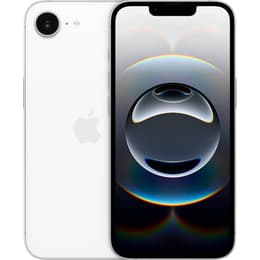


Galaxy A13 Vs iPhone 16e

Galaxy A13
Galaxy A13
Starting at

Refurbished price:96.00

Versus €249.00 new

See options
iPhone 16e
iPhone 16e
Starting at

Refurbished price:387.00

Versus €719.00 new

See options

Ratings

The Samsung Galaxy A13, released in March 2022, is an Android smartphone designed for everyday use, offering a large display and a versatile camera system. In contrast, the iPhone 16e, launched in February 2025 and discontinued in March 2026, was positioned as an entry-level iPhone within the iPhone 16 series, featuring Apple's ecosystem and a focus on performance and camera capabilities. These devices cater to different user preferences, with the Galaxy A13 running on Android and the iPhone 16e operating on iOS.

Scores

Durability

When considering the long-term usability of these devices, their release timelines and software support policies are key factors.

  • Release and Discontinuation: The Samsung Galaxy A13 was released in March 2022, while the iPhone 16e had a shorter market presence, launching in February 2025 and being discontinued in March 2026.
  • Software Support: The Galaxy A13 received two major Android OS upgrades, reaching Android 14 with One UI 6.1, and continues to receive quarterly security updates as of February 2026. The iPhone 16e launched with iOS 18.3 and supported iOS 26.4, indicating a longer expected period of major OS updates from its release date.
  • Physical Durability: The Galaxy A13 features a glass front protected by Corning Gorilla Glass 5, with a plastic back and frame. The iPhone 16e incorporates a Ceramic Shield front and glass back, along with an IP68 rating for dust and water resistance, suggesting a more robust build against environmental elements.

Year of Release

2022

2025

OS

Android

iOS

Foldable

No

No

Performance

The performance of a smartphone is largely determined by its internal components and how efficiently they handle daily tasks and demanding applications.

  • Processing Power: The Galaxy A13 is powered by an octa-core processor, suitable for general smartphone tasks and light multitasking. The iPhone 16e features a current-generation Apple chip (A18 SoC with a 4-core GPU), which provides fast and smooth performance for demanding applications, advanced gaming, and Apple Intelligence features.
  • Memory and Storage: The Galaxy A13 offers various RAM configurations (3GB, 4GB, 6GB) and storage options (32GB, 64GB, 128GB), with the added flexibility of expandable storage up to 1TB via a microSD card. The iPhone 16e comes with 8GB of RAM and internal storage options of 128GB, 256GB, or 512GB, without expandable storage.
  • System Responsiveness: Users of the iPhone 16e can expect highly responsive interactions and efficient handling of multiple applications simultaneously due to its powerful processor and ample RAM. The Galaxy A13 provides a capable experience for typical daily usage, though it may exhibit slower loading times for more intensive applications compared to the iPhone 16e.

Memory (GB)

4 GB

8 GB

Screen quality

The display is a primary interface for smartphone interaction, and differences in technology and specifications can significantly impact the viewing experience.

  • Display Technology and Resolution: The Galaxy A13 features a 6.6-inch PLS LCD display with a resolution of 1080 x 2408 pixels, providing clear visuals for everyday content. The iPhone 16e boasts a 6.1-inch Super Retina XDR OLED display with a resolution of 2532 x 1170 pixels, offering deep blacks, vibrant colors, and high contrast.
  • Brightness and Refresh Rate: The iPhone 16e's OLED display offers a typical maximum brightness of 800 nits and a peak HDR brightness of 1200 nits, enhancing visibility in various lighting conditions. Both devices feature a standard 60Hz refresh rate, which provides a smooth experience for general use.
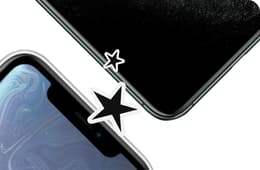
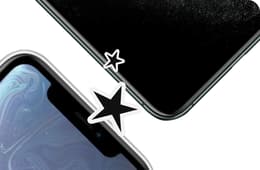
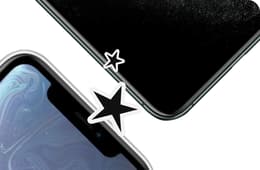
  • Design and Viewing Experience: The Galaxy A13 has an Infinity-V notch for its front camera, while the iPhone 16e retains a notch design similar to earlier iPhone models. The iPhone 16e's display is identical to the iPhone 14, known for its visual quality.

Resolution

1080 x 2408

2532x1170

Audiovisual

Camera capabilities are a significant consideration for many users, influencing how they capture and share moments.

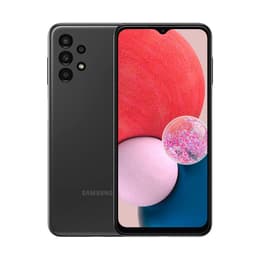
  • Rear Camera System: The Galaxy A13 features a quad-camera setup, including a 50MP main sensor, a 5MP ultrawide, a 2MP macro, and a 2MP depth sensor, offering versatility for different types of shots. The iPhone 16e is equipped with a 48MP Fusion main camera with a single lens, which also enables a 12MP 2x telephoto option through digital zoom, and includes optical image stabilization.
  • Photography Performance: The iPhone 16e's camera benefits from advanced computational photography features enabled by its powerful processor, contributing to improved image quality, especially in challenging lighting. The Galaxy A13's 50MP main sensor can capture detailed images in good lighting conditions.
  • Video Recording and Front Camera: The Galaxy A13 records video at 1080p at 30 frames per second (fps) and has an 8MP front camera. The iPhone 16e supports 4K video recording at up to 60 fps and features a 12MP TrueDepth front camera, offering higher resolution and more advanced video capabilities.

Front camera

8 megapixels

TrueDepth 12MP

Miscellaneous

Beyond the core features, several practical elements contribute to the overall user experience and device utility.

  • Connectivity and Ports: The Galaxy A13 supports 4G networks, Wi-Fi 5 (802.11ac), and Bluetooth 5.0, and includes a 3.5mm headphone jack alongside its USB-C port. The iPhone 16e offers 5G (sub-6 GHz) connectivity, Wi-Fi 6, Bluetooth 5.3, and exclusively uses a USB-C port, omitting the headphone jack.
  • Biometric Security: The Galaxy A13 features a side-mounted fingerprint sensor for secure unlocking. The iPhone 16e utilizes Face ID for biometric authentication, providing secure facial recognition.
  • Design and Handling: The Galaxy A13 has dimensions of 165.1 x 76.4 x 8.8 mm and weighs 195g, with a plastic build. The iPhone 16e is more compact and lighter at 146.7 × 71.5 × 7.8 mm and 167g, featuring an aluminum frame and glass back. The iPhone 16e also includes an Action Button for customizable shortcuts.

Weight

195 g

167 g

Screen size (in)

6.6

6.1

Network

4G

5G

SIM card

Dual Physical SIM

eSIM

Carrier compatibility

Unlocked

Unlocked

The Samsung Galaxy A13 and iPhone 16e cater to distinct user needs and preferences within the smartphone market. Users often praise the Galaxy A13 for its large display, long-lasting battery, and the inclusion of a headphone jack and expandable storage, which are practical benefits for many. Some common criticisms for the Galaxy A13 revolve around its performance for more demanding tasks and its software update longevity compared to newer devices.

The iPhone 16e, despite its relatively short market availability, was noted for bringing a powerful Apple chip, a high-quality OLED display, and advanced camera capabilities to a more accessible price point within the iPhone lineup. Users appreciate its robust build quality, Face ID security, and the seamless integration with the Apple ecosystem. Potential concerns might include the absence of a headphone jack and expandable storage, as well as its discontinuation shortly after release, which could impact long-term availability of new units.

Users prioritizing a larger screen, expandable storage, and a traditional headphone jack may find the Galaxy A13 well-suited to their needs. It offers a solid Android experience for general use and media consumption. Conversely, users who value strong performance, a vibrant OLED display, advanced camera features, and the iOS ecosystem will likely lean towards the iPhone 16e. Its compact size and premium build also appeal to those seeking a more refined device. Both devices, when considered as quality-assured refurbished options, present eco-friendly alternatives for consumers looking to make informed and sustainable choices.


See all articles

Our recent comparisons