
iPhone

Compare models
Differences at a glance
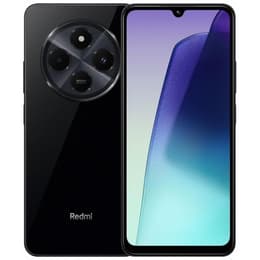
The iPhone 16E and the Xiaomi Redmi 14C represent distinct approaches to smartphone design and functionality, catering to different user priorities. Released in February 2025, the iPhone 16E serves as an entry-level option within Apple's ecosystem, while the Xiaomi Redmi 14C, launched in August 2024, positions itself as a feature-rich device within the Android landscape. These devices differ significantly in their operating systems, core hardware, and overall user experience, offering a clear contrast for consumers evaluating their next smartphone purchase.
Colour
Storage
When considering the long-term usability of a smartphone, factors like release timeline, software support, and repairability are key. The iPhone 16E, released in February 2025, and the Xiaomi Redmi 14C, launched in August 2024, offer different trajectories in these areas.
Year of Release
OS
Foldable
The performance of a smartphone is crucial for daily tasks, app usage, and overall responsiveness. The iPhone 16E and Xiaomi Redmi 14C approach this with different hardware architectures.
The display is a primary interface for smartphone interaction, and both devices offer different visual experiences tailored to their respective segments.
Resolution
Camera capabilities are a significant consideration for many users, and these two devices offer distinct photographic and videographic experiences.
Front camera
Beyond core specifications, several practical elements contribute to the overall user experience and daily convenience of a smartphone.
Weight
Screen size (in)
Network
SIM card
Carrier compatibility
Connector
User feedback for the iPhone 16E often highlights its seamless integration within the Apple ecosystem, robust performance for its class, and the quality of its display and camera for everyday photography. Users appreciate the consistent software experience and the device's compact form factor. Some common criticisms might revolve around its 60Hz display, which some users find less fluid compared to higher refresh rate screens on other devices, and the absence of a telephoto lens.
For the Xiaomi Redmi 14C, users frequently praise its large display, smooth 120Hz refresh rate, and substantial battery capacity, which often translates to extended usage times. The inclusion of a 3.5mm headphone jack and expandable storage are also often cited as positive aspects. Potential criticisms might include the display's resolution, which is lower than some competitors, and the performance for very demanding applications.
Users prioritizing a compact device with a premium OLED display, strong ecosystem integration, and long-term software support will find the iPhone 16E well-suited to their needs. It is ideal for those who value consistent performance and advanced camera processing for general use. Conversely, users who prioritize a larger, smoother display for media consumption, extended battery life, and the flexibility of expandable storage and a headphone jack may lean toward the Xiaomi Redmi 14C. This device is a strong contender for those seeking a capable Android experience for daily tasks and entertainment.
Both models, whether new or as quality-assured refurbished options, offer distinct advantages depending on individual preferences and usage patterns, enabling informed and sustainable choices.