

iPhone 16 Vs Xiaomi Redmi Note 13

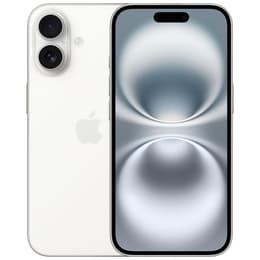
iPhone 16
iPhone 16
Starting at

Refurbished price:549.00

Versus €879.00 new

See options
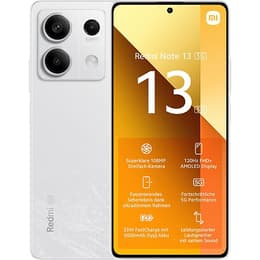
Xiaomi Redmi Note 13
Starting at

Refurbished price:137.00

Versus €340.00 new

See options

Ratings

The iPhone 16, released in September 2024, and the Xiaomi Redmi Note 13, with its global launch in January 2024, represent distinct offerings in the smartphone market. While the iPhone 16 operates on Apple's iOS, the Redmi Note 13 runs on Android with Xiaomi's HyperOS. These devices cater to different user expectations, primarily differing in their core processing power, camera capabilities, and overall ecosystem integration.

Scores

Durability

When considering the long-term usability of these smartphones, their respective release timelines and software support are key factors.

  • Software Longevity: The iPhone 16, being an Apple device, is expected to receive iOS updates for approximately five to seven years from its release, ensuring a longer period of access to new features and security patches. The Redmi Note 13, running Android, typically receives two to three major Android OS updates and a few years of security updates, which is a shorter support window compared to the iPhone.
  • Physical Durability: The iPhone 16 features a robust build, likely incorporating Ceramic Shield front cover and an advanced IP rating for water and dust resistance, contributing to its physical resilience. The Redmi Note 13 offers an IP54 rating, indicating resistance to splashes and dust, which provides a good level of protection for everyday use.
  • Expected Lifespan: Users often report that iPhones maintain their performance and receive software support for an extended duration, making them suitable for longer practical lifespans. The Redmi Note 13, while durable for its class, may show signs of aging in terms of software and performance sooner than its Apple counterpart, though it remains a viable option for several years of use.

Year of Release

2024

2024

Compatible with latest Update

Yes

Yes

Foldable

No

No

Performance

The performance of a smartphone is largely dictated by its internal processing unit and memory configuration, impacting how smoothly applications run and how efficiently multitasking is handled.

  • Processing Power: The iPhone 16 is equipped with Apple's A18 chip, designed to handle demanding applications, complex graphics, and advanced AI features with considerable efficiency and speed. This results in fluid navigation, rapid app loading, and a responsive experience even with intensive tasks. In contrast, the Redmi Note 13 utilizes a Snapdragon 685 processor for its 4G variant or a MediaTek Dimensity 6080 for its 5G variant, which are capable of managing daily tasks and casual gaming, though some users have noted occasional sluggishness with more demanding operations.
  • Multitasking and Storage: The iPhone 16 comes with 8GB of RAM, providing ample capacity for seamless app switching and background processes. It offers storage options up to 512GB. The Redmi Note 13 is available with various RAM configurations, including 6GB, 8GB, and 12GB, and supports memory fusion technology to virtually expand RAM. It also offers expandable storage up to 1TB, which can be beneficial for users who require extensive storage for media and applications.
  • Battery Behavior: The iPhone 16 features a reengineered internal design to accommodate a larger battery, optimized by iOS 18 for improved battery life, aiming to provide extended usage on a single charge. The Redmi Note 13 houses a 5000mAh battery, generally providing over a day of use for most users, with some reports indicating up to 51 hours for the 4G variant. It also supports 33W fast charging.

Memory (GB)

8 GB

8 GB

Screen quality

The visual experience on a smartphone is heavily influenced by its display technology, resolution, and responsiveness.

  • Display Technology and Clarity: Both devices feature OLED displays, known for their deep blacks and vibrant colors. The iPhone 16 sports a 6.1-inch Super Retina XDR OLED display with a resolution of 2556x1179 pixels, resulting in a high pixel density for sharp and detailed visuals. The Redmi Note 13 offers a larger 6.67-inch AMOLED display with a 2400x1080 (FHD+) resolution, providing a clear viewing experience across its expansive screen.
  • Brightness and Refresh Rate: The Redmi Note 13 boasts a peak brightness of 1800 nits, making it highly visible even in bright outdoor conditions, and features a 120Hz refresh rate for smooth scrolling and fluid animations. While specific peak brightness for the base iPhone 16 is not explicitly detailed in all sources, Apple's Super Retina XDR displays are known for excellent brightness and contrast. The iPhone 16 also offers a smooth visual experience, though its refresh rate might not always match the Redmi Note 13's 120Hz in all scenarios.
  • Viewing Experience: The iPhone 16's display size is suitable for comfortable one-handed use and media consumption. The Redmi Note 13's larger screen size provides a more immersive viewing experience for videos and gaming, which can be a significant advantage for users who prioritize screen real estate.

Resolution

1179 x 2556

1080 x 2400

Screen type

Super Retina XDR OLED

AMOLED

Audiovisual

The camera systems on both smartphones offer distinct approaches to photography and videography, catering to different user preferences.

  • Rear Camera Capabilities: The iPhone 16 features an advanced dual-camera system, including a 48MP Fusion Main camera and a 12MP Ultra Wide lens, with a new vertical arrangement enabling Spatial Video capture. It also offers a 12MP 2x Telephoto option. Apple's computational photography enhances image quality, particularly in challenging lighting conditions. The Redmi Note 13 comes with a triple camera setup, highlighted by a 108MP main sensor, an 8MP ultrawide, and a 2MP macro lens. It supports various photography modes like Portrait, Night, and Pro modes.
  • Photography Performance: The iPhone 16 is designed to capture detailed and color-accurate photos, with improvements in low-light performance and dynamic range. Users often praise the consistency and quality of iPhone cameras. The Redmi Note 13's 108MP sensor can capture high-resolution images, and it performs well in daylight. However, some users report mixed results, especially with the ultrawide and macro lenses, and in-app camera performance on social media.
  • Video Recording and Front Camera: The iPhone 16 supports 4K Dolby Vision video recording, offering high-quality video capture with advanced stabilization. Its 12MP front camera is optimized for clear selfies and video calls. The Redmi Note 13 records video at up to 1080p@30fps for the base model and features a 16MP front camera, capable of capturing sharp images in good lighting.

Main camera

48 megapixels

108 megapixels

Front camera

12 megapixels

16 megapixels

Miscellaneous

Beyond the core specifications, several practical features and design elements contribute to the overall user experience of these devices.

  • Connectivity and Ports: The iPhone 16 supports modern connectivity standards, including 5G and Wi-Fi 6E, and features a USB-C port for charging and data transfer. The Redmi Note 13 also offers 4G or 5G connectivity depending on the model, along with Wi-Fi and Bluetooth. It includes a USB-C port and retains a 3.5mm headphone jack, which is a notable inclusion for users who prefer wired audio.
  • Biometric Security and Sensors: The iPhone 16 relies on Face ID for secure facial recognition. It also introduces a new Action Button and a dedicated Capture Button for quick access to camera functions. The Redmi Note 13 features an under-display fingerprint sensor for convenient unlocking. It also includes an IR blaster, allowing it to function as a universal remote control for various home appliances.
  • Design and Handling: The iPhone 16 maintains a sleek and premium design, with attention to build materials and ergonomics. The Redmi Note 13 presents a stylish design with a thin and lightweight body. Its dimensions and weight contribute to comfortable handling, though the larger screen size might require two hands for some operations.

Weight

170 g

175 g

Screen size (in)

6.1

6.67

Network

5G

5G

SIM card

eSIM

Dual Physical SIM

Carrier compatibility

Unlocked

Unlocked

Connector

USB-C (USB 2)

USB-C

The iPhone 16 and Xiaomi Redmi Note 13 cater to different segments of the smartphone market, each with its own set of strengths and user appeal. The iPhone 16 is often praised for its powerful and efficient processor, consistent camera performance, and long-term software support, which contributes to a refined and reliable user experience. Some users, however, have expressed mixed feelings about its battery life and a perceived lack of groundbreaking innovation compared to previous generations.

The Xiaomi Redmi Note 13 is generally well-regarded for its vibrant AMOLED display, good battery life, and comprehensive feature set at its price point. Criticisms sometimes revolve around its mid-range processor, which can lead to occasional performance limitations with intensive tasks, and varying camera performance, particularly in social media applications.

For users prioritizing a premium ecosystem, cutting-edge performance, and extended software longevity, the iPhone 16 aligns well with those needs. Its advanced camera system and seamless integration with other Apple devices make it suitable for creative professionals and those deeply embedded in the Apple ecosystem. Conversely, individuals seeking a large, vibrant display, solid battery life, and a versatile Android experience without the need for top-tier processing power may find the Redmi Note 13 to be a practical choice. Its inclusion of features like a headphone jack and expandable storage also appeals to users who value these functionalities. Both devices offer a quality-assured refurbished option, providing an eco-friendly alternative for consumers looking to make informed and sustainable choices.

See all articles

Our recent comparisons