


Compare models
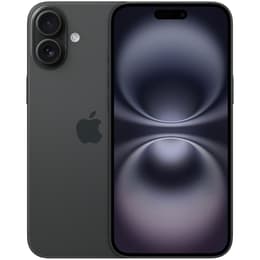
iPhone 16 Plus Vs Xiaomi Redmi Note 13 4G
- 1-year minimum warranty
- Free delivery on all orders
- Free 30-day returns
Differences at a glance
The iPhone 16 Plus (2024) and the Xiaomi Redmi Note 13 4G (2024) are modern large-screen smartphones designed for distinct usage needs and operating system ecosystems. While the iPhone 16 Plus operates on Apple's iOS platform and targets heavy multimedia users, the Xiaomi Redmi Note 13 4G runs on Android and caters to users looking for everyday utility. These two devices differ substantially in hardware sophistication, software environments, and intended market placement.
Available Models
Colour
Storage
Scores
Durability
When evaluating hardware longevity and software support, both devices offer distinct timelines for ongoing updates and daily endurance.
- Software support duration: The iPhone 16 Plus receives long-term system updates spanning many years, whereas the Xiaomi Redmi Note 13 4G provides a more limited software update cycle typical of its device class.
- Build durability: The iPhone 16 Plus incorporates reinforced glass and advanced water resistance ratings, while the Xiaomi Redmi Note 13 4G relies on standard splash resistance and protective front glass.
- Expected practical lifespan: The iPhone 16 Plus is built to maintain system fluidity over extended multi-year ownership, while the Xiaomi Redmi Note 13 4G suits shorter upgrade intervals or casual daily use.
Year of Release
2024
2024
Compatible with latest Update
Yes
Yes
Foldable
No
No
Performance
Daily operation and hardware efficiency vary noticeably between the two models during multitasking and application usage.
- System responsiveness: The iPhone 16 Plus handles demanding 3D games and intensive multitasking effortlessly, while the Xiaomi Redmi Note 13 4G manages routine browsing, messaging, and lighter apps reliably.
- Battery behavior: Both smartphones easily handle a standard day of mixed use, though charging speeds and internal power management vary based on the underlying hardware architecture.
- Storage capacity: The iPhone 16 Plus offers generous baseline storage configurations without expansion slots, whereas the Xiaomi Redmi Note 13 4G includes expandable storage support via microSD cards.
Screen quality
Visual output and display technology provide contrasting viewing experiences for media consumption and navigation.
- Display technology: Both devices feature vibrant OLED panels that deliver deep contrast levels and rich colors, though peak brightness capabilities differ significantly for outdoor readability.
- Refresh rate and smoothness: The Xiaomi Redmi Note 13 4G features a high refresh rate panel for smooth scrolling, while the iPhone 16 Plus utilizes a standard refresh rate paired with high pixel density and precise color calibration.
- Viewing area: Both models offer expansive screen real estate exceeding 6.5 inches, making them well-suited for watching videos and reading documents.
Resolution
1290 x 2796
1080 x 2400
Screen type
Super Retina XDR OLED
AMOLED
Audiovisual
Photography and recording setups cater to different content creation preferences and multimedia habits.
- Main camera capabilities: The iPhone 16 Plus utilizes a high-resolution primary sensor paired with advanced computational photography engines for detailed low-light shots, while the Xiaomi Redmi Note 13 4G features a high-megapixel main sensor suited for daylight photography.
- Video recording: The iPhone 16 Plus supports advanced cinematic recording modes and high-resolution stabilization, whereas the Xiaomi Redmi Note 13 4G handles standard definition video clips for casual sharing.
- Audio output: Stereo speaker configurations on both devices provide adequate sound for hands-free calls and casual media playback.
Main camera
48 megapixels
108 megapixels
Front camera
12 megapixels
16 megapixels
Miscellaneous
Physical design traits and connectivity options dictate how each device integrates into daily routines.
- Connectivity standards: The iPhone 16 Plus includes modern 5G connectivity and advanced wireless standards, while the Xiaomi Redmi Note 13 4G focuses on 4G network compatibility.
- Physical dimensions: Both phones share large form factors, but differ in weight distribution and hand feel due to distinct frame materials.
- Authentication features: The iPhone 16 Plus uses secure facial recognition technology, whereas the Xiaomi Redmi Note 13 4G incorporates an in-display fingerprint sensor.
Weight
199 g
175 g
Screen size (in)
6.7
6.67
Network
5G
4G
SIM card
eSIM
Dual Physical SIM
Carrier compatibility
Unlocked
Unlocked
Connector
USB-C (USB 2)
USB-C
What the community thinks
User feedback from online forums highlights distinct preferences for each device. Owners of the iPhone 16 Plus frequently praise its long battery endurance, smooth system animations, and robust build quality. Conversely, users of the Xiaomi Redmi Note 13 4G often commend its smooth display refresh rate and expandable storage flexibility. Common criticisms for the iPhone focus on its high ecosystem entry barrier, while users note that the Redmi model can exhibit stuttering during heavy multitasking.
Users prioritizing ecosystem integration, advanced video recording, and long-term software support will find the iPhone 16 Plus well-suited to their needs. Meanwhile, users prioritizing daily messaging, media streaming on a fluid display, and expandable storage may prefer the Xiaomi Redmi Note 13 4G. Buyers seeking a sustainable choice can explore quality-assured refurbished options to acquire either device with minimized environmental impact. Ultimately, the choice depends entirely on individual software preferences and daily workflow requirements.