
iPhone 16 Vs Xiaomi 13T

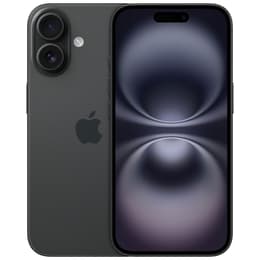
iPhone 16
iPhone 16
Starting at

Refurbished price:549.00

Versus €879.00 new

See options
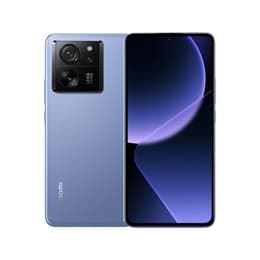
Xiaomi 13T
Xiaomi 13T
Starting at

Refurbished price:183.00

Versus €630.00 new

See options

Ratings

The iPhone 16, released in September 2024, and the Xiaomi 13T, launched in September 2023, represent distinct approaches to the modern smartphone experience. While the iPhone 16 operates on Apple's iOS ecosystem, the Xiaomi 13T runs on Android, offering users different software environments. Key differentiators between these two devices include their display refresh rates, camera configurations, and battery capacities, catering to varied user preferences.

Scores

Durability

When considering the long-term usability of a smartphone, durability and software support are crucial factors. Both devices offer robust build quality and extended software commitments, though their approaches differ.

  • Software Longevity: The iPhone 16, running on iOS 18 at launch, is expected to receive major iOS updates for approximately five to six years from its release, extending its functional lifespan. The Xiaomi 13T, initially on Android 13 with MIUI 14, has a commitment for four generations of Android OS upgrades and five years of security patches, meaning it will receive updates up to Android 17 and security support until 2028.
  • Physical Resilience: Both the iPhone 16 and the Xiaomi 13T feature an IP68 rating for dust and water resistance, allowing them to withstand submersion up to 6 meters for 30 minutes. The iPhone 16 incorporates a Ceramic Shield front for enhanced drop protection, while the Xiaomi 13T uses Gorilla Glass 5 to protect its display.
  • Practical Lifespan: Users can expect a practical lifespan of several years from both devices, with the iPhone 16 potentially offering a slightly longer period of major OS updates, while the Xiaomi 13T provides a strong commitment to both OS and security updates for its Android platform.

Year of Release

2024

2023

Compatible with latest Update

Yes

Yes

Foldable

No

No

Performance

The performance of a smartphone is central to the user experience, influencing everything from app responsiveness to multitasking capabilities and gaming fluidity. Both the iPhone 16 and Xiaomi 13T are equipped with capable processors designed for smooth operation.

  • Processing Power: The iPhone 16 is powered by Apple's A18 chip, featuring a 6-core CPU, a 5-core GPU, and a 16-core Neural Engine, which enables efficient handling of demanding applications and supports advanced AI features like Apple Intelligence. The Xiaomi 13T utilizes the MediaTek Dimensity 8200-Ultra processor, which provides robust performance for daily tasks, multitasking, and gaming.
  • Multitasking and Storage: The iPhone 16 comes with 8GB of RAM, facilitating smooth transitions between multiple open applications. It offers storage options of 128GB, 256GB, and 512GB. The Xiaomi 13T is available with either 8GB or 12GB of RAM, providing ample capacity for multitasking, and comes with 256GB of UFS 3.1 storage.
  • Battery Behavior: The iPhone 16 features a 3,561 mAh battery, generally providing a full day of use for most users, with an estimated 20-30% charge remaining. It supports up to 22 hours of offline video playback. The Xiaomi 13T is equipped with a larger 5000mAh battery, designed to last a full day of mixed usage, though heavy users might find themselves needing to charge in the evening. It also boasts 67W wired fast charging for quick power-ups.

Memory (GB)

8 GB

8 GB

Screen quality

The display is a primary interface for smartphone interaction, and both devices offer high-quality screens with distinct characteristics.

  • Display Technology and Clarity: The iPhone 16 features a 6.1-inch Super Retina XDR OLED display with a resolution of 2556 by 1179 pixels, resulting in a pixel density of 460 ppi, delivering sharp and detailed visuals. The Xiaomi 13T sports a larger 6.67-inch AMOLED display with a resolution of 2712 by 1220 pixels and a pixel density of 446 ppi, offering a spacious and clear viewing experience.
  • Brightness and Color: Both phones offer impressive brightness levels. The iPhone 16 provides 1000 nits typical brightness, 1600 nits peak HDR brightness, and up to 2000 nits peak brightness outdoors, ensuring good visibility in various lighting conditions. The Xiaomi 13T claims 1200 nits typical brightness and can reach up to 2600 nits peak brightness, contributing to vibrant and impactful visuals. Both displays support HDR content for enhanced dynamic range.
  • Refresh Rate and Smoothness: The iPhone 16 maintains a standard 60Hz refresh rate, providing a consistent visual experience. In contrast, the Xiaomi 13T offers a higher refresh rate of up to 144Hz, which can result in smoother scrolling and more fluid animations, particularly noticeable during gaming or fast-paced content.

Resolution

1179 x 2556

1220 x 2712

Screen type

Super Retina XDR OLED

AMOLED

Audiovisual

Camera capabilities are a significant consideration for many users, and both the iPhone 16 and Xiaomi 13T offer advanced systems for capturing photos and videos.

  • Rear Camera Systems: The iPhone 16 features an advanced dual-camera system, including a 48MP Fusion Main camera with an f/1.6 aperture and sensor-shift optical image stabilization, capable of 2x optical-quality zoom, alongside a 12MP Ultra Wide camera with a 120-degree field of view. The Xiaomi 13T boasts a triple camera system co-engineered with Leica, comprising a 50MP main camera with an f/1.9 aperture, a 50MP telephoto lens offering 2x optical zoom, and a 12MP ultrawide camera.
  • Photography Performance: The iPhone 16's main camera excels in capturing sharp and detailed images, with improved low-light performance and the ability to take macro shots using the ultra-wide lens. The Xiaomi 13T's Leica-tuned cameras are praised for their ability to capture high-quality photos with good detail and color reproduction, even in low-light conditions, and offer distinct color profiles.
  • Video Recording and Audio: Both devices support 4K video recording. The iPhone 16 can record 4K video at 24, 25, 30, or 60 frames per second. The Xiaomi 13T records 4K video at 30 frames per second, with good detail and color accuracy. Both phones offer good microphone quality for calls and recording, and the Xiaomi 13T includes dual speakers for an enhanced media consumption experience.

Main camera

48 megapixels

50 megapixels

Front camera

12 megapixels

20 megapixels

Miscellaneous

Beyond core features, several practical elements contribute to the overall user experience and differentiate these two smartphones.

  • Connectivity and Ports: The iPhone 16 supports 5G connectivity and features a USB-C port for charging and data transfer. It also includes Wi-Fi 6E. The Xiaomi 13T offers 5G connectivity, a USB-C port, and supports the newer Wi-Fi 7 standard, along with Bluetooth 5.4.
  • Biometric Security and Design: The iPhone 16 relies on Face ID for secure facial recognition. It features an aluminum frame and a Ceramic Shield front, with a color-infused glass back. The Xiaomi 13T incorporates an in-display optical fingerprint sensor for biometric authentication. Its design includes a glass back, with an option for an artificial leather back on the Alpine Blue variant.
  • Handling and Additional Features: The iPhone 16 has dimensions of 147.6 x 71.6 x 7.8 mm and weighs 170 grams, making it a compact and lightweight device. It introduces a new Camera Control button for quick access to camera functions. The Xiaomi 13T measures 162.2 x 75.7 x 8.49 mm and weighs 193 grams, offering a larger form factor.

Weight

170 g

193 g

Screen size (in)

6.1

6.67

Network

5G

5G

SIM card

eSIM

Dual Physical SIM

Carrier compatibility

Unlocked

Unlocked

Connector

USB-C (USB 2)

USB-C

User feedback for the iPhone 16 often highlights its seamless integration with the Apple ecosystem, consistent performance, and the reliability of its camera system for everyday photography. Users appreciate the introduction of Apple Intelligence for enhanced smart features. Some common criticisms revolve around the standard model retaining a 60Hz display, which some users find less fluid compared to higher refresh rate screens on competing devices. The Xiaomi 13T receives praise for its vibrant 144Hz AMOLED display, capable camera system co-engineered with Leica, and its commitment to extended software updates. Users often note its strong performance for its category. Criticisms sometimes point to its battery life, which, while generally good for a full day, may require evening charging for very heavy users.

Users prioritizing a compact device with a highly optimized operating system, robust security features like Face ID, and a strong ecosystem of apps and services will find the iPhone 16 well-suited to their needs. Its consistent camera performance and long-term software support make it a reliable choice for those who value stability and ease of use. Conversely, users who prioritize a larger, high-refresh-rate display for a more immersive visual experience, a versatile triple-camera system with distinct photographic styles, and the flexibility of the Android operating system may lean toward the Xiaomi 13T. Its fast charging capabilities and extended Android update policy also appeal to users seeking longevity and quick power-ups.

Both devices offer compelling features for different user profiles. For those considering a quality-assured refurbished option, both the iPhone 16 and Xiaomi 13T can be found, providing a sustainable choice for tech enthusiasts.


See all articles

Our recent comparisons






