
Compare models
iPhone 16 Vs iPhone Air
- 1-year minimum warranty
- Free delivery on all orders
- Free 30-day returns
Differences at a glance
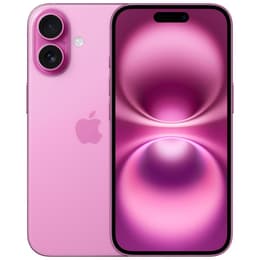
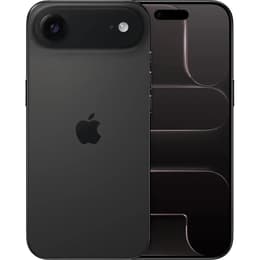
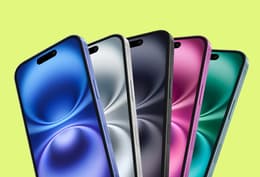
The iPhone 16 (2024) and the iPhone Air (2025) represent two different design philosophies within Apple's smartphone lineup. While the iPhone 16 serves as a standard, well-rounded device for everyday usage, the iPhone Air prioritizes an ultra-slim form factor and lightweight construction. Both devices run on modern versions of iOS and provide robust long-term software support, but they cater to entirely distinct user preferences through their structural and functional differences.
Available Models
Colour
Storage (GB)
Scores
Durability
When evaluating structural longevity and software support, both devices are built to receive operating system updates for many years following their respective release dates in 2024 and 2025.
- Software Support Duration: Both models benefit from extended software lifecycles, with the newer iPhone Air holding an extra year of future update potential due to its subsequent release timeline.
- Repairability and Build Integrity: Each device incorporates durable glass and metal materials designed to withstand regular handling, though their differing thicknesses influence internal repair layouts.
- Practical Lifespan: Both models maintain high system responsiveness that easily covers several years of daily routine usage without performance degradation.
Year of Release
2024
2025
Compatible with latest Update
Yes
Yes
Foldable
No
No
Performance
Underneath the surface, both smartphones handle intensive daily routines, multitasking, and demanding applications smoothly, though they utilize different processor generations and internal memory capacities.
- System Responsiveness: Both devices load apps quickly and handle background tasks smoothly, with the iPhone Air utilizing a higher-tier processing architecture for demanding workloads.
- Multitasking and Storage: The iPhone Air provides increased baseline memory options suited for heavy multi-app usage, while the iPhone 16 offers reliable standard configurations for everyday tasks.
- Battery Behavior: The iPhone 16 manages daily power efficiently for standard use, whereas the ultra-thin profile of the iPhone Air houses a smaller battery capacity that requires more mindful power management during heavy workdays.
Screen quality
Visual output differs notably in physical size and panel smoothness, giving each device a distinct media consumption profile.
- Display Technology: Both models feature bright OLED screens that deliver sharp text, deep blacks, and vivid colors for everyday viewing.
- Refresh Rate and Smoothness: The iPhone Air offers a higher refresh rate for smoother scrolling and animations, while the iPhone 16 uses a standard refresh rate.
- Viewing Area: The iPhone Air provides a slightly more expansive screen real estate compared to the standard sizing of the iPhone 16, balancing pocketability with immersive display space.
Resolution
1179 x 2556
2736x1260
Screen type
Super Retina XDR OLED
Super Retina XDR
Audiovisual
Photography and audio capabilities reflect the physical design choices made for each respective chassis.
- Camera Systems: The iPhone 16 includes a flexible dual-lens rear camera setup, whereas the ultra-slim iPhone Air streamlines photography down to a single high-resolution rear lens.
- Media Capture: Both devices excel at recording clear everyday videos and sharp photos, though the dual setup on the iPhone 16 offers greater framing versatility out of the box.
- Audio Output: The standard proportions of the iPhone 16 accommodate balanced stereo sound, while the ultra-thin build of the iPhone Air relies on a mono speaker setup for casual media playback.
Main camera
48 megapixels
48 megapixels
Front camera
12 megapixels
18 megapixels
Miscellaneous
Physical dimensions and connectivity standards highlight how these two phones fit into daily routines and travel environments.
- Handling and Weight: The iPhone Air emphasizes a remarkably thin and light profile, whereas the iPhone 16 offers a more traditional, easy-to-grip thickness.
- Connectivity and Ports: Both models utilize standard universal charging ports and support modern high-speed wireless networks for reliable connectivity.
- Durability Features: Each phone incorporates advanced scratch-resistant glass and water resistance ratings suitable for accidental exposure to elements.
Weight
170 g
165 g
Screen size (in)
6.1
6.5
Network
5G
5G
SIM card
Physical SIM + eSIM
eSIM
Carrier compatibility
Unlocked
Unlocked
Connector
USB-C (USB 2)
USB-C
What the community thinks
Choosing between these two models depends entirely on individual priorities regarding physical design and feature sets. Users prioritizing an ultra-slim, lightweight device that is easy to carry will find the iPhone Air well-suited to their needs. Conversely, users who prefer a traditional dual-lens camera system and balanced stereo audio often lean toward the iPhone 16.
Reviewers and community members frequently praise the iPhone Air for its breakthrough thinness, though some note trade-offs in battery life and speaker configuration. Meanwhile, the iPhone 16 receives positive feedback for being a reliable, well-rounded daily driver without design compromises. For those seeking a sustainable choice, a quality-assured refurbished option provides a practical way to acquire these technologies with a reduced environmental footprint.