

Google Pixel 8a Vs Xiaomi Redmi 14C

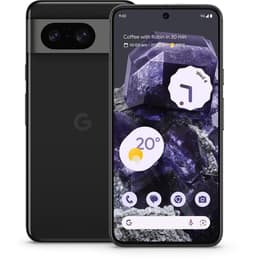
Google Pixel 8a
Google Pixel 8a
Starting at

Refurbished price:234.00

Versus €549.00 new

See options
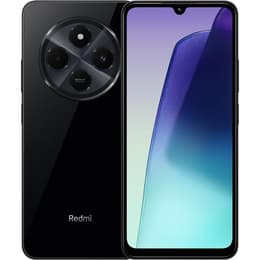
Xiaomi Redmi 14C
Xiaomi Redmi 14C
Starting at

Refurbished price:107.00

Versus €189.00 new

See options

Ratings

The Google Pixel 8a and the Xiaomi Redmi 14C are both smartphones released in 2024, targeting different segments of the market. The Pixel 8a, launched in May 2024, is part of Google's mid-range Pixel series, known for its software experience and camera capabilities. The Redmi 14C, introduced around August 2024, is Xiaomi's offering in the budget-friendly category, focusing on essential features and a large display. While both run on Android 14, they offer distinct user experiences shaped by their hardware and software philosophies.

Scores

Durability

When considering the longevity of these devices, several factors come into play, including their release timelines, software support, and physical resilience.

  • Release Timeline: The Google Pixel 8a was released in May 2024, while the Xiaomi Redmi 14C followed a few months later, around August 2024. This means the Pixel 8a has a slightly longer time in the market, but both are relatively current models.
  • Software Longevity: Google has committed to an ambitious seven years of Android and security updates for the Pixel 8a, offering extended software support. The Redmi 14C typically receives two major Android updates and four years of security patches, which is standard for its category. Users prioritizing long-term software updates will find the Pixel 8a more appealing.
  • Physical Durability: The Pixel 8a features Corning Gorilla Glass 3 for screen protection and an IP67 rating for dust and water resistance, indicating a good level of protection against environmental elements. The Redmi 14C generally comes with a glass front and a plastic frame, with some variants offering an IP52 rating for dust and splash resistance.

Year of Release

2024

2024

Compatible with latest Update

Yes

Yes

OS

Android

Android

Foldable

No

No

Performance

The performance of a smartphone is largely determined by its internal components, influencing how smoothly applications run and how efficiently it handles multitasking.

  • Processor Capabilities: The Google Pixel 8a is powered by Google's Tensor G3 processor, which is designed to handle demanding applications, advanced AI features, and provide a responsive user experience. The Xiaomi Redmi 14C, depending on the variant, uses either a MediaTek Helio G81 Ultra or a Qualcomm Snapdragon 4 Gen 2 processor. These processors are well-suited for everyday tasks like browsing, social media, and light gaming, but may show occasional stutters with heavy multitasking or graphically intensive applications.
  • Multitasking and Storage: The Pixel 8a comes with 8GB of RAM and offers 128GB or 256GB of internal storage, utilizing faster UFS 3.1 storage standards. The Redmi 14C is available with 4GB, 6GB, or 8GB of RAM and 128GB or 256GB of eMMC 5.1 storage, which is generally slower than UFS. The Pixel 8a's configuration allows for smoother app loading and more seamless switching between multiple applications.
  • Battery Behavior: The Pixel 8a houses a 4492 mAh battery, which typically provides a full day of use for many users, with optimized energy consumption. The Redmi 14C features a larger 5160 mAh battery, often delivering extended usage, sometimes lasting beyond a full day under moderate use.

Memory (GB)

8 GB

4 GB

Screen quality

The display is a primary interface for smartphone interaction, and differences in technology, resolution, and refresh rate significantly impact the visual experience.

  • Display Technology and Resolution: The Google Pixel 8a features a 6.1-inch OLED display with a resolution of 1080x2400 pixels (FHD+). This OLED technology provides deep blacks and vibrant colors, enhancing media consumption. The Xiaomi Redmi 14C has a larger 6.88-inch IPS LCD panel with a resolution of 720x1640 pixels (HD+). While larger, the lower resolution on the Redmi 14C may result in less sharp text and images compared to the Pixel 8a.
  • Refresh Rate and Brightness: Both devices offer a 120Hz refresh rate, contributing to smoother scrolling and a more fluid user interface. The Pixel 8a's display can reach a peak brightness of 2000 nits, making it highly visible even in bright outdoor conditions. The Redmi 14C's display typically reaches around 600 nits peak brightness, which is adequate for indoor use but may be less comfortable in direct sunlight.
  • Viewing Experience: The Pixel 8a's OLED panel offers superior contrast and color accuracy, ideal for users who prioritize visual fidelity for photos, videos, and detailed content. The Redmi 14C's larger screen size provides a more expansive viewing area, which can be beneficial for general browsing and media consumption, despite the lower resolution.

Resolution

1080 x 2400

720 x 1640

Screen type

OLED

IPS LCD

Audiovisual

Camera capabilities are a significant consideration for many users, and both smartphones offer distinct approaches to photography and videography.

  • Rear Camera System: The Google Pixel 8a features a dual-camera system on the rear, consisting of a 64MP main sensor and a 13MP ultrawide sensor with a 120-degree field of view. Google's computational photography is a key strength, enhancing image quality, especially in challenging lighting conditions and for features like portrait mode. The Xiaomi Redmi 14C typically includes a 50MP main camera and a 2MP auxiliary or depth sensor. The auxiliary lens is often more for decorative purposes or minor depth assistance rather than significant image contribution.
  • Front Camera and Video: For selfies and video calls, the Pixel 8a has a 13MP front camera with a wide field of view. It supports 4K video recording at 30/60fps. The Redmi 14C also features a 13MP front camera. Video recording on the Redmi 14C is generally capped at 1080p at 30fps for both front and rear cameras.
  • Photography Performance: Users often praise the Pixel 8a for its consistent image quality, natural colors, and strong low-light performance, making it a reliable choice for photography enthusiasts. The Redmi 14C's 50MP main camera can capture detailed photos in good lighting, but its performance in low light and overall image processing may not match the Pixel 8a.

Main camera

64 megapixels

50 megapixels

Front camera

13 megapixels

13 megapixels

Miscellaneous

Beyond the core specifications, various practical features and design elements contribute to the overall user experience.

  • Connectivity and Ports: The Google Pixel 8a supports 5G connectivity and Wi-Fi 6e, offering faster wireless speeds and improved network performance. It features a USB-C 3.2 port but lacks a 3.5mm headphone jack. The Xiaomi Redmi 14C typically supports 4G, with some variants offering 5G, and Wi-Fi 5. It includes a USB Type-C port and retains a 3.5mm headphone jack, which can be a convenience for users with wired audio accessories.
  • Security and Biometrics: Both devices offer modern biometric security options. The Pixel 8a includes an in-display fingerprint sensor and face unlock. The Redmi 14C features a side-mounted fingerprint sensor and face unlock.
  • Design and Handling: The Pixel 8a has dimensions of 152.1 x 72.7 x 8.9 mm and weighs 188 grams, offering a more compact and lighter form factor. The Redmi 14C is a larger device, measuring around 171.9 x 77.8 x 8.2 mm and weighing between 204-211 grams, which might appeal to users who prefer a larger screen and a more substantial feel.

Weight

188 g

207 g

Screen size (in)

6.1

6.88

Network

5G

4G

SIM card

Physical SIM + eSIM

Dual Physical SIM

Carrier compatibility

Unlocked

Unlocked

The Google Pixel 8a and the Xiaomi Redmi 14C cater to different user priorities, each excelling in specific areas. Users often praise the Pixel 8a for its exceptional camera performance, clean Android experience, and the promise of extensive software updates. Its Tensor G3 processor ensures smooth performance for most tasks, and the OLED display offers vibrant visuals. Some common criticisms include its charging speed and the presence of noticeable screen bezels.

The Xiaomi Redmi 14C is frequently lauded for its large display, impressive battery life, and overall value. Its 120Hz refresh rate provides a fluid experience, and the inclusion of a 3.5mm headphone jack is a plus for many. However, some users note that its display resolution is lower, and the processor, while capable for daily use, may not be as powerful for demanding applications.

Users prioritizing a top-tier camera, long-term software support, and a compact, premium feel will find the Google Pixel 8a well-suited to their needs. Conversely, users who value a larger screen, extended battery life, and a more budget-conscious option for everyday tasks may lean toward the Xiaomi Redmi 14C. Both devices offer compelling features, and choosing between them depends on individual preferences for performance, display quality, and photographic capabilities. For those looking for an eco-friendly alternative, both models are available as quality-assured refurbished options, providing a sustainable choice for consumers.


See all articles

Our recent comparisons