

Compare models

iPhone 16 Vs iPhone 17 Pro Max

  • 1-year minimum warranty
  • Free delivery on all orders
  • Free 30-day returns
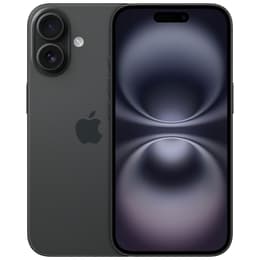
iPhone 16
Starting at

Refurbished price:€568.00

Versus €1,029.00 new

See options
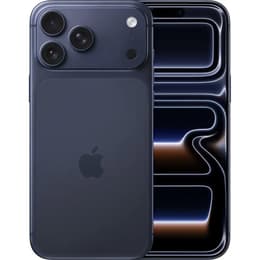
iPhone 17 Pro Max
Starting at

Refurbished price:€1,054.00

Versus €1,489.00 new

See options

Differences at a glance

The iPhone 16 (2024) and the iPhone 17 Pro Max (2025) represent different tiers and release years within Apple's smartphone lineup. While the iPhone 16 focuses on a lightweight, standard everyday experience, the iPhone 17 Pro Max serves as a high-end large-screen device equipped with advanced creative capabilities and expanded capabilities. Both models operate on Apple's software ecosystem, providing streamlined user interfaces and multi-year platform support.

Choosing between these two options involves weighing form factor, hardware capacity, and everyday usability requirements rather than just looking at generation numbers.

Available Models

Colour

Storage

Scores

Durability

Both smartphones provide robust long-term utility, though their release schedules and hardware specifications shape different software longevity expectations.

  • Release timeline and support: The iPhone 17 Pro Max benefits from an extended software support window due to its newer release year, while the iPhone 16 has been on the market slightly longer.
  • Build durability: Both models incorporate sturdy front glass protections, though the newer pro-tier device introduces advanced material treatments designed for heightened scratch and impact resistance.
  • Expected lifespan: Both devices maintain high residual value and structural durability, making quality-assured refurbished options a sustainable choice for consumers wanting flagship longevity without environmental waste.

Year of Release

2024

2025

Compatible with latest Update

Yes

Yes

Foldable

No

No

Performance

System responsiveness and hardware capabilities vary significantly to accommodate everything from casual browsing to intensive resource utilization.

  • Multitasking and memory: The iPhone 17 Pro Max features a higher RAM configuration designed to handle heavy background tasks and complex machine learning features smoothly, whereas the iPhone 16 handles standard multitasking and everyday apps efficiently.
  • Battery behavior: The larger physical footprint of the iPhone 17 Pro Max accommodates a higher-capacity battery that easily sustains extended heavy use, while the compact iPhone 16 requires more regular daily recharging under heavy workloads.
  • Storage configurations: Both models offer ample internal storage tiers, with the pro-tier device providing higher maximum capacities tailored for users with large media libraries.

Screen quality

Display characteristics differ notably in physical dimensions, refresh technology, and maximum panel output.

  • Display size and panel type: The iPhone 17 Pro Max offers a much larger viewing canvas with high refresh rate technology for smoother scrolling, while the iPhone 16 uses a smaller, pocket-friendly display.
  • Brightness and outdoor visibility: Both models incorporate advanced OLED technology ensuring deep contrast levels, though the newer pro variant reaches higher peak brightness thresholds for comfortable viewing under direct sunlight.
  • Viewing experience: Users consuming extensive media or editing visual content on the go will find the expansive screen real estate of the larger model advantageous.

Resolution

1179 x 2556

2868x1320

Screen type

Super Retina XDR OLED

Super Retina XDR

Audiovisual

Optics and media playback capabilities are tailored to different levels of photography and audio enthusiasts.

  • Camera versatility: The iPhone 17 Pro Max includes a triple-lens system with an extended optical zoom range, whereas the iPhone 16 relies on a versatile dual-lens arrangement suited for everyday captures.
  • Low-light and video performance: Both devices deliver reliable low-light imagery, but the pro model adds advanced raw video formats and professional recording controls for content creators.
  • Audio output: Stereo speakers on both models offer clear sound reproduction for calls and casual media consumption, with the larger chassis of the pro variant producing deeper acoustic resonance.

Main camera

48 megapixels

48 megapixels

Front camera

12 megapixels

18 megapixels

Miscellaneous

Physical dimensions and connectivity standards reflect the distinct design goals of each device category.

  • Size and weight: The iPhone 16 is significantly lighter and more compact for one-handed use, while the iPhone 17 Pro Max is a heavier, larger device that prioritizes screen space.
  • Connectivity: Both models support modern high-speed cellular networks and local wireless standards, ensuring fast data transfers and reliable pairing with accessories.
  • Port interface: Both devices utilize a universal reversible charging port, aligning with modern accessory standards for data transfer and power delivery.

Weight

170 g

233 g

Screen size (in)

6.1

6.9

Network

5G

5G

SIM card

eSIM

eSIM

Carrier compatibility

Unlocked

Unlocked

Connector

USB-C (USB 2)

USB-C

What the community thinks

User feedback on community forums highlights distinct preferences for each device. Owners of the iPhone 16 frequently praise its lightweight handling, comfortable pocket size, and reliable daily performance for standard tasks. Conversely, users of the iPhone 17 Pro Max emphasize satisfaction with its exceptional battery longevity, expansive screen space, and versatile multi-lens camera system.

Users prioritizing a compact, lightweight device that handles everyday tasks efficiently will find the iPhone 16 well-suited to their needs. Meanwhile, users prioritizing maximum screen real estate, advanced photography tools, and extended battery endurance will lean toward the iPhone 17 Pro Max. Selecting either model as a quality-assured refurbished option provides a sustainable choice that aligns with eco-friendly purchasing habits. Ultimately, the right choice depends on whether physical portability or maximum hardware capability takes priority in daily routines.