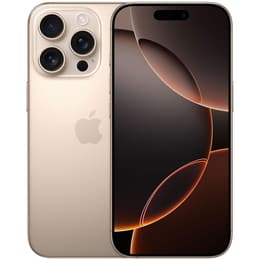


iPhone 15 Vs iPhone 16 Pro

iPhone 15
iPhone 15
Starting at

Refurbished price:399.00

Versus €879.00 new

See options
iPhone 16 Pro
iPhone 16 Pro
Starting at

Refurbished price:669.00

Versus €1,239.00 new

See options

Ratings

The iPhone 15, released in September 2023, and the iPhone 16 Pro, launched in September 2024, represent different tiers within Apple's smartphone lineup. While both devices operate on Apple's iOS platform, the iPhone 16 Pro introduces a more advanced internal processor, an upgraded camera system, and a display with a higher refresh rate, catering to users with more demanding needs.

Scores

Durability

When considering the long-term usability of a smartphone, factors such as release timeline, software support, and physical resilience are important.

  • Release Timeline and Software Longevity: The iPhone 15 was released in September 2023, while the iPhone 16 Pro followed in September 2024. Both devices launched with recent versions of iOS (iOS 17 for the iPhone 15 and iOS 18 for the iPhone 16 Pro) and are expected to receive several years of software updates. The iPhone 16 Pro, being a year newer, will likely receive software support for a longer duration, extending its practical lifespan by an additional year compared to the iPhone 15.
  • Physical Durability: Both the iPhone 15 and iPhone 16 Pro feature Ceramic Shield front covers, which Apple states offer enhanced protection against drops. Both models also carry an IP68 rating for dust and water resistance, indicating they can withstand submersion in up to 6 meters of water for up to 30 minutes. The iPhone 16 Pro utilizes a titanium frame, which is noted for its durability and lighter weight compared to the aluminum and glass construction of the iPhone 15.
  • Repairability: While specific repairability scores can vary, both iPhone models are designed with internal components that require specialized tools and expertise for repair. The availability of parts and repair services typically remains strong for several years post-release.

Performance

The performance of a smartphone is largely determined by its internal processing capabilities and how efficiently it manages tasks and power.

  • Processing Power and Responsiveness: The iPhone 15 is equipped with a capable processor that handles everyday applications, multitasking, and moderate gaming smoothly. The iPhone 16 Pro, featuring a newer and more advanced processor, offers faster CPU and GPU speeds. This translates to smoother operation for demanding applications, more fluid gaming experiences, and enhanced efficiency for complex tasks like video editing or advanced augmented reality applications.
  • Multitasking and Storage: The iPhone 15 comes with 6GB of RAM, which is sufficient for typical multitasking needs. The iPhone 16 Pro includes 8GB of RAM, providing more headroom for running numerous applications simultaneously and switching between them without noticeable delays. Both models offer various internal storage options, ranging from 128GB up to 512GB for the iPhone 15, and up to 1TB for the iPhone 16 Pro, allowing users to choose based on their storage requirements.
  • Battery Behavior: User experiences indicate that the iPhone 15 generally provides reliable battery life for a full day of moderate use. The iPhone 16 Pro, however, shows improvements in battery longevity, with some users reporting it can handle heavy usage, including travel days and extensive photography, without requiring a midday charge. This suggests the iPhone 16 Pro offers a more extended usage time, particularly for intensive activities.

Memory (GB)

6 GB

8 GB

Screen quality

The display is a primary interface for smartphone interaction, and differences in technology and specifications can significantly impact the visual experience.

  • Display Technology and Clarity: Both the iPhone 15 and iPhone 16 Pro feature Super Retina XDR OLED displays, which deliver deep blacks, vibrant colors, and excellent contrast. The iPhone 15 has a 6.1-inch display with a resolution of 2556 x 1179 pixels, resulting in a pixel density of approximately 460 PPI. The iPhone 16 Pro features a slightly larger 6.3-inch display with a resolution of 2622 x 1206 pixels, maintaining a similar pixel density of 460 PPI for sharp visuals.
  • Brightness and Outdoor Visibility: Both models offer a typical brightness of up to 1,000 nits, a peak HDR brightness of up to 1,600 nits, and a peak outdoor brightness of up to 2,000 nits, ensuring good visibility in various lighting conditions. The iPhone 16 Pro may offer slightly enhanced brightness in certain scenarios due to newer panel technology.
  • Refresh Rate and Smoothness: A notable difference lies in the refresh rate. The iPhone 15 has a standard 60Hz refresh rate, which provides a smooth experience for most users. The iPhone 16 Pro, however, features ProMotion technology with an adaptive refresh rate that can go up to 120Hz. This higher refresh rate results in noticeably smoother scrolling, more fluid animations, and a more responsive feel, particularly beneficial for gaming and fast-paced content. The iPhone 16 Pro also includes an Always-On display feature, which is not present on the iPhone 15.

Audiovisual

The camera systems on both devices offer advanced photographic capabilities, though the Pro model includes more specialized features.

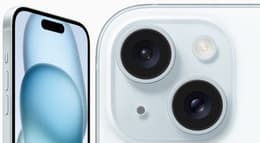
  • Main Camera System: The iPhone 15 features a dual-camera system with a 48-megapixel main camera and a 12-megapixel ultra-wide camera. It can achieve 2x "optical" zoom by cropping the high-resolution main sensor. The iPhone 16 Pro boasts a triple-camera setup, including a 48-megapixel main camera, a 48-megapixel ultra-wide camera, and a 12-megapixel telephoto camera with 5x optical zoom. This dedicated telephoto lens provides superior optical zoom capabilities compared to the iPhone 15's digital zoom.
  • Low-Light and Video Performance: Both phones offer strong low-light performance, with the iPhone 16 Pro showing improvements due to its larger sensors and better processing. Both are capable of high-quality video recording, including 4K at 60 frames per second. The iPhone 16 Pro further enhances video capabilities with features like ProRes and Log video recording, offering more flexibility for professional videographers.
  • Additional Camera Features: The iPhone 15 supports next-generation portrait mode, allowing users to adjust focus after a photo is taken. The iPhone 16 Pro introduces a new Camera Control button, which can be customized for quick access to camera functions and can launch the camera app instantly. The iPhone 16 Pro's ultra-wide camera also offers macro photography capabilities, which are not available on the iPhone 15.

Miscellaneous

Beyond core performance and display, several practical features contribute to the overall user experience and device utility.

  • Connectivity Options: Both devices support 5G cellular connectivity and Bluetooth 5.3. The iPhone 15 features Wi-Fi 6, providing reliable wireless connections. The iPhone 16 Pro upgrades to Wi-Fi 7, offering potentially faster and more stable wireless connections, particularly in environments with compatible routers. Both also include Ultra-Wideband (UWB) for enhanced spatial awareness and device finding.
  • Ports and Charging: Both the iPhone 15 and iPhone 16 Pro utilize a USB-C port, marking a shift from previous Lightning connectors. However, the iPhone 15's USB-C port operates at USB 2.0 speeds (up to 480 Mb/s), while the iPhone 16 Pro's USB-C port supports faster USB 3 speeds (up to 10 Gb/s), enabling quicker data transfers for large files and external accessories. Both support wireless charging, including MagSafe and Qi2.
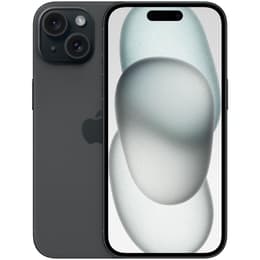
  • Design and Sensors: The iPhone 15 features an aluminum design with a color-infused glass back, while the iPhone 16 Pro uses a more premium titanium frame with a textured matte glass back. The iPhone 15 measures 147.6 x 71.6 x 7.80 mm and weighs 171 grams. The iPhone 16 Pro is slightly larger and heavier, measuring 149.6 x 71.5 x 8.25 mm and weighing 199 grams. Both feature Face ID for secure authentication. The iPhone 16 Pro also includes a LiDAR scanner for enhanced augmented reality experiences and improved low-light focusing, and an Action Button for customizable shortcuts.

Screen size (in)

6.1

6.3

Network

5G

5G

SIM card

eSIM

eSIM

Carrier compatibility

Unlocked

Unlocked

The iPhone 15 and iPhone 16 Pro offer distinct experiences tailored to different user priorities. The iPhone 15, released in 2023, provides a robust and capable smartphone experience with a vibrant OLED display, a versatile dual-camera system with a 48MP main sensor, and reliable performance for everyday tasks. Users generally praise its improved camera capabilities over previous base models and the adoption of the Dynamic Island.

The iPhone 16 Pro, launched in 2024, builds upon this foundation with several key enhancements. It features a larger, more fluid 120Hz ProMotion display, a more powerful internal processor for demanding applications, and a significantly upgraded camera system that includes a dedicated telephoto lens and an improved ultra-wide camera. User feedback often highlights the iPhone 16 Pro's extended battery life, especially during heavy usage, and the benefits of its advanced camera features for photography and videography.

Users prioritizing a smooth visual experience, advanced camera capabilities, and extended software longevity will find the iPhone 16 Pro well-suited to their needs. Its ProMotion display and more versatile camera system make it a strong choice for content creators, mobile gamers, and those who value the latest technological advancements. Conversely, users seeking a highly capable smartphone for general use, with excellent display quality and a strong camera for everyday photos, may find the iPhone 15 to be a practical option. It still offers a premium experience and benefits from Apple's consistent software support.

For those considering either device, exploring quality-assured refurbished options can provide an eco-friendly alternative, allowing access to these technologies while making a sustainable choice.


See all articles

Our recent comparisons