

Galaxy S24 FE Vs Xiaomi 12T Pro

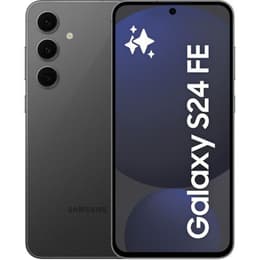
Galaxy S24 FE
Galaxy S24 FE
Starting at

Refurbished price:329.00

Versus €991.15 new

See options
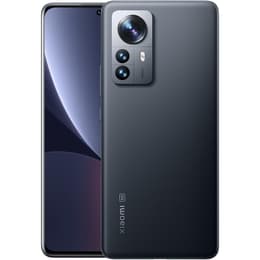
Xiaomi 12T Pro
Xiaomi 12T Pro
Starting at

Refurbished price:201.00

Versus €1,199.00 new

See options

Ratings

The Samsung Galaxy S24 FE (2024) and the Xiaomi 12T Pro (2022) are smartphones designed to offer advanced features to a broad audience. While the Galaxy S24 FE is a more recent release, the Xiaomi 12T Pro, launched two years prior, brought high-end specifications to its segment. Both devices operate on the Android platform, but they differ significantly in their software support timelines and some core hardware capabilities, influencing their long-term usability and overall experience.

Scores

Durability

The expected practical lifespan of a smartphone is heavily influenced by its release date and the manufacturer's commitment to software updates.

  • Release Timeline: The Galaxy S24 FE was released in late 2024, making it a newer device compared to the Xiaomi 12T Pro, which launched in October 2022. This two-year difference directly impacts their remaining support cycles.
  • Software Longevity: Samsung offers an extensive seven generations of OS upgrades and seven years of security updates for the Galaxy S24 FE, ensuring it remains current and secure until approximately 2031. In contrast, the Xiaomi 12T Pro is slated to receive three major Android OS updates, reaching Android 15, and four years of security patches from its launch, meaning its official software support concludes sooner.
  • Physical Durability: The Galaxy S24 FE features IP68 water and dust resistance, along with Gorilla Glass Victus+ on the back, offering a higher degree of protection against environmental elements and accidental damage. The Xiaomi 12T Pro provides IP53 dust and splash resistance and Gorilla Glass 5 on the front, which offers a more basic level of protection.

Year of Release

2024

2022

OS

Android

Android

Foldable

No

No

Performance

Performance in daily use, from app handling to demanding tasks, is a key differentiator between these two devices.

  • Processing Power: The Galaxy S24 FE is equipped with an Exynos 2400e processor, which is an underclocked version of a flagship-tier chipset, providing robust performance for demanding applications and multitasking. The Xiaomi 12T Pro utilizes the Snapdragon 8+ Gen 1, a powerful processor from its release year, capable of handling intensive gaming and heavy workloads efficiently.
  • Multitasking and Storage: Both phones offer configurations with 8GB of RAM, with the Xiaomi 12T Pro also having a 12GB RAM option, which can provide a slight edge in managing numerous applications simultaneously. Storage options for both devices include 128GB and 256GB, with the S24 FE also offering a 512GB variant, catering to users with larger storage needs.
  • System Responsiveness: Users can expect smooth navigation and quick app loading on both devices. The Galaxy S24 FE benefits from its newer processor architecture, potentially offering more optimized performance for future software iterations and AI features. The Xiaomi 12T Pro, while still powerful, might show its age in comparison to newer chipsets when running the most graphically intensive games or complex AI tasks.

Memory (GB)

8 GB

8 GB

Screen quality

The visual experience is central to smartphone usage, and both devices offer high-quality displays with distinct characteristics.

  • Display Technology and Size: The Galaxy S24 FE features a 6.7-inch Dynamic AMOLED 2X display, while the Xiaomi 12T Pro has a 6.67-inch AMOLED screen. Both technologies deliver deep blacks and vibrant colors, but Samsung's Dynamic AMOLED 2X often provides enhanced color accuracy and dynamic range.
  • Resolution and Clarity: The Galaxy S24 FE offers a Full HD+ resolution of 1080x2340 pixels. The Xiaomi 12T Pro steps up with a 1.5K resolution of 1220x2712 pixels, providing a slightly sharper image for detailed content.
  • Brightness and Smoothness: Both phones feature a 120Hz refresh rate for fluid scrolling and animations. The Galaxy S24 FE boasts a peak brightness of 1900 nits, which can be beneficial for outdoor visibility, though real-world tested brightness may vary. The Xiaomi 12T Pro also offers high brightness, supporting HDR10+ and Dolby Vision for an enhanced viewing experience.

Resolution

1080 x 2340

1220 x 2712

Screen type

Dynamic AMOLED 2X

AMOLED

Audiovisual

Camera capabilities are a significant factor for many users, and these phones approach photography with different strengths.

  • Main Camera System: The Galaxy S24 FE includes a 50MP primary camera with optical image stabilization (OIS), a 12MP ultrawide lens, and an 8MP telephoto lens with 3x optical zoom. The Xiaomi 12T Pro stands out with a 200MP primary camera featuring OIS, complemented by an 8MP ultrawide and a 2MP macro lens. The 200MP sensor on the Xiaomi can capture immense detail, especially in well-lit conditions.
  • Low-Light and Video: Both devices are capable of capturing detailed images in various lighting conditions, with OIS aiding in stability for both photos and videos. The Galaxy S24 FE supports 8K video recording at 30 frames per second. The Xiaomi 12T Pro also offers 8K video recording, but at 24 frames per second.
  • Front Camera and Audio: For selfies, the Galaxy S24 FE has a 10MP front camera, while the Xiaomi 12T Pro features a 20MP front camera. Both phones offer decent microphone quality for calls and recording. The Xiaomi 12T Pro includes dual speakers with Dolby Atmos for an immersive audio experience.

Miscellaneous

Beyond the core specifications, several practical features contribute to the overall user experience.

  • Connectivity and Ports: Both smartphones support 5G connectivity and modern Wi-Fi standards. They both utilize a USB Type-C port for charging and data transfer.
  • Biometric Security: Both the Galaxy S24 FE and the Xiaomi 12T Pro incorporate in-display fingerprint sensors for secure and convenient unlocking. The Galaxy S24 FE also integrates advanced Galaxy AI features, enhancing various aspects of user interaction.
  • Design and Handling: The Galaxy S24 FE has dimensions of 162 x 77.3 x 8 mm and weighs 213g. The Xiaomi 12T Pro measures 163.1 x 75.9 x 8.6 mm and weighs 205g. The S24 FE features an aluminum frame and Gorilla Glass Victus+ on the back, while the 12T Pro has a plastic frame with Gorilla Glass 5 on the front and a glass back.

Weight

213 g

204 g

Screen size (in)

6.7

6.67

Network

5G

5G

SIM card

Dual Physical SIM

Dual Physical SIM

Carrier compatibility

Unlocked

Unlocked

The Samsung Galaxy S24 FE and the Xiaomi 12T Pro cater to users with differing priorities, reflecting their respective release timelines and design philosophies. Users often praise the Galaxy S24 FE for its extended software support, which ensures long-term usability and access to the latest Android features and security updates. Its IP68 rating and more robust build materials also contribute to a sense of durability and longevity. The integration of Galaxy AI features is another frequently highlighted advantage, offering enhanced smart functionalities.

On the other hand, the Xiaomi 12T Pro is often lauded for its rapid charging capabilities, with its 120W system allowing for very quick battery top-ups. Its 200MP main camera is a significant talking point, appealing to users who prioritize capturing highly detailed images. The slightly higher screen resolution also provides a sharper visual experience for some content.

Users prioritizing long-term software support, advanced AI features, and a higher level of water and dust resistance may find the Galaxy S24 FE to be a more suitable choice. Its newer release also means it will remain current for a longer period. Conversely, individuals who value extremely fast charging, a high-resolution main camera, and a slightly sharper display for media consumption might lean towards the Xiaomi 12T Pro. Both devices offer strong performance for everyday tasks and demanding applications. Considering a quality-assured refurbished option for either model can be an eco-friendly alternative, providing access to these features while extending the product's lifecycle.


See all articles

Our recent comparisons