

Compare models

iPhone 16 Pro Vs iPhone Air

  • 1-year minimum warranty
  • Free delivery on all orders
  • Free 30-day returns
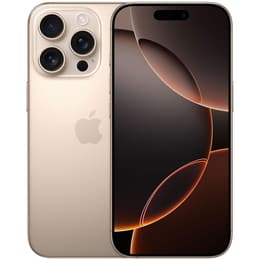
iPhone 16 Pro
Starting at

Refurbished price:660.00

Versus €1,239.00 new

See options
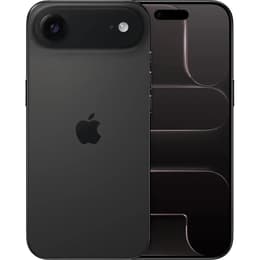
iPhone Air
Starting at

Refurbished price:739.00

Versus €1,339.00 new

See options

Differences at a glance

The iPhone 16 Pro (2024) and the iPhone Air (2025) represent two distinct directions in modern smartphone engineering, balancing traditional powerhouse functionality with an ultra-lightweight, slim profile. While both smartphones run on Apple's ecosystem and feature advanced system software, they cater to very different physical preferences and capability priorities.

The iPhone 16 Pro focuses on a comprehensive multi-lens toolset and traditional sturdy build, whereas the iPhone Air prioritizes an extraordinarily thin frame and lightweight portability.

Available Models

Colour

Storage (GB)

Scores

Durability

When examining longevity and physical endurance, both smartphones offer robust build materials and extended software support timelines, though their physical construction creates different expectations for daily wear and tear.

  • Release timeline and software lifespan: The iPhone 16 Pro debuted in late 2024, while the iPhone Air followed a year later in late 2025. Both models receive long-term software updates from Apple, though the iPhone Air benefits from an extra year of initial support due to its newer release window.
  • Build and repair considerations: The iPhone 16 Pro utilizes a thicker titanium and textured glass chassis designed for high resistance to impacts. In contrast, the iPhone Air features a remarkably thin profile constructed to maintain structural rigidity, presenting unique internal layouts that influence repairability and long-term durability.
  • Expected practical lifespan: Both devices maintain high processing headroom that ensures smooth daily operation across several years of use, making them durable long-term companions for everyday tasks.

Year of Release

2024

2025

Compatible with latest Update

Yes

Yes

Foldable

No

No

Performance

Underneath their exteriors, both models deliver swift operational capabilities, handling intensive applications, heavy multitasking, and complex software demands with notable ease.

  • System responsiveness and multitasking: Both devices manage rapid app launching, fluid multitasking, and resource-heavy mobile gaming smoothly, aided by high-capacity memory configurations that keep background processes active without stuttering.
  • Battery behavior: The iPhone 16 Pro provides solid daily power delivery for standard workloads, while the iPhone Air's ultra-slim chassis houses a more compact battery capacity that may require mindful power management or more frequent recharging during intensive use days.
  • Storage configurations: Both models offer scalable storage tiers starting from generous baseline capacities, accommodating extensive photo libraries, offline media, and large document collections.

Screen quality

Display engineering across both devices delivers sharp, bright, and fluid visual experiences tailored for media consumption, reading, and outdoor visibility.

  • Display technology and clarity: Both smartphones utilize advanced OLED panels with high pixel densities, producing deep black levels, accurate color reproduction, and sharp text rendering for all types of content.
  • Brightness and outdoor viewing: High peak brightness capabilities on both models ensure that menus, maps, and photographs remain easily legible even under direct sunlight.
  • Refresh rate and smoothness: Dynamic refresh technology scaling up to 120Hz provides fluid scrolling through web pages and responsive motion during gaming or system navigation on both handsets.

Resolution

1206 x 2622

2736x1260

Screen type

LTPO Super Retina XDR OLED

Super Retina XDR

Audiovisual

The imaging and multimedia suites highlight a core philosophical split between these two devices, balancing multi-lens versatility against minimalist design.

  • Camera system configuration: The iPhone 16 Pro features a triple-lens arrangement including dedicated ultra-wide and optical telephoto zoom capabilities. The iPhone Air streamlines this approach with a single, high-resolution primary lens setup built into a raised camera plateau.
  • Media and audio output: Both devices capture crisp, stabilized video and detailed everyday photography, while their internal microphone and speaker arrays deliver clear call audio and balanced media playback for daily entertainment.
  • Low-light photography: Image processing software on both models preserves detail and manages exposure effectively in dim lighting conditions, though the multi-lens system on the Pro provides greater framing flexibility.

Main camera

48 megapixels

48 megapixels

Front camera

12 megapixels

18 megapixels

Miscellaneous

Practical daily features, connectivity standards, and physical dimensions define how each smartphone feels and integrates into daily routines.

  • Connectivity and ports: Both smartphones support modern 5G networks, high-speed Wi-Fi standards, and universal USB-C ports for charging and wired data transfer.
  • Physical dimensions and handling: The iPhone 16 Pro offers a traditional, weighted feel in the hand with its standard thickness, whereas the iPhone Air stands out for its record-breaking thinness and significantly reduced weight, making it exceptionally light to carry.
  • Security and sensors: Both models rely on facial recognition for secure authentication and device unlocking, alongside precise location tracking and motion sensors.

Weight

199 g

165 g

Screen size (in)

6.3

6.5

Network

5G

5G

SIM card

eSIM

eSIM

Carrier compatibility

Unlocked

Unlocked

Connector

USB-C (USB 3)

USB-C

What the community thinks

Community discussions and user feedback indicate that the iPhone 16 Pro receives praise for its versatile multi-lens camera system and reliable all-day battery endurance, though some users note its heavier physical footprint. Conversely, owners of the iPhone Air frequently highlight its striking, featherlight profile and comfortable pocketability, while noting that its slim battery capacity and single-lens layout require some compromises for heavy media creators.

Users prioritizing maximum photographic versatility, optical zoom range, and robust battery endurance will find the iPhone 16 Pro well-suited to their needs. Meanwhile, users prioritizing maximum portability, a featherlight feel, and a minimalist design will lean toward the iPhone Air as a quality-assured refurbished option from Back Market that aligns with sustainable technology choices.

Weighing these practical differences against personal daily routines will guide you toward the right model for your specific requirements.