

Compare models
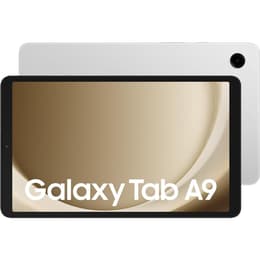
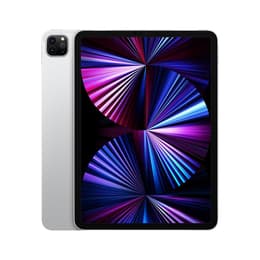
Galaxy Tab A9 (8.7", 2023) Vs iPad Pro (2021, M1 series)
- 1-year minimum warranty
- Free delivery on all orders
- Free 30-day returns
Differences at a glance
The Samsung Galaxy Tab A9 (2023) and the Apple iPad Pro (2021) represent distinct approaches to tablet computing, balancing compact portability with high-end capability. Released in different years and targeting different segments, the Galaxy Tab A9 functions as a compact, everyday media viewer running the Android operating system, while the 2021 iPad Pro operates on iPadOS as a heavy-duty processing powerhouse. While both devices serve browsing and streaming needs, their underlying hardware, software ecosystems, and intended use cases set them apart significantly.
Available Models
Colour
Storage
Scores
Durability
When examining longevity and ongoing support, these two tablets follow different tracks based on their release years and hardware tiers.
- Release timeline and software support: The iPad Pro arrived in 2021 with a focus on long-term flagship viability, meaning it benefits from Apple's extended software update timeline. The Galaxy Tab A9, launched in 2023 as an entry-level device, operates on a shorter expected software support window.
- Repairability and physical endurance: Both tablets feature solid construction, though professional repair options and spare parts availability tend to favor the broader service network established for Apple's high-end line.
- Practical lifespan: Users can expect the iPad Pro to maintain performance for demanding tasks over a longer stretch, whereas the Galaxy Tab A9 is well-suited for several years of reliable everyday communication and streaming tasks.
Year of Release
2023
2021
Compatible with latest Update
Yes
Yes
OS
Android
iPadOS
Performance
Performance capabilities differ substantially, reflecting the gap between an entry-level processor configuration and a desktop-class architecture.
- Processor capabilities and responsiveness: The iPad Pro handles intensive multitasking, advanced video editing, and complex graphic rendering smoothly. The Galaxy Tab A9 manages web browsing, media streaming, and casual apps reliably, though it is not designed for heavy professional workflows.
- Storage and memory options: The iPad Pro provides extensive RAM configurations and high-capacity storage tiers suitable for large media files, while the Galaxy Tab A9 offers modest internal storage paired with expandable micro-SD storage support.
- Battery behavior: Both tablets generally last through a full day of mixed moderate use, though heavy gaming or professional rendering on the iPad Pro will deplete its power source more rapidly.
Screen quality
Visual output and display technologies offer entirely different viewing experiences depending on whether the priority is casual media consumption or high-end color accuracy.
- Display technology and clarity: The iPad Pro utilizes advanced mini-LED or liquid retina panels depending on the size, offering exceptional contrast, deep blacks, and high peak brightness. The Galaxy Tab A9 features a standard TFT LCD panel with practical clarity for reading and video playback.
- Refresh rate and smoothness: The iPad Pro supports high refresh rate technology for fluid scrolling and responsive stylus interaction. The Galaxy Tab A9 relies on a standard refresh rate suited for basic navigation.
- Size and viewing ergonomics: The Galaxy Tab A9 offers a compact 8.7-inch form factor that is easy to hold in one hand, while the iPad Pro provides a larger workspace ideal for split-screen multitasking and detailed visual work.
Resolution
800 x 1340
2388 x 1668
Screen type
TFT LCD
Liquid Retina display
Pixel density
180ppp
264ppp
Audiovisual
Multimedia capabilities, including camera setups and audio output, highlight the divergence between a productivity device and a portable media viewer.
- Camera systems: The iPad Pro features a versatile multi-lens rear camera array alongside a wide-angle front camera designed for augmented reality and video conferencing features. The Galaxy Tab A9 includes single front and rear cameras adequate for basic snapshots and video calls.
- Speaker output: The iPad Pro delivers a robust multi-speaker setup with wide sound projection for media consumption. The Galaxy Tab A9 provides dual speakers that handle casual video audio clearly at moderate volumes.
- Microphone performance: Both models incorporate clear microphone arrays that pick up voices effectively for online meetings and voice commands.
Miscellaneous
Physical design choices and connectivity standards shape how each tablet integrates into daily routines and travel setups.
- Connectivity and ports: The iPad Pro utilizes a versatile Thunderbolt and USB-C port alongside optional cellular connectivity, whereas the Galaxy Tab A9 relies on a standard USB-C port and Wi-Fi or optional cellular configurations.
- Security sensors: The iPad Pro uses facial recognition technology for secure unlocking, while the Galaxy Tab A9 relies on face unlock and passcode entry without specialized biometric hardware.
- Build and handling: The Galaxy Tab A9 is lightweight and pocket-friendly due to its smaller footprint, while the iPad Pro maintains a slim aluminum profile that prioritizes screen real estate over one-handed portability. Refurbished models of these devices provide an eco-friendly alternative for consumers seeking quality-assured electronics.
Weight
332 g
466 g
Width
21,1 cm
17.85 cm
Height
12,47 cm
24.76 cm
Depth
0,8 cm
0.59 cm
Screen size (in)
8.7
11
Network
Wi-Fi
Wi-Fi
Carrier compatibility
Unlocked
Without SIM Port
What the community thinks
User feedback from online communities highlights distinct patterns of satisfaction for each of these tablets. Owners of the Galaxy Tab A9 frequently praise its compact size, simple interface, and convenient portability for reading or traveling light. Common discussions note that it serves well as a secondary screen or a basic media device, though heavy users sometimes note limitations during intensive multitasking. Conversely, iPad Pro users frequently emphasize the speed of the processor, the visual clarity of the display, and the capability to replace laptop workflows for certain creative tasks, while noting that the device carries a larger physical footprint.
When deciding between the two, users prioritizing a lightweight, highly portable device for casual reading and streaming will find the Galaxy Tab A9 well-suited to their needs. On the other hand, users prioritizing heavy multitasking, professional creative apps, and a high-end visual display will naturally lean toward the iPad Pro. Choosing a quality-assured refurbished option from Back Market allows buyers to acquire either of these reliable tablets as a sustainable choice that reduces electronic waste without compromising on performance standards.