

iPhone 15 Pro Vs iPhone 16 Pro

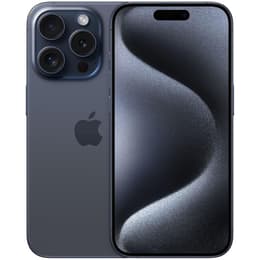
iPhone 15 Pro
iPhone 15 Pro
Starting at
€524.00
€1,239.00 new
See options
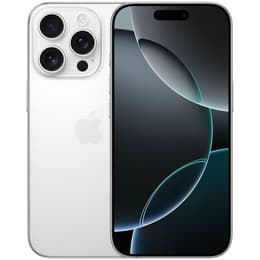
iPhone 16 Pro
iPhone 16 Pro
Starting at
€654.00
€1,239.00 new
See options

Ratings

The iPhone 15 Pro, released in September 2023, and the iPhone 16 Pro, which launched in September 2024, represent two consecutive generations of Apple's advanced smartphone line. Both devices run on Apple's iOS platform, offering a consistent user experience with a focus on powerful performance and a robust ecosystem. The iPhone 16 Pro builds upon its predecessor with key upgrades in display size, processor capability, and battery enhancements.

Scores

Durability

When considering the practical lifespan of these devices, both the iPhone 15 Pro and iPhone 16 Pro offer strong longevity, though the newer model naturally gains an edge in extended software support and some durability aspects.

  • Release Timeline and Software Support: The iPhone 15 Pro, launched in September 2023, typically receives a minimum of five years of major iOS updates, potentially extending further. For instance, it is compatible with iOS 26 released in September 2025. The iPhone 16 Pro, released in September 2024, benefits from a later launch, meaning its software support cycle will extend at least one year longer, having launched with iOS 18 and currently compatible with iOS 26.1.
  • Repairability and Durability Features: Both models feature a durable titanium frame and Ceramic Shield front cover, offering good resistance to drops and scratches. The iPhone 15 Pro initially received a mixed repairability score due to Apple's parts pairing, but updates improved its score to 7 out of 10, allowing for some part replacements and in-device calibration. While specific repairability scores for the iPhone 16 Pro are not widely detailed, it continues Apple's design philosophy.
  • Expected Practical Lifespan: Both devices are designed for extended use, with the iPhone 16 Pro offering a slightly longer overall practical lifespan due to its newer processor and an additional year of guaranteed major software updates, ensuring compatibility with future apps and security protocols.

Year of Release

2023

2024

Compatible with latest Update

Yes

Yes

Foldable

No

No

Performance

Performance is a cornerstone for both Pro models, with each generation introducing advancements that enhance user experience, especially for demanding applications and multitasking.

  • Processor Capabilities and System Responsiveness: The iPhone 15 Pro is powered by the A17 Pro chip, which features a 6-core CPU, 6-core GPU, and a 16-core Neural Engine. This processor provides substantial power for high-end gaming, professional applications, and smooth everyday operation. The iPhone 16 Pro advances with the A18 Pro chip, featuring an upgraded 6-core CPU, 6-core GPU, and an enhanced 16-core Neural Engine with 35 trillion operations per second (TOPS), specifically designed for significant AI-related performance and overall processing speed improvements of 15 to 20 percent compared to the A17 Pro.
  • Battery Behavior and Efficiency: The iPhone 15 Pro houses a 3274 mAh battery, providing up to 23 hours of video playback, though some users report needing a power bank for heavy daily use. The iPhone 16 Pro features a larger 3577 mAh battery, offering up to 27 hours of video playback. It also benefits from stacked battery technology and an improved thermal design, including a graphene thermal system and metal battery casing, aiming for greater energy density and better heat management, which translates to more sustained performance and improved real-world battery life.
  • Storage and RAM: Both models are available with storage options ranging from 128GB to 1TB, catering to various user needs for apps, photos, and videos. Both the iPhone 15 Pro and iPhone 16 Pro come equipped with 8GB of RAM, ensuring smooth multitasking and efficient handling of demanding applications.

Memory

8 GB

8 GB

Screen quality

The display is a critical component for smartphone interaction, and both the iPhone 15 Pro and iPhone 16 Pro offer premium visual experiences with distinct differences in size and subtle enhancements.

  • Display Technology and Size: The iPhone 15 Pro features a 6.1-inch Super Retina XDR OLED display with a 2556x1179 pixel resolution, delivering vibrant colors and deep blacks. The iPhone 16 Pro upgrades to a larger 6.3-inch Super Retina XDR OLED display with a 2622x1206 pixel resolution, providing more screen real estate. Both maintain a sharp pixel density of 460 pixels per inch.
  • Brightness and Refresh Rate: Both devices feature ProMotion technology with adaptive refresh rates up to 120Hz, ensuring smooth scrolling and responsive visuals. They offer a typical maximum brightness of 1000 nits and a peak HDR brightness of 1600 nits, reaching 2000 nits peak brightness outdoors. The iPhone 16 Pro also introduces a 1 nit minimum brightness, which can be beneficial for low-light viewing and the Always-On display.
  • Design and Viewing Experience: The iPhone 16 Pro features visibly thinner bezels than its predecessor, contributing to a more immersive, edge-to-edge viewing experience despite being slightly larger. Both models include the Dynamic Island and Always-On display functionality.

Resolution

1179 x 2556

1206 x 2622

Screen type

LTPO Super Retina XDR OLED

LTPO Super Retina XDR OLED

Audiovisual

Both iPhone Pro models are celebrated for their sophisticated camera systems, designed to capture high-quality photos and videos, with the iPhone 16 Pro introducing notable enhancements to its telephoto and ultra-wide capabilities.

  • Camera System Capabilities: The iPhone 15 Pro features a Pro camera system with a 48MP Main camera, a 12MP Ultra Wide camera, and a 12MP 3x Telephoto lens. The iPhone 16 Pro elevates this with a 48MP Main camera, an upgraded 48MP Ultra Wide lens with a 120-degree field of view optimized for low-light, and a 12MP 5x Telephoto camera. The 5x optical zoom, previously exclusive to the larger Pro Max, is standard on both iPhone 16 Pro models.
  • Photography Performance: Both excel in everyday and low-light photography, offering vivid image rendering, high detail, and good control over image noise. The iPhone 15 Pro's 3x telephoto is praised for its versatility in common zoom ranges. The iPhone 16 Pro's upgraded 48MP Ultra Wide camera improves detail capture, and the 5x telephoto provides greater reach for distant subjects.
  • Video Recording and Features: Both devices offer exceptional video quality with features like 4K recording, HDR, ProRes video, Cinematic mode, and impressive stabilization. The iPhone 16 Pro further enhances video capabilities with the option for 4K 120fps Dolby Vision video recording. A new 'Camera Control' button on the iPhone 16 Pro offers easier access to camera tools like zoom and depth of field.

Main camera

48 megapixels

48 megapixels

Front camera

12 megapixels

12 megapixels

Miscellaneous

Beyond core performance and display, several practical elements differentiate the iPhone 15 Pro and iPhone 16 Pro, impacting daily convenience and user interaction.

  • Connectivity and Port Types: Both iPhones utilize a USB-C port, a move from the proprietary Lightning connector, offering broader compatibility with accessories. The iPhone 15 Pro supports Wi-Fi 6E and Bluetooth 5.3. The iPhone 16 Pro upgrades to Wi-Fi 7, providing faster and more reliable wireless connections, alongside similar Bluetooth capabilities. Both models also support 5G connectivity.
  • Physical Design and Handling: The iPhone 15 Pro measures 146.6 x 70.6 x 8.25mm and weighs 187g, offering a compact Pro experience. The iPhone 16 Pro is slightly larger at 149.6 x 71.5 x 8.25mm and weighs 199g, a consequence of its increased screen size. While the dimensions have grown, the iPhone 16 Pro compensates with thinner bezels for an optimized screen-to-body ratio. Both feature the Action Button, customizable for quick access to various functions.
  • Security and Build Materials: Both devices employ Face ID for secure authentication. They feature a durable titanium alloy frame, offering improved resistance compared to previous stainless steel models. Both are rated IP68 for dust and water resistance, capable of submersion up to 6 meters for 30 minutes.

Weight

187 g

199 g

Screen size (in)

6.1

6.3

Network

5G

5G

SIM card

Physical SIM + eSIM

eSIM

Carrier compatibility

Unlocked

Unlocked

Connector

USB-C

USB-C (USB 3)

Evaluating the iPhone 15 Pro and iPhone 16 Pro reveals a consistent progression in Apple's Pro smartphone line. Users of the iPhone 15 Pro frequently praise its compact size, robust performance from the A17 Pro chip, and its capable camera system, particularly the 3x telephoto lens and excellent video recording. Criticisms sometimes noted include varied battery performance for heavy users and the initial challenges with repairability due to parts pairing, though software updates have improved the latter.

The iPhone 16 Pro, while a newer model, was superseded in late 2025. It is lauded for its larger 6.3-inch display with thinner bezels, offering a more expansive visual experience. Its A18 Pro chip brings significant performance gains, especially for AI-driven tasks, and its enhanced battery capacity coupled with improved thermal management addresses a key user concern from prior generations. The upgraded camera system, particularly the 48MP Ultra Wide and the standard 5x telephoto zoom, is a substantial advantage for photography enthusiasts.

For users seeking a highly capable Pro iPhone with a slightly more compact form factor and excellent all-around performance, the iPhone 15 Pro remains a strong choice. It's well-suited for professionals and everyday users who appreciate a premium experience without needing the absolute latest in display size or specialized camera reach. Individuals prioritizing the latest technological advancements in display size, battery life, and camera zoom capabilities, or those who frequently engage with AI-intensive applications, will find the iPhone 16 Pro a more fitting option.

Considering quality-assured refurbished options for either model presents an eco-friendly alternative, allowing consumers to access these advanced devices sustainably. Whether you prioritize a proven performer or the latest enhancements in a slightly larger format, both models offer a premium smartphone experience, making the decision primarily about individual feature preferences and how long you intend to keep the device.