

Compare models
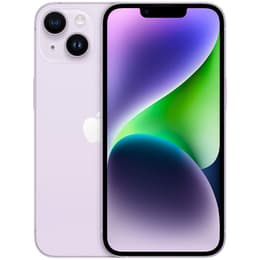
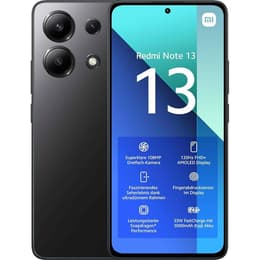
iPhone 14 Vs Xiaomi Redmi Note 13 4G
- 1-year minimum warranty
- Free delivery on all orders
- Free 30-day returns
Differences at a glance
The iPhone 14 (2022) and the Xiaomi Redmi Note 13 4G (2024) are popular smartphones catering to different user ecosystems and operational preferences. While the iPhone 14 operates on Apple's tightly integrated iOS platform, the Xiaomi Redmi Note 13 4G runs on Android with custom software layering. Each device approaches everyday mobile technology through distinct structural and engineering choices.
Available Models
Colour
Storage (GB)
Scores
Durability
Durability and structural longevity vary between these two devices based on software support lifecycles and build materials.
- Software updates: The iPhone 14 receives extended operating system updates typical of Apple's flagship lineup, whereas the Xiaomi Redmi Note 13 4G follows a standard Android security update schedule.
- Build protection: The iPhone 14 incorporates specialized front glass protection and higher water resistance ratings, while the Xiaomi model features standard splash resistance and reinforced display glass.
- Repairability: Both devices offer standard component replacement avenues through certified service networks, though overall lifespan depends heavily on battery health preservation over years of use.
Year of Release
2022
2024
Compatible with latest Update
Yes
Yes
OS
iOS
Android
Foldable
No
No
Performance
System responsiveness and daily multitasking capabilities differ significantly due to internal hardware variations.
- App loading and multitasking: The iPhone 14 handles demanding mobile games and heavy productivity applications smoothly with minimal stutter, while the Xiaomi Redmi Note 13 4G manages routine tasks, web browsing, and casual applications reliably.
- Battery behavior: The Xiaomi model features a large capacity cell designed to easily stretch through a full day of mixed use, whereas the iPhone 14 relies on software efficiency to sustain daily battery performance.
- Storage configurations: Both options provide multiple internal storage tiers to accommodate varying media and application storage requirements without external expansion.
Screen quality
Visual output and display technologies shape the primary media consumption experience on both handsets.
- Display panel technology: Both devices utilize vibrant panel technologies that deliver deep contrast levels and rich color saturation for viewing photos or streaming video content.
- Refresh rate smoothness: The Xiaomi Redmi Note 13 4G incorporates a high refresh rate panel for smoother scrolling through menus, while the iPhone 14 utilizes a standard refresh rate paired with responsive touch recognition.
- Outdoor legibility: Peak brightness capabilities on both screens allow for clear legibility under direct sunlight, though maximum output thresholds differ during peak outdoor usage.
Resolution
1170 x 2532
1080 x 2400
Screen type
Super Retina XDR OLED
AMOLED
Audiovisual
Photography and audio recording hardware cater to distinct content creation and media playback preferences.
- Camera systems: The iPhone 14 prioritizes balanced dual-lens processing for consistent low-light imagery, while the Xiaomi Redmi Note 13 4G employs a high-resolution main sensor alongside supplementary lenses for varied framing options.
- Video recording: The iPhone 14 supports advanced stabilization modes and cinematic recording features, whereas the Xiaomi model handles standard high-definition video capture for casual sharing.
- Audio output: Stereo speaker configurations on both smartphones deliver clear sound for hands-free calls and media playback, though external speaker depth varies between models.
Main camera
12 megapixels
108 megapixels
Front camera
12 megapixels
16 megapixels
Miscellaneous
Physical dimensions and connectivity standards define how each device integrates into daily routines.
- Connectivity standards: The iPhone 14 provides cellular connectivity alongside modern wireless protocols, while the Xiaomi Redmi Note 13 4G focuses strictly on 4G network bands and local wireless standards.
- Biometric security: Apple utilizes facial recognition sensors for unlocking and authentication, whereas the Xiaomi device relies on a responsive under-display optical fingerprint scanner.
- Physical handling: Weight distribution and body dimensions differ, with the iPhone offering a compact form factor and the Xiaomi presenting a larger display footprint for expanded viewing space.
Weight
150 g
175 g
Screen size (in)
6.1
6.67
Network
5G
4G
SIM card
eSIM
Dual Physical SIM
Carrier compatibility
Unlocked
Unlocked
Connector
Lightning
USB-C
What the community thinks
User feedback highlights distinct preferences for each device across community forums. Owners of the iPhone 14 frequently praise its smooth system navigation, reliable camera consistency, and long-term software support. Conversely, users of the Xiaomi Redmi Note 13 4G often commend its smooth display refresh rate, generous battery longevity, and overall everyday practicality.
Users prioritizing seamless ecosystem integration, advanced video capture, and prolonged software longevity may lean toward the iPhone 14. Meanwhile, users who value a high refresh rate screen, extended battery endurance, and everyday utility will find the Xiaomi Redmi Note 13 4G well-suited to their needs. For those exploring a quality-assured refurbished option as an eco-friendly alternative, models like the iPhone 14 offer a sustainable choice that reduces electronic waste without compromising on performance standards.