
iPhone

Compare models
Differences at a glance
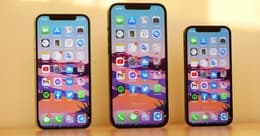
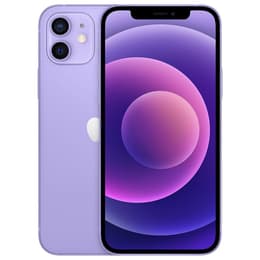
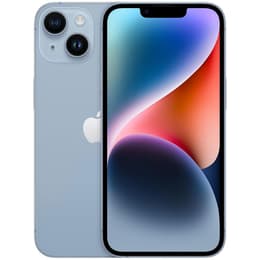
The iPhone 12, released in October 2020, and the iPhone 14, launched in September 2022, are both core models in Apple's smartphone lineup. While they share a similar design language and operate on the same iOS ecosystem, the iPhone 14 introduces enhancements in camera technology, internal performance, and battery longevity. Both devices offer a familiar user experience, running on Apple's intuitive operating system, but cater to slightly different user priorities through their respective advancements.
Colour
Storage
When considering the practical lifespan of these devices, several factors come into play, including their release timelines, software support, and repairability.
Year of Release
Compatible with latest Update
OS
Foldable
The performance of a smartphone is crucial for daily tasks, app usage, and overall responsiveness. Both the iPhone 12 and iPhone 14 deliver capable performance, but the newer model offers a noticeable step up.
The visual experience on a smartphone is largely defined by its display, and both the iPhone 12 and iPhone 14 offer high-quality screens with some key distinctions.
Resolution
Screen type
The camera systems on both iPhones are capable, but the iPhone 14 brings notable advancements for photography and videography enthusiasts.
Main camera
Front camera
Beyond the core features, several practical elements differentiate the iPhone 12 and iPhone 14, impacting daily usability and connectivity.
Weight
Screen size (in)
Network
SIM card
Carrier compatibility
Connector
User sentiment often highlights the iPhone 14's improved battery life and enhanced camera capabilities as significant advantages over its predecessor. Many users upgrading from older models appreciate the noticeable improvements in photo quality, especially in low light, and the extended usage time on a single charge. [20, 30, 32, 33] Some discussions suggest that while the iPhone 14 offers a more refined experience, the iPhone 12 still holds its own for general use, particularly if coming from a much older device. [36, 42] Criticisms for both often revolve around the 60Hz display, which some users find less fluid compared to higher refresh rate screens on other smartphones. [34, 35, 42]
For users prioritizing extended software support, a more capable camera system with advanced features, and better battery endurance, the iPhone 14 presents a compelling option. Its additional safety features also add a layer of reassurance. Conversely, individuals seeking a device that still offers strong performance for everyday tasks, a high-quality display, and a slightly lighter build, may find the iPhone 12 to be a suitable choice. Both models represent reliable options within the Apple ecosystem, and considering a quality-assured refurbished option for either can be a sustainable choice for consumers.