
iPhone 14 Vs iPhone 15

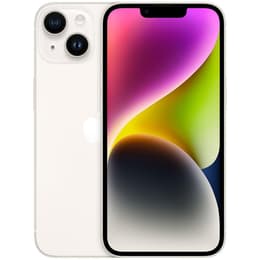
iPhone 14
iPhone 14
Starting at
€313.00
€759.00 new
See options
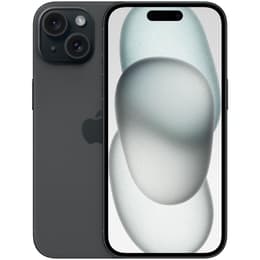
iPhone 15
iPhone 15
Starting at
€438.00
€879.00 new
See options

Ratings

The iPhone 14 (released September 2022) and iPhone 15 (released September 2023) are both 6.1-inch smartphones from Apple, running on the iOS operating system. While they share core functionalities and a familiar design, the iPhone 15 introduces notable enhancements in its camera system, processor, display features, and port connectivity, reflecting a generational update from its predecessor.

Scores

Durability

When considering longevity, both devices offer a robust Apple ecosystem experience, though their release dates create a difference in anticipated software support and repairability.

  • Software Support: The iPhone 15, being a year newer, is expected to receive software updates for approximately one year longer than the iPhone 14. For instance, while the iPhone 14 launched with iOS 16, the iPhone 15 launched with iOS 17.
  • Practical Lifespan: Users can anticipate 5-6 years of major iOS updates for the iPhone 14, with the iPhone 15 extending this timeline, offering a slightly longer period of access to the latest features and security patches.
  • Repairability: The iPhone 14 initially received a favourable repairability score from iFixit due to its internal redesign allowing easier back glass access, but this was later downgraded to a 'do not recommend' score of 4/10 due to strict parts pairing requirements that limited third-party repairs. The iPhone 15, while also featuring easier back glass access, initially faced similar parts pairing criticisms. However, iFixit later re-evaluated and promoted the iPhone 15 series to a 7/10 score in October 2024, noting improvements that allow users to install and calibrate parts from other identical iPhones using free, on-device software.

Year of Release

2022

2023

Compatible with latest Update

Yes

Yes

OS

iOS

iOS

Foldable

No

No

Performance

Performance distinctions between these two models stem primarily from their internal processors and how they manage power and multitasking.

  • Processor Capabilities: The iPhone 14 is powered by the A15 Bionic chip, which capably handles everyday tasks and most demanding applications. The iPhone 15 features the A16 Bionic chip, which was previously in the iPhone 14 Pro models, offering an incremental boost in processing power and graphical performance.
  • System Responsiveness: For typical daily usage, both phones deliver smooth responsiveness. However, the A16 Bionic in the iPhone 15 provides a slight edge for more intensive tasks like high-end mobile gaming or complex video editing, ensuring the device remains swift for a longer duration.
  • Battery Behavior: The iPhone 15 includes a slightly larger battery capacity (3349 mAh) compared to the iPhone 14 (3279 mAh). In practical terms, while both offer reliable all-day battery life for average users, the iPhone 15 may provide a marginally longer usage time on a single charge under similar conditions due to its slightly more efficient processor and larger battery.
  • Storage Options: Both models offer identical storage configurations of 128GB, 256GB, and 512GB, providing ample space for apps, photos, and media.

Memory

6 GB

6 GB

Screen quality

Both the iPhone 14 and iPhone 15 feature vibrant OLED displays, but the newer model introduces several enhancements for an improved visual experience.

  • Display Technology and Brightness: Both devices utilise 6.1-inch Super Retina XDR OLED displays, delivering deep blacks and vivid colours. However, the iPhone 15 significantly boosts brightness, offering a typical maximum of 1000 nits and a peak outdoor brightness of up to 2000 nits, compared to the iPhone 14's 800 nits typical and 1200 nits peak HDR. This makes the iPhone 15 display considerably more readable in bright sunlight.
  • Resolution and Clarity: Both phones maintain a pixel density of approximately 460 pixels per inch (ppi), ensuring sharp text and images. The iPhone 15 has a resolution of 2556x1179 pixels, a minor increase from the iPhone 14's 2532x1170 pixels.
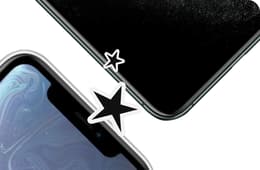
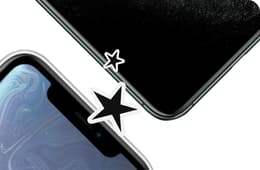
  • New Display Feature: A key differentiator is the inclusion of the Dynamic Island on the iPhone 15, which replaces the traditional notch. This interactive area adapts to show alerts, notifications, and ongoing background activities in an intuitive way. The refresh rate remains at 60Hz for both models.

Resolution

1170 x 2532

1179 x 2556

Screen type

Super Retina XDR OLED

Super Retina XDR OLED

Audiovisual

The camera system sees one of the most significant upgrades in the iPhone 15, offering enhanced capabilities for photography and videography compared to its predecessor.

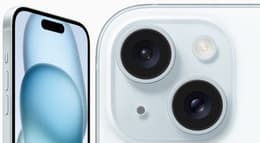
  • Main Camera System: The iPhone 14 features a dual 12-megapixel main and ultra-wide camera system. The iPhone 15 upgrades to an advanced dual-camera system with a 48-megapixel main camera (f/1.6 aperture) that uses pixel binning to produce detailed 24-megapixel photos by default, along with a 12-megapixel ultrawide camera. This 48MP sensor also enables a 2x telephoto zoom option, offering more versatility without a dedicated telephoto lens.
  • Photography Performance: The iPhone 15 generally delivers improved detail and sharpness in good lighting and better low-light performance before Night mode engages, thanks to its larger sensor and enhanced Photonic Engine processing. Both phones offer Night mode and advanced HDR, but the iPhone 15's larger sensor provides a noticeable improvement in capturing finer textures and reducing noise.
  • Video Recording Quality: Both models are capable of 4K video recording at up to 60 frames per second, with Cinematic mode available for depth-of-field effects. The iPhone 15 provides 4K Cinematic mode and Action mode for stable footage. User reviews suggest the iPhone 15 offers more substantial video improvements, particularly for serious video shooters.
  • Front Camera: Both devices include a 12-megapixel TrueDepth front camera, capable of good quality selfies and video calls, with the iPhone 15 offering a slightly wider f/1.9 aperture for improved low-light performance.

Main camera

12 megapixels

48 megapixels

Front camera

12 megapixels

12 megapixels

Miscellaneous

Beyond core features, several practical aspects differentiate the iPhone 14 and iPhone 15, impacting daily convenience and user interaction.

  • Connectivity and Ports: Both models support 5G cellular connectivity, Wi-Fi 6, and Bluetooth for wireless communication. A key change is the iPhone 15's adoption of a USB-C port for charging and data transfer, replacing the Lightning port found on the iPhone 14. This brings greater universal compatibility with accessories. Both, however, transfer data at USB 2.0 speeds.
  • Build Materials and Design: The iPhone 14 features an aluminum frame and a standard glass back, protected by a Ceramic Shield front. The iPhone 15 introduces a new colour-infused glass back with a matte finish and contoured edges, maintaining the Ceramic Shield front and aluminum design. It also incorporates more recycled materials, aligning with a sustainable choice.
  • Weight and Dimensions: The iPhone 14 measures 146.7 x 71.5 x 7.8 mm and weighs 172 grams. The iPhone 15 is marginally taller and wider at 147.6 x 71.6 x 7.8 mm, and slightly lighter at 171 grams, making them very similar in hand.
  • Additional Features: Both phones offer crucial safety features like Crash Detection and Emergency SOS via satellite, providing peace of mind in unforeseen circumstances. The iPhone 15 uniquely integrates the Dynamic Island, which offers a more dynamic and interactive notification and alert experience compared to the static notch on the iPhone 14.

Weight

172 g

171 g

Screen size (in)

6.1

6.1

Network

5G

5G

SIM card

Physical SIM + eSIM

Physical SIM + eSIM

Carrier compatibility

Unlocked

Unlocked

Connector

Lightning

USB-C (USB 2)

Users frequently praise the iPhone 14 for its reliable performance, robust camera system for everyday photography, and dependable battery life. Common criticisms, particularly after the iPhone 15's release, often revolved around its similarity to the preceding iPhone 13 in terms of processor and the initial controversy surrounding its repairability due to parts pairing policies. The iPhone 15, on the other hand, receives commendation for its significantly upgraded main camera, the versatile Dynamic Island, brighter display, and the move to a more universally compatible USB-C port. While its ultrawide camera has sometimes been noted as being less impressive than the main sensor, the overall consensus highlights it as a solid iterative upgrade. Its improved repairability score in late 2024 is also a positive point for users seeking easier maintenance.

For users who prioritise cost-effectiveness and already find the iPhone 14's performance and camera capabilities more than sufficient for their daily needs, it remains a strong choice. Students and casual users who require a dependable device for communication, social media, and light photography will find the iPhone 14 perfectly capable. However, for those seeking a more modern user experience, enhanced photography capabilities, improved outdoor screen visibility, and the convenience of USB-C, the iPhone 15 offers compelling upgrades. Professionals and keen photographers who appreciate subtle refinements in image quality and the Dynamic Island's integrated alerts will find the iPhone 15 better suited. Travelers might also appreciate the USB-C for universal charging. Choosing a quality-assured refurbished option for either model presents an eco-friendly and practical way to enjoy these devices, making an informed and sustainable decision that aligns with your specific usage requirements.