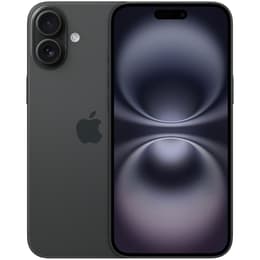

iPhone

Compare models
Differences at a glance
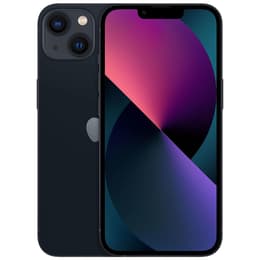
The iPhone 13, released in September 2021, and the iPhone 16 Plus, launched in September 2024, represent different generations within Apple's smartphone lineup. While both operate on the iOS platform, the three-year gap between their releases brings notable distinctions in display size, processing power, camera capabilities, and overall feature sets. This comparison will highlight these practical differences to help users determine which device best suits their needs.
Colour
Storage
The practical lifespan of a smartphone is heavily influenced by its release timeline and the duration of software support it receives.
Year of Release
Performance differences between these two models are substantial, reflecting the generational advancements in mobile processing technology.
The visual experience on these two iPhones differs primarily in size, brightness, and certain display technologies.
Camera systems have seen significant advancements between these two generations, impacting both still photography and video recording.
Beyond core performance and display, several practical elements differentiate these two devices in daily use.
Screen size (in)
Network
SIM card
Carrier compatibility
Connector
Choosing between the iPhone 13 and iPhone 16 Plus involves weighing the benefits of a newer device against the continued capabilities of an older, still-supported model. Users frequently praise the iPhone 13 for its reliable performance for everyday tasks, its compact size, and its capable camera system, which remains satisfactory for most casual photography needs. Common criticisms often revolve around its 60Hz display and the Lightning port, which is becoming less common in the broader tech landscape.
The iPhone 16 Plus, on the other hand, is often lauded by users for its significantly larger and brighter display, its substantially more powerful processor that handles demanding applications with ease, and its advanced camera system that delivers superior image quality and features. The inclusion of the Dynamic Island, the customizable Action button, and the shift to USB-C are also frequently highlighted as major improvements. Some users might find its larger size less convenient for one-handed use, but this is a trade-off for the expansive screen experience.
Users prioritizing the latest technology, a larger display for media and productivity, superior camera performance, and the longest possible software support window will find the iPhone 16 Plus well-suited to their needs. Its advanced features, including Apple Intelligence, make it a more future-proof device. Conversely, users who prefer a more compact phone, primarily use their device for general communication and social media, and do not require the absolute latest in processing power or camera technology may still find the iPhone 13 to be a perfectly functional option. For those considering either model, exploring quality-assured refurbished options can provide an eco-friendly alternative, allowing access to these devices while extending their lifecycle.