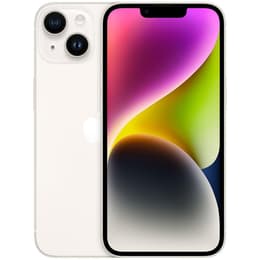


iPhone 13 mini Vs iPhone 14

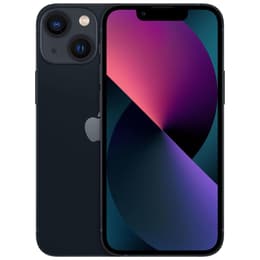
iPhone 13 mini
iPhone 13 mini
Starting at

Refurbished price:220.00

Versus €829.00 new

See options
iPhone 14
iPhone 14
Starting at

Refurbished price:287.25

Versus €759.00 new

See options

Ratings

The iPhone 13 Mini, released in September 2021, and the iPhone 14, launched in September 2022, represent different approaches within Apple's smartphone lineup. While both devices operate on the same iOS platform, they primarily differ in their physical size, camera capabilities, and battery performance. The iPhone 13 Mini offers a compact experience, whereas the iPhone 14 provides a larger display and enhanced features.

Scores

Durability

When considering the long-term usability of these devices, their release timelines and software support are key factors.

  • Software Longevity: The iPhone 13 Mini was released in September 2021, while the iPhone 14 followed in September 2022. This means the iPhone 14 is expected to receive major iOS updates for approximately one year longer than the iPhone 13 Mini, extending its software lifespan.
  • Physical Durability: Both models feature a Ceramic Shield front cover and an aluminum frame, contributing to their overall resilience. They also share an IP68 rating for water and dust resistance, indicating they can withstand submersion in up to 6 meters of water for 30 minutes.
  • Repairability: Both devices are designed with similar internal structures, suggesting comparable ease of repair. Users seeking a quality-assured refurbished option can find either model, extending their practical lifespan through sustainable choices.

Year of Release

2021

2022

Compatible with latest Update

Yes

Yes

OS

iOS

iOS

Foldable

No

No

Performance

Both the iPhone 13 Mini and iPhone 14 deliver responsive performance for daily tasks, though there are subtle differences in their processing power and battery endurance.

  • Processing Power: Both devices are powered by a capable processor. The iPhone 14 features a version of this processor with a 5-core graphics processing unit, while the iPhone 13 Mini utilizes a version with a 4-core graphics processing unit. In practical terms, both handle demanding applications, multitasking, and gaming smoothly, with the iPhone 14 offering a marginal advantage in graphics-intensive scenarios.
  • Battery Performance: The iPhone 14 generally offers longer battery life compared to the iPhone 13 Mini. This difference is primarily due to the iPhone 14's larger physical size, which accommodates a higher capacity battery (3279 mAh for iPhone 14 vs. 2406 mAh for iPhone 13 Mini). Users of the iPhone 14 can expect more extended usage times between charges, particularly with heavy use.
  • Storage Options: Both models are available with similar internal storage configurations, typically ranging from 128GB to 512GB, providing ample space for apps, photos, and videos.

Memory (GB)

4 GB

6 GB

Screen quality

The visual experience on both the iPhone 13 Mini and iPhone 14 is characterized by vibrant colors and sharp details, though they cater to different preferences regarding screen size.

  • Display Technology and Clarity: Both devices feature Super Retina XDR OLED displays, offering deep blacks, high contrast, and vibrant color reproduction. The iPhone 13 Mini has a 5.4-inch display with a resolution of 2340 x 1080 pixels, resulting in a pixel density of approximately 476 pixels per inch (ppi). The iPhone 14 sports a larger 6.1-inch display with a resolution of 2532 x 1170 pixels, yielding about 460 ppi. Both provide a clear and detailed viewing experience.
  • Brightness and Refresh Rate: Both displays offer a typical maximum brightness of 800 nits, with a peak brightness of 1200 nits for HDR content, ensuring good visibility in various lighting conditions. The refresh rate for both models is a standard 60Hz, providing smooth scrolling and responsiveness for everyday interactions.
  • Screen Size and Viewing Experience: The primary distinction lies in screen size. The iPhone 13 Mini's compact 5.4-inch display is ideal for one-handed use and pocketability, while the iPhone 14's 6.1-inch display offers a more expansive viewing area for media consumption and productivity.

Resolution

1080 x 2340

1170 x 2532

Screen type

Super Retina XDR OLED

Super Retina XDR OLED

Audiovisual

Both the iPhone 13 Mini and iPhone 14 are equipped with capable camera systems, but the iPhone 14 introduces enhancements for improved image and video capture.

  • Rear Camera System: Both devices feature a dual 12-megapixel camera system, including a wide and an ultra-wide lens. The iPhone 14's main wide camera benefits from a larger sensor and a faster aperture (f/1.5 compared to f/1.6 on the 13 Mini), allowing it to capture more light, which can result in better low-light performance and improved detail. The iPhone 14 also incorporates the Photonic Engine, an enhanced image pipeline designed to improve mid-to-low light photo quality across all cameras.
  • Front Camera and Video: The front-facing camera on the iPhone 14 features a faster aperture (f/1.9 vs. f/2.2 on the 13 Mini) and introduces autofocus for clearer selfies and video calls. Both models are capable of recording high-quality video, including 4K at up to 60 frames per second, with features like Cinematic mode for a shallow depth of field effect.
  • Audio Quality: Both iPhones provide clear microphone quality for calls and recordings, and their stereo speakers offer a good audio experience for media consumption.

Main camera

12 megapixels

12 megapixels

Front camera

12 megapixels

12 megapixels

Miscellaneous

Beyond core features, several practical elements differentiate the iPhone 13 Mini and iPhone 14, impacting daily convenience and functionality.

  • Connectivity and Ports: Both devices support 5G cellular connectivity and Wi-Fi 6 for fast wireless internet. The iPhone 14 includes Bluetooth 5.3, a slight upgrade from the iPhone 13 Mini's Bluetooth 5.0, potentially offering improved efficiency and range with compatible accessories. Both models continue to use the Lightning port for charging and data transfer.
  • Sensors and Safety Features: Both phones incorporate Face ID for secure authentication. The iPhone 14 introduces advanced safety features such as Crash Detection, which can automatically alert emergency services after a severe car crash, and Emergency SOS via Satellite, allowing users to contact emergency services in areas without cellular or Wi-Fi coverage.
  • Physical Characteristics: The iPhone 13 Mini is notably smaller and lighter, measuring 131.5 x 64.2 x 7.65 mm and weighing 141 grams. The iPhone 14 is larger and heavier at 146.7 x 71.5 x 7.8 mm and 172 grams. This size difference significantly impacts one-handed usability and pocketability.

Weight

140 g

172 g

Screen size (in)

5.4

6.1

Network

5G

5G

SIM card

Physical SIM + eSIM

Physical SIM + eSIM

Carrier compatibility

Unlocked

Unlocked

Connector

Lightning

Lightning

The iPhone 13 Mini and iPhone 14 cater to distinct user preferences, with each offering a compelling set of features. The iPhone 13 Mini is frequently praised by users for its compact form factor, making it an ideal choice for those who prioritize one-handed use and easy pocketability. Its smaller size, however, often leads to criticisms regarding its battery life for heavy users. The iPhone 14, on the other hand, is generally well-regarded for its balanced features, including a larger display and improved camera system, which users appreciate for everyday photography and media consumption. Some users note that the iPhone 14, while an upgrade, might not represent a significant leap from its direct predecessor in terms of core performance.

Users prioritizing a highly portable device that fits comfortably in smaller hands or pockets may prefer the iPhone 13 Mini. Its compact design is a key differentiator for those who value discreetness and ease of handling. Conversely, users who desire a larger screen for an immersive viewing experience, longer battery life to last through a busy day, and slightly enhanced camera capabilities, particularly in challenging lighting conditions, will find the iPhone 14 to be a more suitable option. The added safety features of Crash Detection and Emergency SOS via Satellite on the iPhone 14 could also be a deciding factor for those who prioritize personal safety and connectivity in remote areas. Both models are available as quality-assured refurbished options, providing an eco-friendly alternative for consumers.


See all articles

Our recent comparisons