
iPhone 14 Vs iPhone 14 Pro

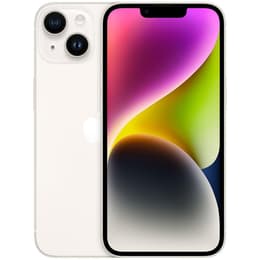
iPhone 14
iPhone 14
Starting at
€313.00
€759.00 new
See options
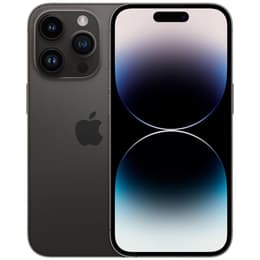
iPhone 14 Pro
iPhone 14 Pro
Starting at
€465.00
€1,619.00 new
See options

Ratings

The iPhone 14 and iPhone 14 Pro, both released in September 2022, represent distinct tiers within Apple's smartphone lineup. While sharing the same operating system, iOS, the Pro model introduces more advanced camera capabilities, a more powerful processor, and a dynamic display interface, differentiating it from the standard iPhone 14.

Scores

Durability

When considering longevity, both the iPhone 14 and iPhone 14 Pro offer substantial software support, but there are differences in their physical build and repairability that can impact their practical lifespan.

  • Software Longevity: Both devices launched with iOS 16 and are expected to receive major iOS updates for many years. The iPhone 14 is estimated to receive updates until approximately 2034, while the 14 Pro, as a flagship device, may receive slightly longer support, potentially until 2029 or 2030, offering extended usability.
  • Build Materials and Durability: The iPhone 14 features an aerospace-grade aluminum body with a glossy back, while the iPhone 14 Pro is constructed with surgical-grade stainless steel and a matte-finished glass back. The Pro model's stainless steel frame offers increased resistance to drops and knocks, contributing to its perceived durability.
  • Repairability: Initially, the iPhone 14 was lauded for its improved internal design, making the back glass easier to replace. However, iFixit later downgraded its repairability score from 7 to 4 for both the iPhone 14 and 14 Pro due to Apple's part-pairing procedures, which require software validation for genuine replacement parts, complicating independent repairs.

Year of Release

2022

2022

Compatible with latest Update

Yes

Yes

OS

iOS

iOS

Foldable

No

No

Performance

The performance capabilities of the iPhone 14 and iPhone 14 Pro cater to different user demands, primarily due to their internal processing power and available storage configurations.

  • Processor Capabilities: The iPhone 14 is powered by the A15 Bionic chip, an improved version of the one found in the iPhone 13 Pro series, offering robust performance for everyday tasks and most demanding applications. The iPhone 14 Pro, however, features the newer A16 Bionic chip, providing enhanced CPU and GPU speeds, which translates to smoother operation for intensive tasks, high-end gaming, and professional applications.
  • Storage Options: The iPhone 14 is available with 128GB, 256GB, and 512GB of internal storage. The iPhone 14 Pro offers a wider range of options, including 128GB, 256GB, 512GB, and a 1TB variant, providing more space for users with extensive photo, video, or application libraries.
  • Battery Behavior in Typical Use: The iPhone 14 offers up to 20 hours of video playback. The iPhone 14 Pro, with its 3200 mAh battery, provides approximately 23 hours of video playback, often translating to slightly longer endurance in mixed usage for many users, though intensive use of features like the Always-On display can impact this.

Memory

6 GB

6 GB

Screen quality

The visual experience on the iPhone 14 and iPhone 14 Pro differs significantly due to advancements in display technology and features implemented in the Pro model.

  • Display Technology and Features: Both phones feature Super Retina XDR OLED displays, delivering vibrant colors and deep blacks. However, the iPhone 14 Pro distinguishes itself with an Always-On display and ProMotion technology, allowing for adaptive refresh rates from 1Hz to 120Hz for smoother scrolling and more fluid animations. The iPhone 14 maintains a standard 60Hz refresh rate.
  • Brightness Levels: The iPhone 14 offers a maximum brightness of 1200 nits. The iPhone 14 Pro's display can reach a typical maximum brightness of 1,000 nits, peaking at up to 1,600 nits for HDR content and an impressive 2,000 nits outdoors, providing superior visibility in bright conditions.
  • Screen Size and Interface: Both models feature a 6.1-inch display. A key difference is the iPhone 14 Pro's introduction of the Dynamic Island, which replaces the traditional notch, integrating alerts and background activities into an interactive pill-shaped cutout, enhancing the user interface.

Resolution

1170 x 2532

1179 x 2556

Screen type

Super Retina XDR OLED

LTPO Super Retina XDR OLED

Audiovisual

The camera systems on the iPhone 14 and iPhone 14 Pro present a notable divergence in capabilities, with the Pro model offering a more versatile and advanced photography experience.

  • Camera System Capabilities: The iPhone 14 features a dual-camera system with a 12-megapixel main wide camera and a 12-megapixel ultra-wide camera. The iPhone 14 Pro upgrades to a triple-camera system, including a new 48-megapixel main wide sensor (which uses pixel binning to output 12-megapixel photos by default), a 12-megapixel ultra-wide camera with improved macro capabilities, and a 12-megapixel telephoto lens for 3x optical zoom.
  • Low-Light and Everyday Photography: Both models benefit from Apple's Photonic Engine for improved low-light performance. However, the iPhone 14 Pro's larger main sensor and improved optics allow it to capture significantly more detail and better handle challenging lighting conditions, especially when utilizing the ProRAW feature for the full 48-megapixel sensor.
  • Video Recording Quality and Features: Both devices offer Cinematic Mode for video with a shallow depth of field and Action Mode for smooth, stabilized handheld footage. The iPhone 14 Pro further enhances video capabilities with ProRes video recording, offering higher fidelity and more flexibility for professional video editors.

Main camera

12 megapixels

48 megapixels

Front camera

12 megapixels

12 megapixels

Miscellaneous

Beyond core performance and display, several practical elements contribute to the overall user experience, with the iPhone 14 Pro offering some exclusive enhancements.

  • Connectivity and Ports: Both iPhones support 5G connectivity and modern Wi-Fi standards. However, both the iPhone 14 and 14 Pro models sold in the United States notably dropped support for physical SIM cards, exclusively relying on eSIM. Both models utilize the Lightning port for charging and data transfer, as they were the last iPhones to do so before a transition to USB-C in later generations.
  • Useful Sensors and Security: Both devices feature Face ID for secure facial recognition. The iPhone 14 Pro includes an additional LiDAR scanner, which enhances augmented reality experiences and improves autofocus in low-light photography. Both models also incorporate advanced safety features like Crash Detection and Emergency SOS via satellite.
  • Weight and Dimensions: The iPhone 14 measures 146.7 x 71.5 x 7.8mm and weighs 172g. The iPhone 14 Pro has similar dimensions at 147.50 x 71.50 x 7.85mm but is heavier at 206g, largely due to its stainless steel frame and additional camera hardware. This weight difference can be noticeable for some users, with the Pro model feeling more substantial.

Weight

172 g

150 g

Screen size (in)

6.1

6.1

Network

5G

5G

SIM card

Physical SIM + eSIM

eSIM

Carrier compatibility

Unlocked

Unlocked

Connector

Lightning

Lightning

User feedback from forums like Reddit indicates general satisfaction with both the iPhone 14 and iPhone 14 Pro, though distinct points of praise and criticism emerge. For the iPhone 14, users frequently commend its smooth performance, good battery life, and overall reliability for daily tasks. Some criticisms occasionally mention a lack of significant upgrades over previous generations or, in some cases, initial battery drain concerns that often resolve with software updates or normal usage.

The iPhone 14 Pro generally receives high praise for its exceptional camera system, especially for low-light performance and the versatility of the telephoto lens. The Dynamic Island is often highlighted as an innovative and useful interface element, and the Always-On display is also a well-liked feature. Users often note the Pro's robust build quality, but some mention its increased weight and that the smaller 14 Pro can sometimes experience faster battery drain than the larger Pro Max variant, particularly with heavy use or after a year or two.

Choosing between these two models depends on individual priorities. Students or everyday users who primarily need a reliable smartphone for communication, social media, and casual photography will find the iPhone 14 to be a strong, capable device that remains well-supported. For professionals, photography enthusiasts, or those who value the latest display technology and a more interactive user experience, the iPhone 14 Pro offers significant enhancements in camera capabilities, screen features, and overall performance. Both models are available as quality-assured refurbished options, providing an eco-friendly and sustainable choice for those looking to make an informed decision while minimizing environmental impact.