

Galaxy S23 Vs iPhone 14

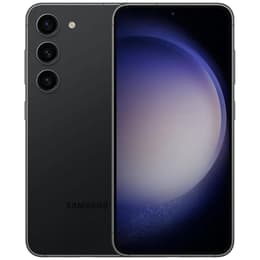
Galaxy S23
Galaxy S23
Starting at

Refurbished price:245.00

Versus €959.00 new

See options
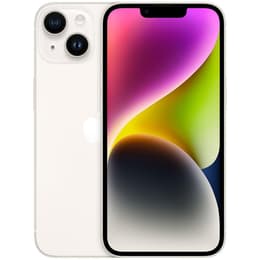
iPhone 14
iPhone 14
Starting at

Refurbished price:287.25

Versus €759.00 new

See options

Ratings

The Samsung Galaxy S23 (2023) and the iPhone 14 (2022) are prominent smartphones from their respective manufacturers, offering distinct user experiences. While both devices provide robust performance and advanced camera systems, they differ in their operating systems and some core hardware philosophies. The Galaxy S23 runs on Android, offering greater customisation, whereas the iPhone 14 operates on iOS, known for its streamlined ecosystem. These differences cater to varying user preferences in terms of interface and functionality.

Scores

Durability

When considering the longevity of these devices, several factors come into play, including their release timelines, software support, and repairability.

  • Release Timeline: The iPhone 14 was released in September 2022, making it slightly older than the Samsung Galaxy S23, which launched in February 2023. This difference means the Galaxy S23 may receive software updates for a slightly longer period.
  • Software Support: Both manufacturers are known for providing several years of operating system updates. Apple typically offers 5-6 years of iOS updates from a device's release, while Samsung has committed to four generations of Android OS upgrades and five years of security updates for the Galaxy S23 series. This suggests a comparable, long-term software experience for both.
  • Repairability: The iPhone 14 initially received a positive repairability assessment due to its redesigned internal structure, making the back glass easier to replace. However, this score was later adjusted downwards due to software limitations that can restrict functionality if non-authorised parts are used. The Galaxy S23 series has been noted for improvements in repairability, with some models receiving favorable scores in certain assessments, partly due to features like battery pull tabs and clear internal labeling.

Year of Release

2023

2022

Compatible with latest Update

Yes

Yes

OS

Android

iOS

Foldable

No

No

Performance

Both the Galaxy S23 and iPhone 14 deliver smooth performance for daily tasks, but their underlying hardware approaches lead to different user experiences in demanding scenarios.

  • Processing Power: The Galaxy S23 features a current-generation processor specifically optimised for its ecosystem, enabling efficient handling of demanding applications and multitasking. The iPhone 14 utilises a powerful processor from the previous year's Pro models, which still provides excellent responsiveness for most applications and gaming.
  • Battery Behavior: The Galaxy S23, with its 3900 mAh battery, generally offers a full day of use for most users, with some reports indicating 4-6 hours of screen-on time under average conditions. The iPhone 14, equipped with a 3279 mAh battery, also comfortably lasts a full day for typical usage, demonstrating efficient power management.
  • Storage and Multitasking: Both devices offer various storage configurations, typically starting at 128GB and extending to 512GB, providing ample space for apps and media. The Galaxy S23 comes with 8GB of RAM, which supports fluid multitasking, while the iPhone 14's optimised iOS environment allows for efficient app switching with its integrated memory.

Memory (GB)

8 GB

6 GB

Screen quality

The display is a primary interaction point, and both devices offer high-quality viewing experiences with some key distinctions.

  • Display Technology: The Galaxy S23 features a 6.1-inch Dynamic AMOLED 2X display, known for its vibrant colours, deep blacks, and high contrast. The iPhone 14 also sports a 6.1-inch Super Retina XDR OLED display, delivering excellent colour accuracy and contrast.
  • Resolution and Clarity: The Galaxy S23 has a resolution of 2340x1080 pixels, resulting in a pixel density of approximately 425 pixels per inch (ppi). The iPhone 14 offers a slightly higher resolution of 2532x1170 pixels, with a pixel density of around 460 ppi, providing sharp and clear visuals.
  • Brightness and Refresh Rate: The Galaxy S23 can reach a peak brightness of 1750 nits, ensuring good visibility even in bright outdoor conditions, and features an adaptive refresh rate of up to 120Hz for smoother scrolling and animations. The iPhone 14 has a peak HDR brightness of 1200 nits and a standard 60Hz refresh rate.

Resolution

1080 x 2340

1170 x 2532

Screen type

Dynamic AMOLED 2X

Super Retina XDR OLED

Audiovisual

Both smartphones offer capable camera systems designed to capture high-quality photos and videos in various conditions.

  • Rear Camera System: The Galaxy S23 is equipped with a versatile triple-camera setup, including a 50MP main sensor with optical image stabilisation (OIS), a 12MP ultrawide lens, and a 10MP telephoto lens capable of 3x optical zoom. The iPhone 14 features a dual-camera system with a 12MP main sensor (f/1.5, sensor-shift OIS) and a 12MP ultrawide lens (120° field of view).
  • Photography Performance: The Galaxy S23 excels in detail and offers flexibility with its dedicated telephoto lens for zoomed shots. Its low-light performance is enhanced by its larger main sensor. The iPhone 14 delivers consistent and natural-looking photos, with improvements in low-light capture thanks to its larger aperture and computational photography features like Photonic Engine.
  • Video Recording and Audio: Both devices support 4K video recording at various frame rates. The iPhone 14 includes Cinematic Mode for depth-of-field effects and Action Mode for enhanced video stabilisation. The Galaxy S23 also offers advanced video capabilities, including 8K recording, and both provide clear audio capture for calls and recordings.

Main camera

50 megapixels

12 megapixels

Front camera

12 megapixels

12 megapixels

Miscellaneous

Beyond core specifications, several practical features and design elements differentiate these two devices.

  • Connectivity and Ports: The Galaxy S23 features a USB-C port for charging and data transfer, aligning with modern universal standards. The iPhone 14 retains the Lightning port. Both support 5G connectivity, Wi-Fi 6, and Bluetooth for wireless communication.
  • Biometric Security: The Galaxy S23 incorporates an ultrasonic in-display fingerprint sensor for secure unlocking. The iPhone 14 relies on Face ID, its facial recognition system, for biometric authentication.
  • Design and Materials: The Galaxy S23 has a sleek design with Gorilla Glass Victus 2 on the front and back, and an aluminum frame, offering IP68 dust and water resistance. The iPhone 14 features a Ceramic Shield front cover, glass back, and an aerospace-grade aluminum design, also with IP68 water and dust resistance. The iPhone 14 measures 146.7 x 71.5 x 7.8 mm and weighs 172 grams, while the Galaxy S23 is slightly more compact at 146.3 x 70.9 x 7.6 mm and weighs 168 grams.

Weight

167 g

172 g

Screen size (in)

6.1

6.1

Network

5G

5G

SIM card

Physical SIM + eSIM

Physical SIM + eSIM

Carrier compatibility

Unlocked

Unlocked

User feedback for the Samsung Galaxy S23 often praises its vibrant display, versatile camera system with optical zoom, and the improved efficiency of its processor, leading to reliable all-day battery life for many. Some users appreciate the customisation options offered by the Android operating system. Criticisms sometimes point to the design being similar to previous generations or the base model's charging speeds not being the fastest available.

The iPhone 14 is frequently lauded for its consistent camera performance, the seamless integration within the Apple ecosystem, and its robust build quality. Users often highlight the intuitive nature of iOS and the device's strong performance for everyday tasks. Some common concerns have included the standard 60Hz display refresh rate and, for some, a perceived lack of significant upgrades over its direct predecessor.

Users who prioritise a highly customisable Android experience, a telephoto camera lens, and a high refresh rate display may find the Samsung Galaxy S23 well-suited to their needs. Conversely, those who value a streamlined user experience, strong ecosystem integration, and advanced video features like Cinematic Mode might lean towards the iPhone 14. Both devices represent solid choices in their respective ecosystems, and opting for a quality-assured refurbished option can be an eco-friendly alternative for either model.


See all articles

Our recent comparisons