


iPhone 12 Vs iPhone 15 Plus

iPhone 12
iPhone 12
Starting at

Refurbished price:166.00

Versus €829.00 new

See options
iPhone 15 Plus
iPhone 15 Plus
Starting at

Refurbished price:420.00

Versus €979.00 new

See options

Ratings

The iPhone 12, released in October 2020, and the iPhone 15 Plus, launched in September 2023, represent different generations within Apple's smartphone lineup. While both devices operate on the iOS platform, the iPhone 15 Plus introduces a larger display, significant camera enhancements, and a shift in connectivity, setting it apart from its predecessor. This comparison aims to highlight the practical differences between these two models to assist consumers in making an informed decision.

Scores

Durability

The lifespan of a smartphone is influenced by its release date, software support, and physical resilience.

  • Release Timeline: The iPhone 12, released in October 2020, has been on the market for a longer period compared to the iPhone 15 Plus, which debuted in September 2023. This three-year difference directly impacts the duration of future software updates.
  • OS Support: Both devices receive regular iOS updates, but the iPhone 15 Plus, being a newer model, is expected to receive software support for a longer period, potentially extending its practical usability by several years. The iPhone 12 is compatible with iOS 26, released in March 2026, indicating continued software support for now.
  • Durability Features: Both models feature Ceramic Shield front covers, designed to offer enhanced drop performance. Both also carry an IP68 rating for splash, water, and dust resistance, allowing submersion up to 6 meters for 30 minutes.
  • Repairability: The iPhone 12 received a repairability score of 6 out of 10 from iFixit, with some concerns noted regarding the need for Apple's proprietary tools for certain repairs. The iPhone 15 Plus, along with other iPhone 15 models, has seen improvements in repairability, with iFixit promoting their score to 7 out of 10, partly due to Apple's Repair Assistant software tool.

Year of Release

2020

2023

Compatible with latest Update

Yes

Yes

OS

iOS

iOS

Foldable

No

No

Performance

Performance in daily use is a key differentiator, influenced by the internal components and software optimization.

  • Processing Power: The iPhone 15 Plus incorporates a more advanced processor, which translates to smoother operation for demanding applications, faster app loading times, and more efficient multitasking compared to the iPhone 12. Users engaging in intensive gaming or video editing will likely notice a more responsive experience on the newer model.
  • Multitasking Capability: The iPhone 12 comes with 4GB of RAM, while the iPhone 15 Plus features 6GB of RAM. This increased memory in the iPhone 15 Plus allows for more applications to run simultaneously in the background without needing to reload, contributing to a more fluid multitasking experience.
  • Storage Options: The iPhone 12 was available in 64GB, 128GB, and 256GB configurations. The iPhone 15 Plus offers storage options starting at 128GB, and also includes 256GB and 512GB variants. This provides more base storage and higher maximum capacity for users with extensive media libraries or numerous applications.
  • Battery Behavior: The iPhone 15 Plus is equipped with a larger battery (4383 mAh) compared to the iPhone 12 (2815 mAh), and benefits from a more power-efficient processor. This results in significantly longer battery life for the iPhone 15 Plus, with users reporting it can comfortably last through a full day of heavy use and often into a second day. The iPhone 12, while offering adequate battery life for its time, typically requires more frequent charging for heavy users.

Memory (GB)

4 GB

6 GB

Screen quality

The visual experience is largely defined by the display technology and its characteristics.

  • Display Technology: Both the iPhone 12 and iPhone 15 Plus feature Super Retina XDR OLED displays, known for their deep blacks, high contrast ratios, and vibrant color reproduction.
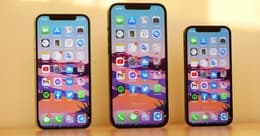
  • Size and Clarity: The iPhone 12 has a 6.1-inch display with a resolution of 2532 x 1170 pixels, resulting in approximately 460 pixels per inch (ppi). The iPhone 15 Plus offers a larger 6.7-inch display with a resolution of 2796 x 1290 pixels, maintaining a similar pixel density of around 460 ppi for sharp visuals. The larger screen on the 15 Plus provides a more expansive viewing area for content.
  • Brightness Levels: The iPhone 15 Plus boasts higher peak brightness levels, reaching up to 1000 nits typical, 1600 nits for HDR content, and an impressive 2000 nits for outdoor peak brightness. This makes the display more legible in bright sunlight compared to the iPhone 12, which has a typical maximum brightness of 625 nits and 1200 nits peak for HDR.
  • Refresh Rate: Both models feature a standard 60Hz refresh rate, meaning the screen updates 60 times per second. While this provides a smooth experience for most everyday tasks, it does not offer the ultra-smooth scrolling and responsiveness found in devices with higher refresh rates.
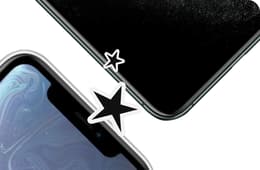
  • Unique Feature: The iPhone 15 Plus introduces the Dynamic Island, an interactive area around the front camera cutout that displays alerts, notifications, and ongoing background activities, enhancing user interaction. The iPhone 12 features a traditional notch at the top of its display.

Resolution

1170 x 2532

1290 x 2796

Screen type

Super Retina XDR OLED

Super Retina XDR OLED

Audiovisual

Camera capabilities have seen significant advancements across generations, impacting both still photography and video recording.

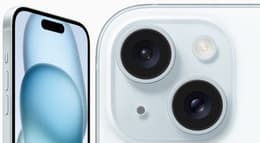
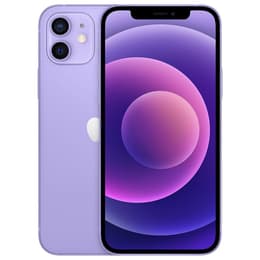
  • Main Camera System: The iPhone 12 features a dual 12MP camera system, comprising a wide and an ultrawide lens. The iPhone 15 Plus significantly upgrades this with an advanced dual-camera system featuring a 48MP main sensor and a 12MP ultrawide lens. The 48MP main camera on the 15 Plus allows for higher resolution photos and offers a 2x telephoto option through sensor cropping.
  • Photography Performance: The iPhone 15 Plus benefits from a larger main sensor and improved computational photography, leading to better detail, color accuracy, and dynamic range, especially in challenging lighting conditions. While the iPhone 12 offered good low-light performance for its time with Night mode, the 15 Plus shows notable improvements in capturing brighter and clearer images in dim environments.
  • Video Recording: Both devices are capable of recording 4K video. The iPhone 12 supports HDR video recording with Dolby Vision up to 4K at 30 frames per second. The iPhone 15 Plus further refines video capabilities with features like Cinematic mode and Action mode, offering more creative control and enhanced stabilization.
  • Audio and Speakers: Both models provide a good audio experience for calls and media consumption, with stereo speakers. The microphone quality on both is suitable for clear voice capture in various scenarios.

Main camera

12 megapixels

48 megapixels

Front camera

12 megapixels

12 megapixels

Miscellaneous

Beyond core features, several practical elements contribute to the overall user experience.

  • Connectivity: Both the iPhone 12 and iPhone 15 Plus support 5G cellular connectivity, enabling faster download and upload speeds where available. The iPhone 15 Plus features Wi-Fi 6E, offering improved wireless performance and lower latency compared to the iPhone 12's Wi-Fi 6. Bluetooth versions also differ, with the 15 Plus supporting Bluetooth 5.3 and the 12 supporting Bluetooth 5.0, offering minor improvements in efficiency and range for accessories on the newer model.
  • Charging Port: A significant change in the iPhone 15 Plus is the adoption of a USB-C port for charging and data transfer, replacing the Lightning port found on the iPhone 12. This transition offers greater compatibility with a wider range of devices and accessories.
  • Biometric Security: Both models utilize Face ID for secure facial recognition, enabling convenient unlocking and authentication for payments and apps.
  • Physical Design: The iPhone 12 has dimensions of 146.7 x 71.5 x 7.4 mm and weighs 164 grams. The iPhone 15 Plus is larger and slightly heavier, measuring 160.9 x 77.8 x 7.8 mm and weighing 201 grams. This difference in size impacts one-handed usability, with the 15 Plus offering a more expansive screen but requiring a larger grip. Both feature aluminum frames and glass backs.

Weight

164 g

171 g

Screen size (in)

6.1

6.7

Network

5G

5G

SIM card

Physical SIM + eSIM

eSIM

Carrier compatibility

Unlocked

Unlocked

Connector

Lightning

USB-C (USB 2)

The iPhone 12 and iPhone 15 Plus cater to different user needs, primarily due to their generational gap and the advancements introduced in the newer model.

Users often praise the iPhone 12 for its compact size and capable camera system, which, at its release, offered significant improvements in low-light photography and video recording. Its performance was considered robust for everyday tasks, and its design was well-received. However, some users noted that its battery life, while adequate, could be a limiting factor for heavy usage, and the base storage option of 64GB could quickly fill up for those who capture many photos and videos.

The iPhone 15 Plus, on the other hand, frequently receives acclaim for its exceptional battery life, often lasting well over a day even with intensive use. Its larger display is a significant draw for media consumption and productivity, and the introduction of the Dynamic Island and USB-C port are often highlighted as practical improvements. The camera system, with its 48MP main sensor, is praised for delivering highly detailed photos and improved low-light performance. Some users, however, might find its larger size less convenient for one-handed operation.

Users prioritizing a more compact device and who do not require the absolute latest in camera technology or extended battery life may find the iPhone 12 still meets their needs. It remains a capable device for general use, communication, and casual photography. Conversely, users who value a large, bright display, significantly longer battery life, advanced camera capabilities, and the versatility of a USB-C port will find the iPhone 15 Plus to be a more suitable choice. It is particularly well-suited for those who consume a lot of media, engage in mobile gaming, or rely heavily on their phone throughout the day without frequent access to charging. Both models are available as quality-assured refurbished options, providing an eco-friendly alternative for consumers.