
Samsung

Compare models
Differences at a glance
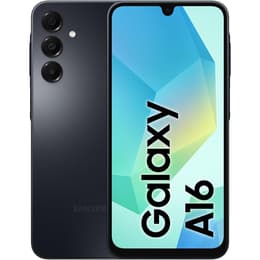
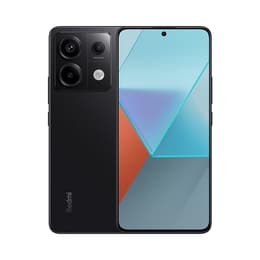
The Samsung Galaxy A16, released in late 2024, and the Xiaomi Redmi Note 13 Pro, launched in early 2024, are both contemporary smartphones designed to offer a balanced experience for everyday users. While both devices operate on the Android platform, they present distinct approaches to hardware and software, catering to different user priorities. The Galaxy A16 emphasizes long-term software support and a consistent user experience, whereas the Redmi Note 13 Pro focuses on advanced display technology and camera capabilities.
Colour
Storage
When considering the longevity of these devices, several factors come into play, including their release timelines, software support, and physical durability.
Year of Release
OS
Foldable
The performance of a smartphone is crucial for daily tasks, from navigating apps to managing multimedia. Both devices offer capable hardware, but with different strengths.
The display is a primary interface for any smartphone, and both the Galaxy A16 and Redmi Note 13 Pro offer vibrant viewing experiences with distinct characteristics.
Resolution
Screen type
For many users, the camera system is a key differentiator. Both smartphones offer versatile camera setups, but with varying levels of detail and features.
Beyond the core specifications, several practical features contribute to the overall user experience and daily convenience.
Weight
Screen size (in)
Network
SIM card
Carrier compatibility
Connector
User feedback for the Samsung Galaxy A16 often praises its commitment to long-term software updates, which is a significant advantage for those who prefer to keep their devices for many years. Its Super AMOLED display and reliable performance for everyday tasks are also frequently highlighted. Some users, however, might desire faster charging speeds or a more advanced camera system.
The Xiaomi Redmi Note 13 Pro receives commendation for its vibrant and high-resolution AMOLED display with a fast refresh rate, its powerful 200MP main camera, and its exceptionally fast 67W charging. Users appreciate the immersive audio experience provided by its stereo speakers. Criticisms sometimes point to the auxiliary cameras being less impressive than the main sensor and the software update policy being shorter than some competitors.
Users prioritizing extensive software longevity and a consistent, long-term user experience may find the Samsung Galaxy A16 well-suited to their needs. Its robust update policy ensures the device remains current and secure for a prolonged period. Conversely, users who prioritize a superior visual experience, advanced photography capabilities, and rapid battery charging will likely lean towards the Xiaomi Redmi Note 13 Pro. This device offers a more premium display and camera setup, along with quicker power top-ups. Both devices represent solid choices in their category, and considering a quality-assured refurbished option for either model can be an eco-friendly alternative to extend their lifecycle.