

Compare models

iPhone 12 Vs iPhone XR

  • 1-year minimum warranty
  • Free delivery on all orders
  • Free 30-day returns
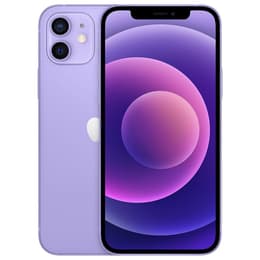
iPhone 12
iPhone 12
Starting at

Refurbished price:178.00

Versus €829.00 new

See options
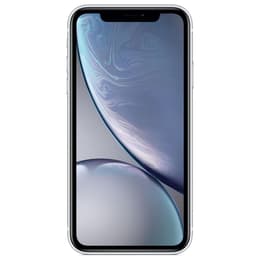
iPhone XR
iPhone XR
Starting at

Refurbished price:121.00

Versus €439.00 new

See options

Differences at a glance

The iPhone 12, released in October 2020, and the iPhone XR, launched in October 2018, represent different generations of Apple's smartphone lineup. While both offer a similar form factor and run on Apple's iOS operating system, the iPhone 12 introduces a more advanced display technology and a newer processor, alongside enhanced camera capabilities. The iPhone XR, being an older model, provides a solid foundation with a focus on battery longevity and a vibrant LCD screen.

Scores

Durability

When considering the practical lifespan of these devices, several factors come into play, including their release timelines, software support, and physical resilience.

  • Release Timeline and Age: The iPhone XR, released in October 2018, is two years older than the iPhone 12, which launched in October 2020. This age difference directly impacts their remaining software support.
  • OS Support Duration: The iPhone 12, having shipped with iOS 14, is currently compatible with iOS 26, indicating a longer period of future software updates compared to the iPhone XR, which shipped with iOS 12 and is upgradeable to iOS 18.7.7. This means the iPhone 12 will receive critical security updates and new features for a longer duration.
  • Repairability: Both models generally receive a moderate repairability score of 6 out of 10 from iFixit. The iPhone XR is noted for having easier access for common repairs like display and battery replacements. However, for the iPhone 12, while parts are replaceable, Apple's repair policies can complicate independent repairs, sometimes requiring proprietary software for full functionality of replaced components.
  • Physical Durability: The iPhone 12 features a Ceramic Shield front cover, which Apple stated offers improved drop performance. The iPhone XR has a durable glass and aluminum build with an IP67 rating for water and dust resistance, meaning it can withstand immersion in up to 1 meter of water for 30 minutes. The iPhone 12 improves on this with an IP68 rating, allowing submersion up to 6 meters for 30 minutes.

Year of Release

2020

2018

Compatible with latest Update

Yes

Yes

OS

iOS

iOS

Foldable

No

No

Performance

The performance of a smartphone is largely determined by its internal processing power and how efficiently it manages tasks and power consumption.

  • Processing Capabilities: The iPhone 12 is equipped with a newer generation processor, which provides a noticeable boost in speed and efficiency. This translates to faster app loading times, smoother multitasking, and more fluid performance in graphically intensive applications and games. The iPhone XR, powered by an earlier generation processor, still handles everyday tasks competently but may show limitations with the most demanding applications or future software updates.
  • Battery Behavior: The iPhone XR was widely recognized for its strong battery life upon release, with some tests showing it lasting over 11 hours of continuous web surfing and up to two days with moderate use. The iPhone 12, while featuring a more power-efficient processor, has a slightly smaller battery capacity. Its battery performance can be impacted by 5G usage, with some tests indicating a reduction in battery life when connected to 5G networks compared to 4G. Users of the iPhone 12 have occasionally reported concerns about standby battery drain.
  • Storage Options: Both devices offer similar internal storage configurations, typically starting at 64GB and going up to 256GB, providing ample space for apps, photos, and videos for most users.
  • Multitasking: The iPhone 12 generally offers a smoother multitasking experience due to its increased amount of RAM and more powerful processor, allowing more applications to remain active in the background without needing to reload. The iPhone XR, with less RAM, might occasionally reload background apps more frequently.

Memory (GB)

4 GB

3 GB

Screen quality

The display is a primary interface for any smartphone, and these two models offer distinct viewing experiences.

  • Display Technology: The iPhone 12 features a 6.1-inch Super Retina XDR OLED display, which delivers deep blacks, high contrast, and vibrant colors. In contrast, the iPhone XR uses a 6.1-inch Liquid Retina HD LCD display, which is known for its color accuracy and brightness for an LCD panel.
  • Resolution and Clarity: The iPhone 12 has a higher resolution of 2532 x 1170 pixels at 460 pixels per inch (ppi), resulting in sharper text and more detailed images. The iPhone XR has a resolution of 1792 x 828 pixels at 326 ppi. While the XR's display is still clear for everyday use, the 12 offers a finer level of detail.
  • Brightness Levels: Both phones offer a typical maximum brightness of 625 nits. However, the iPhone 12's OLED display can reach a peak brightness of 1200 nits when viewing HDR content, providing a more impactful viewing experience for compatible media.
  • Refresh Rate: Both the iPhone 12 and iPhone XR feature a standard 60Hz refresh rate, providing a consistent and smooth scrolling experience for typical usage.
  • Screen Size and Viewing: Both devices share a 6.1-inch screen size, offering a spacious viewing area for content consumption and daily tasks. The iPhone 12's OLED technology provides a more immersive experience, especially in darker environments, due to its ability to display true blacks.

Resolution

1170 x 2532

828 x 1792

Screen type

Super Retina XDR OLED

Liquid Retina IPS LCD

Audiovisual

The camera systems on these iPhones offer different capabilities, catering to various photography and videography needs.

  • Rear Camera System: The iPhone 12 features a dual 12-megapixel camera system, including a Wide lens with a larger f/1.6 aperture for improved low-light performance and an Ultra Wide lens with a 120-degree field of view. The iPhone XR has a single 12-megapixel Wide camera with an f/1.8 aperture. The addition of the Ultra Wide lens on the iPhone 12 allows for more versatile landscape and group shots.
  • Photography Features: The iPhone 12 benefits from Night mode on both its Wide and Ultra Wide cameras, Deep Fusion for enhanced detail in various lighting, and Smart HDR 3. The iPhone XR also offers Portrait mode with advanced bokeh and Depth Control, as well as Smart HDR for photos, but lacks Night mode and Deep Fusion.
  • Video Recording Quality: The iPhone 12 supports HDR video recording with Dolby Vision up to 4K at 30 frames per second (fps), offering significantly improved dynamic range and color accuracy in videos. It can also record 4K video at up to 60 fps. The iPhone XR records 1080p HD video at 30 or 60 fps.
  • Front Camera: The iPhone 12 has a 12-megapixel TrueDepth front camera with Night mode and Smart HDR 3. The iPhone XR features a 7-megapixel TrueDepth front camera with Portrait mode and Smart HDR. The iPhone 12's front camera offers better detail and low-light performance for selfies and video calls.

Main camera

12 megapixels

12 megapixels

Front camera

12 megapixels

7 megapixels

Miscellaneous

Beyond core performance and display, several practical features differentiate the iPhone 12 and iPhone XR.

  • Connectivity: A significant difference is the iPhone 12's support for 5G cellular connectivity, offering faster download and upload speeds in supported areas. The iPhone XR is limited to 4G LTE. Both support Wi-Fi (Wi-Fi 6 for iPhone 12, Wi-Fi 5 for iPhone XR) and Bluetooth 5.0.
  • Port Types: Both models utilize Apple's Lightning port for charging and data transfer. Neither device includes a traditional 3.5mm headphone jack.
  • Biometric Authentication: Both the iPhone 12 and iPhone XR rely on Face ID for secure facial recognition and authentication.
  • Weight and Dimensions: The iPhone 12 is slightly thinner and lighter than the iPhone XR, measuring 146.7 x 71.5 x 7.4 mm and weighing 164g. The iPhone XR measures 150.9 x 75.7 x 8.3 mm and weighs 194g. The iPhone 12's more compact and lighter design may offer a more comfortable in-hand feel for some users.
  • Build Materials: The iPhone 12 features flat edges and an aluminum frame with a Ceramic Shield front cover and glass back. The iPhone XR has rounded aluminum edges and a glass back.

Weight

164 g

194 g

Screen size (in)

6.1

6.1

Network

5G

4G

SIM card

Physical SIM + eSIM

Physical SIM + eSIM

Carrier compatibility

Unlocked

Unlocked

Connector

Lightning

Lightning

What the community thinks

User sentiment for the iPhone XR often highlights its impressive battery life and overall reliability as a daily driver, especially considering its position in the lineup at the time of its release. Many users found it to be a practical choice that delivered a strong iPhone experience without some of the premium features of its contemporaries. Criticisms sometimes focused on its LCD display resolution compared to OLED alternatives and the single rear camera's limitations in certain scenarios.

The iPhone 12, on the other hand, is frequently praised for its vibrant OLED display, improved camera system with Night mode, and the introduction of 5G connectivity. Users appreciate its faster performance and more modern design. Common concerns for the iPhone 12 have included battery drain, particularly with 5G usage, and some initial reports of display tinting, though many software-related issues were addressed with updates.

Users prioritizing extended software support, a more advanced camera system with better low-light capabilities, and the benefits of an OLED display and 5G connectivity may find the iPhone 12 better suited to their needs. Its newer processor also offers more headroom for demanding applications and future operating system updates. Conversely, users who value exceptional battery longevity, a slightly more robust build for common repairs, and a device that still performs well for everyday tasks might lean towards the iPhone XR. Both models offer a reliable iOS experience, and choosing a quality-assured refurbished option for either can be an eco-friendly alternative for consumers.