
iPhone

Compare models
Differences at a glance
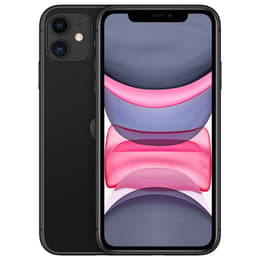
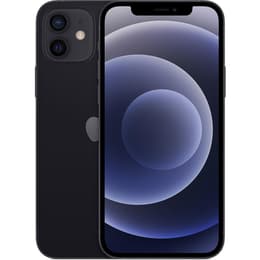
The iPhone 11, released in September 2019, and the iPhone 12, launched in October 2020, represent two consecutive generations of Apple's mainstream smartphones. While both devices offer a similar form factor and operate on iOS, the iPhone 12 introduces a refreshed design, an enhanced display, 5G connectivity, and a more advanced processor compared to its predecessor.
Colour
Storage
When considering longevity, both the iPhone 11 and iPhone 12 offer solid software support and durability, though the newer model has an edge.
Year of Release
Compatible with latest Update
OS
Foldable
Performance differences between the iPhone 11 and iPhone 12 are primarily driven by their respective processors and battery optimizations.
The display is one of the most significant upgrades found in the iPhone 12 when compared to the iPhone 11.
Resolution
Screen type
Both the iPhone 11 and iPhone 12 offer capable camera systems, with the newer model providing some notable enhancements.
Main camera
Front camera
Beyond the core specifications, several practical elements differentiate the iPhone 11 and iPhone 12.
Weight
Width
Height
Depth
Screen size (in)
Network
SIM card
Carrier compatibility
Connector
User feedback for both the iPhone 11 and iPhone 12 highlights their respective strengths. Many iPhone 11 users praise its reliable performance, excellent battery life for its generation, and capable camera system, especially with the introduction of Night Mode. Some criticisms revolved around its LCD display compared to competitors with OLED screens at the time.
The iPhone 12, on the other hand, is frequently lauded for its vibrant OLED display, the noticeable speed improvement from the A14 Bionic chip, and the added benefit of 5G connectivity. Some users noted a slight decrease in battery capacity compared to the iPhone 11, though efficiency improvements often balance this out. The flat-edged design was also a point of discussion, with some preferring it for its aesthetics and grip.
For users prioritizing a cutting-edge display, 5G capabilities, and the most recent processor for future-proofing, the iPhone 12 is the more suitable choice. Creatives or those who frequently stream high-quality content will appreciate the OLED screen and Dolby Vision video recording. For those seeking a dependable smartphone for everyday tasks, photography, and long-term software support without the need for 5G, the iPhone 11 remains a strong contender. Students, busy professionals, and travelers looking for a quality device will find either model serves their needs, and considering quality-assured refurbished options for both models presents an eco-friendly and smart way to acquire these devices.