

iPhone 12 Vs iPhone 12 Pro

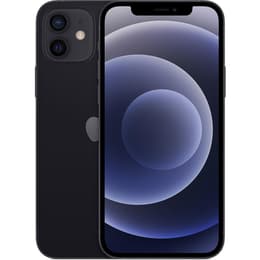
iPhone 12
iPhone 12
Starting at
€178.00
€829.00 new
See options
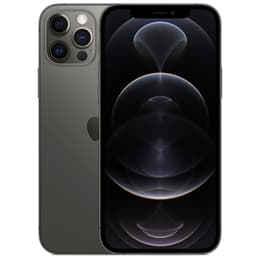
iPhone 12 Pro
iPhone 12 Pro
Starting at
€261.00
€1,039.00 new
See options

Ratings

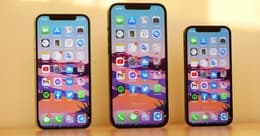
The iPhone 12 and iPhone 12 Pro, both released in October 2020, represent Apple's fourteenth generation of smartphones. While sharing a common design language and the same powerful A14 Bionic chip, the iPhone 12 Pro elevates the experience with an enhanced camera system, additional RAM, and more premium build materials. Both devices operate on Apple's iOS platform, offering a consistent software experience.

Scores

Durability

Both the iPhone 12 and iPhone 12 Pro, launched in October 2020, benefit from Apple's long-term software support, with compatibility extending to iOS 26 as of November 2025. This ensures users receive security updates and new features for several years following their release.

  • Software Longevity: Both models are expected to receive iOS updates for approximately 5-6 years from their release, offering a comparable lifespan in terms of software support.
  • Physical Durability: Both devices feature a Ceramic Shield front cover and an IP68 rating for water and dust resistance, designed to withstand immersion up to 6 meters for 30 minutes. The iPhone 12 Pro, however, features a stainless steel frame compared to the iPhone 12's aluminum, potentially offering a more robust feel.
  • Repairability: Both the iPhone 12 and 12 Pro received a repairability score of 6 out of 10 from iFixit. While common components like the display and battery are designed for replacement, some repairs might be challenging due to proprietary screws and waterproofing measures.

Year of Release

2020

2020

Compatible with latest Update

Yes

Yes

OS

iOS

iOS

Foldable

No

No

Performance

At their core, both the iPhone 12 and iPhone 12 Pro are powered by the same A14 Bionic chip, providing comparable speed and efficiency for most applications. However, differences in RAM and storage options may influence performance for demanding tasks and user habits.

  • Processor Capabilities: Both phones utilize the Apple A14 Bionic chip, featuring a 6-core CPU and 4-core GPU. This processor handles demanding applications, multitasking, and graphic-intensive games smoothly, ensuring a responsive user experience.
  • RAM and Multitasking: The iPhone 12 comes with 4GB of RAM, suitable for everyday use and moderate multitasking. The iPhone 12 Pro includes 6GB of RAM, offering a slight advantage for heavy multitasking or professional applications that benefit from more memory.
  • Storage Options: The iPhone 12 is available with 64GB, 128GB, or 256GB of internal storage. The iPhone 12 Pro starts with 128GB and offers options for 256GB and 512GB, providing more generous base storage and a higher maximum capacity for users with extensive digital libraries.

Memory

4 GB

6 GB

Screen quality

Both iPhone 12 models feature the same Super Retina XDR OLED display, delivering vibrant colors and deep blacks. However, the Pro model offers a higher typical brightness level, which can be noticeable in certain viewing conditions.

  • Display Technology and Resolution: Both devices sport a 6.1-inch Super Retina XDR OLED display with a resolution of 2532 by 1170 pixels, resulting in a pixel density of approximately 460 pixels per inch (ppi). This provides sharp text and detailed images.
  • Brightness Levels: The iPhone 12 features a typical maximum brightness of 625 nits, while the iPhone 12 Pro can reach 800 nits under typical conditions. Both models can achieve a peak brightness of 1200 nits when displaying HDR content, ensuring excellent visibility for HDR videos.
  • Viewing Experience: Both screens support HDR, True Tone for ambient light adjustments, and a wide color (P3) gamut for accurate color reproduction. Neither model features a higher refresh rate, maintaining a standard 60Hz.

Resolution

1170 x 2532

1170 x 2532

Screen type

Super Retina XDR OLED

Super Retina XDR OLED

Audiovisual

While both iPhone 12 models offer capable dual-camera systems, the iPhone 12 Pro distinguishes itself with an additional telephoto lens, a LiDAR scanner, and advanced video recording capabilities.

  • Rear Camera System: The iPhone 12 features a dual 12MP camera system with a Wide (f/1.6) and Ultra Wide (f/2.4) lens. The iPhone 12 Pro upgrades to a triple 12MP camera system, adding a Telephoto lens (f/2.0) for 2x optical zoom in and a 4x optical zoom range.
  • Advanced Photography Features: The iPhone 12 Pro includes a LiDAR scanner, which enhances low-light autofocus and enables Night mode portraits, providing more depth information for augmented reality applications. It also supports Apple ProRAW, offering greater control over photo editing for professional users. Both models support Night mode, Deep Fusion, and Smart HDR 3 for improved image quality in various lighting conditions.
  • Video Recording Capabilities: Both phones can record HDR video with Dolby Vision. The iPhone 12 supports this up to 4K at 30 frames per second (fps). The iPhone 12 Pro extends this capability, allowing HDR video recording with Dolby Vision up to 4K at 60 fps, providing smoother and more dynamic video capture.

Main camera

12 megapixels

12 megapixels

Front camera

12 megapixels

12 megapixels

Miscellaneous

Beyond core performance and camera, several practical distinctions exist between the iPhone 12 and iPhone 12 Pro, impacting user interaction and overall device feel.

  • Connectivity and Ports: Both devices support 5G cellular connectivity, Wi-Fi 6, and Bluetooth 5.0, ensuring fast wireless performance. They both rely on the Lightning port for charging and data transfer, and neither includes a traditional headphone jack.
  • Design and Build Materials: The iPhone 12 features an aerospace-grade aluminum frame and a glass back. The iPhone 12 Pro, meanwhile, uses a more premium stainless steel frame and a textured matte glass back, contributing to its slightly higher weight of 189 grams compared to the iPhone 12's 164 grams.
  • Biometric Security and Other Features: Both models utilize Face ID for secure facial recognition. They also incorporate Apple's MagSafe technology for magnetic wireless charging and accessories.

Weight

164 g

187 g

Width

7.15 cm

7.15 cm

Height

14.67 cm

14.67 cm

Depth

0.74 cm

0.74 cm

Screen size (in)

6.1

6.1

Network

5G

5G

SIM card

Physical SIM + eSIM

Physical SIM + eSIM

Carrier compatibility

Unlocked

Unlocked

Connector

Lightning

Lightning

Choosing between the iPhone 12 and iPhone 12 Pro largely depends on individual priorities for photography, advanced features, and material preference. Users consistently praise both models for their reliable performance and vibrant Super Retina XDR displays. Forum discussions often highlight the iPhone 12 as a strong contender for everyday use, offering excellent value for its core features.

The iPhone 12 Pro is frequently commended for its versatile camera system, particularly the added telephoto lens and LiDAR scanner, which are beneficial for photography enthusiasts and those interested in augmented reality applications. Users often appreciate the Pro's more premium feel due to its stainless steel construction. Criticisms for both models sometimes touch upon battery longevity for heavy users, a common consideration for smartphones of this generation.

For students and general users seeking a capable device for communication, media consumption, and casual photography, the iPhone 12 remains a robust choice. Professionals or creatives who prioritize advanced camera capabilities, enhanced low-light performance, and more storage will find the iPhone 12 Pro better suited to their needs. As an eco-friendly and quality-assured alternative, considering a refurbished iPhone 12 or 12 Pro can offer a sustainable choice without compromising on performance or features.