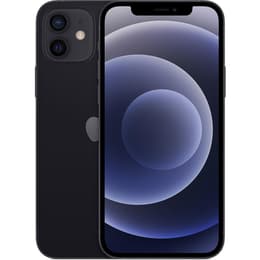
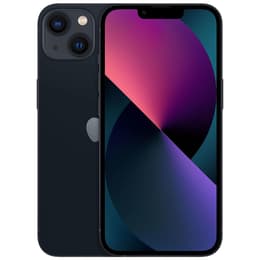


iPhone 12 Vs iPhone 13

iPhone 12
iPhone 12
Starting at
€178.00
€829.00 new
See options
iPhone 13
iPhone 13
Starting at
€270.00
€769.00 new
See options

Ratings

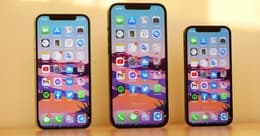
The iPhone 12, released in October 2020, and the iPhone 13, which followed in September 2021, represent two consecutive generations of Apple's mainstream smartphone line. Both devices feature similar designs and operate on the iOS ecosystem, offering a familiar user experience. The iPhone 13, as the newer model, introduces an updated processor, enhanced camera capabilities, and improved battery performance, while the iPhone 12 remains a capable option for everyday use.

Scores

Durability

When considering longevity, both devices offer robust software support and physical durability, though the newer model naturally holds an edge.

  • Software Updates: The iPhone 13, released in 2021, is expected to receive major iOS updates for approximately one year longer than the iPhone 12, which launched in 2020. Both devices currently support iOS 26.1/26.2, but the iPhone 13 will likely extend its functional lifespan with future feature updates.
  • Durability Features: Both models feature Apple's Ceramic Shield front cover, designed to offer enhanced drop protection compared to previous iPhone generations. Additionally, both devices carry an IP68 rating for water and dust resistance, meaning they can withstand immersion in up to 6 meters of water for up to 30 minutes.
  • Repairability: Repairability scores for both devices are generally considered challenging. While some modular improvements were noted for the iPhone 13, both the iPhone 12 and 13 have received similar repairability assessments, typically rated around 4 or 5 out of 10, indicating difficulties with unofficial component replacements impacting functionality.

Year of Release

2020

2021

Compatible with latest Update

Yes

Yes

OS

iOS

iOS

Foldable

No

No

Performance

Performance differences stem primarily from their respective processors, influencing daily speed and efficiency.

  • Processor Capabilities: The iPhone 13 is equipped with the A15 Bionic chip, offering improved processing power and graphical performance compared to the iPhone 12's A14 Bionic chip. This translates to smoother operation for demanding applications, more efficient multitasking, and better handling of graphically intensive games.
  • Battery Life: The iPhone 13 offers noticeably better battery endurance. It provides up to 19 hours of video playback (up to 15 hours streamed), whereas the iPhone 12 offers up to 17 hours of video playback (up to 11 hours streamed). This improvement means less frequent charging for most users, particularly those with heavy daily usage.
  • Storage Options: The iPhone 13 starts with 128GB of internal storage, with options up to 512GB, providing more base storage for apps, photos, and videos. The iPhone 12 began with 64GB, also offering 128GB and 256GB configurations.

Memory

4 GB

4 GB

Screen quality

Both iPhones deliver high-quality visual experiences, though the iPhone 13 offers a slight enhancement in brightness.

  • Display Technology and Resolution: Both the iPhone 12 and iPhone 13 feature 6.1-inch Super Retina XDR OLED displays, delivering vibrant colors, deep blacks, and sharp detail with a resolution of 2532 x 1170 pixels at 460 pixels per inch.
  • Brightness Levels: The iPhone 13 boasts a higher typical maximum brightness of 800 nits, making it slightly easier to view the screen in bright outdoor conditions compared to the iPhone 12's 625 nits. Both models reach a peak brightness of 1200 nits for HDR content.
  • Refresh Rate: Both devices maintain a standard 60Hz refresh rate, providing smooth scrolling and responsiveness for everyday tasks.

Resolution

1170 x 2532

1170 x 2532

Screen type

Super Retina XDR OLED

Super Retina XDR OLED

Audiovisual

The camera systems on these two iPhones are both highly capable, with the iPhone 13 introducing several notable advancements.

  • Main and Ultra-Wide Cameras: Both iPhones feature a dual 12-megapixel camera system with a wide and an ultra-wide lens. The iPhone 13's wide camera benefits from a larger sensor and sensor-shift optical image stabilization (OIS), which was previously exclusive to Pro models, resulting in improved low-light performance and steadier shots. The iPhone 12 features standard optical image stabilization on its wide camera.
  • Computational Photography: The iPhone 13 introduces Smart HDR 4, which enhances color, contrast, and lighting for multiple subjects in a single shot. It also includes Cinematic mode, a feature that automatically shifts focus and adds a depth effect to videos, providing a more professional look. While the iPhone 12 has Smart HDR 3 and Night Mode on all cameras, the iPhone 13 offers a more refined experience.
  • Video Capabilities: Both models are capable of recording 4K HDR video with Dolby Vision. The iPhone 13 extends this capability up to 60 frames per second, offering slightly more flexibility for high-quality video capture compared to the iPhone 12's Dolby Vision HDR at up to 30 frames per second.

Main camera

12 megapixels

12 megapixels

Front camera

12 megapixels

12 megapixels

Miscellaneous

Beyond core features, several practical aspects distinguish these two generations.

  • Dimensions and Weight: The iPhone 13 is slightly thicker and heavier than its predecessor, measuring 7.65 mm in depth and weighing 174 grams, compared to the iPhone 12's 7.4 mm depth and 164 grams. While minimal, this difference can be subtly felt in hand.
  • Connectivity: Both devices offer 5G cellular connectivity, Wi-Fi 6 (802.11ax), and Bluetooth 5.0, ensuring fast wireless speeds and reliable connections. They also support MagSafe for magnetic accessories and wireless charging.
  • Biometric Authentication and Ports: Both iPhones utilize Face ID for secure facial recognition. They both feature the Lightning port for charging and data transfer, as opposed to the more universal USB-C found in newer devices.

Weight

164 g

173 g

Width

7.15 cm

7,15 cm

Height

14.67 cm

13,676 cm

Depth

0.74 cm

0,75 cm

Screen size (in)

6.1

6.1

Network

5G

5G

SIM card

Physical SIM + eSIM

Physical SIM + eSIM

Carrier compatibility

Unlocked

Unlocked

Connector

Lightning

Lightning

For users weighing the iPhone 12 and iPhone 13, the choice often comes down to prioritizing incremental enhancements versus proven performance. Forums and user reviews frequently praise the iPhone 13 for its improved battery life, which many consider a significant upgrade for daily use, and its more capable camera system, especially for low-light photography and cinematic video effects. Common feedback on the iPhone 12 highlights its strong overall performance, attractive design, and excellent display, even if its battery life is less robust than its successor.

For individuals like students and professionals who require a device with longer battery life to get through a busy day without constant recharging, and who appreciate slightly better camera performance for photos and videos, the iPhone 13 presents a more compelling package. Content creators or photography enthusiasts will also benefit from the iPhone 13's sensor-shift OIS and Cinematic mode for more stable and creative video capture. Conversely, the iPhone 12 remains a solid choice for users who prioritize core smartphone functionality, a sleek design, and don't require the absolute latest in battery endurance or camera technology.

For those making an informed purchasing decision, especially considering refurbished options, both models offer excellent value as quality-assured, sustainable choices. Opting for a refurbished iPhone 12 or 13 can provide a reliable device that meets a variety of user needs while also being an eco-friendly alternative.