
iPhone 14 Vs iPhone 15 Plus

iPhone 14
iPhone 14
Starting at

Refurbished price:293.00

Versus €759.00 new

See options
iPhone 15 Plus
iPhone 15 Plus
Starting at

Refurbished price:422.00

Versus €979.00 new

See options

Ratings

The iPhone 14, released in September 2022, and the iPhone 15 Plus, launched in September 2023, represent different generations within Apple's smartphone lineup. While both devices offer a consistent iOS experience, the iPhone 15 Plus introduces a larger display, an updated processor, enhanced camera capabilities, and a shift to USB-C connectivity. These distinctions cater to varying user preferences regarding size, performance, and modern features.

Scores

Durability

Both the iPhone 14 and iPhone 15 Plus are built with durability in mind, featuring Apple's Ceramic Shield front cover and an IP68 rating for water and dust resistance, indicating protection against submersion. However, there are differences in their practical lifespan expectations and repair considerations.

  • Software Longevity: As the newer device, the iPhone 15 Plus is expected to receive iOS software updates for a longer duration than the iPhone 14, providing extended access to new features and security enhancements.
  • Physical Durability: Both models incorporate robust materials. The iPhone 14's design was noted for improved internal repair access, though subsequent software limitations related to parts pairing complicated independent repairs, leading to a revised lower repairability score from iFixit. The iPhone 15 Plus, while also featuring Ceramic Shield, has shown resilience in durability tests, and its rear glass repair costs are notably lower than its predecessor.
  • Expected Lifespan: Users can generally expect several years of reliable performance from either device. The iPhone 15 Plus, with its more recent release, offers a slightly longer potential lifespan before hardware or software support becomes a limiting factor.

Year of Release

2022

2023

Compatible with latest Update

Yes

Yes

OS

iOS

iOS

Foldable

No

No

Performance

The core performance of these devices is driven by their internal processing units and battery systems, impacting daily responsiveness and longevity between charges.

  • Processing Power: The iPhone 14 is equipped with a capable processor that handles everyday applications, multitasking, and moderate gaming smoothly. The iPhone 15 Plus features a newer generation processor, which was previously found in the iPhone 14 Pro models. This newer processor provides a noticeable boost in overall speed, making demanding applications and graphics-intensive games run with greater fluidity and efficiency.
  • Battery Performance: The iPhone 15 Plus offers significantly extended battery life compared to the iPhone 14. Users of the iPhone 15 Plus frequently report being able to go through a full day of heavy use, and often into a second day, without needing to recharge. The iPhone 14 provides solid all-day battery performance for most users, though some reports indicated battery degradation over time.
  • Storage Options: Both devices are available with 128GB, 256GB, and 512GB of internal storage, offering ample space for apps, photos, videos, and other files.

Memory (GB)

6 GB

6 GB

Screen quality

The visual experience on both iPhones is delivered through high-quality displays, though the iPhone 15 Plus introduces a larger screen and a key design change.

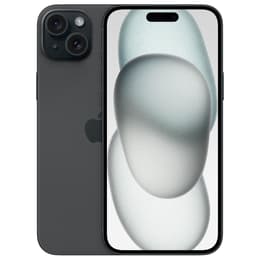
  • Display Technology and Size: Both the iPhone 14 and iPhone 15 Plus feature Super Retina XDR OLED displays, known for deep blacks, vibrant colors, and excellent contrast. The iPhone 14 has a 6.1-inch display, offering a compact viewing experience. The iPhone 15 Plus provides a larger 6.7-inch display, which enhances immersion for media consumption and productivity tasks.
  • Brightness and Clarity: Both screens offer high resolution and clarity for sharp text and detailed images. The iPhone 15 Plus's display can achieve higher peak brightness levels, particularly outdoors, making it easier to view content in bright sunlight compared to the iPhone 14.
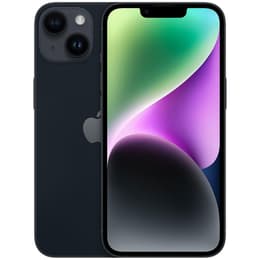
  • Design and Refresh Rate: The iPhone 14 features a traditional notch at the top of its display. The iPhone 15 Plus replaces this with the Dynamic Island, an interactive area that adapts to show alerts and live activities. Both devices maintain a standard 60Hz refresh rate.

Resolution

1170 x 2532

1290 x 2796

Screen type

Super Retina XDR OLED

Super Retina XDR OLED

Audiovisual

Both iPhones are equipped with capable camera systems, but the iPhone 15 Plus brings significant advancements to its main sensor and computational photography.

  • Main Camera System: The iPhone 14 features a dual 12-megapixel camera system, including a main wide lens and an ultra-wide lens. It delivers good image quality in various conditions, with improvements in low-light performance due to its Photonic Engine. The iPhone 15 Plus upgrades to a 48-megapixel main sensor, which, through pixel binning, produces highly detailed 24-megapixel photos. It also offers a 2x optical quality telephoto option by cropping the main sensor, a feature not present on the iPhone 14.
  • Low-Light and Video: Both models excel in everyday photography, but the iPhone 15 Plus shows improved low-light performance and greater detail capture. For video recording, both offer high-quality results with effective stabilization. The iPhone 14 includes Action Mode for smoother video during movement. The iPhone 15 Plus also provides excellent video capabilities, though advanced features like ProRes video are reserved for Pro models.
  • Front Camera and Features: Both devices include a 12-megapixel TrueDepth front camera for selfies and video calls. Neither the iPhone 14 nor the iPhone 15 Plus includes a dedicated macro mode or a true telephoto lens, which are typically found on Pro models.

Main camera

12 megapixels

48 megapixels

Front camera

12 megapixels

12 megapixels

Miscellaneous

Beyond core features, several practical elements differentiate the user experience between these two iPhone models.

  • Connectivity: Both devices support 5G cellular networks, Wi-Fi, and Bluetooth 5.3 for wireless connectivity. The iPhone 15 Plus features Wi-Fi 6E, offering potentially faster and more stable wireless connections in compatible environments compared to the iPhone 14's Wi-Fi 6.
  • Charging Port: A notable difference is the charging port. The iPhone 14 uses Apple's proprietary Lightning port. The iPhone 15 Plus transitions to a universal USB-C port, allowing for broader compatibility with chargers and accessories across different device types.
  • Physical Characteristics: The iPhone 14, with its 6.1-inch display, is a more compact and lighter device, making it easier for one-handed use and pocketability. The iPhone 15 Plus, with its 6.7-inch display, is larger and heavier, offering a more expansive screen at the expense of portability. Both maintain a similar thickness.

Weight

172 g

171 g

Screen size (in)

6.1

6.7

Network

5G

5G

SIM card

Physical SIM + eSIM

eSIM

Carrier compatibility

Unlocked

Unlocked

Connector

Lightning

USB-C (USB 2)

The iPhone 14 and iPhone 15 Plus cater to slightly different user needs, with the newer model offering several key enhancements. Users frequently praise the iPhone 15 Plus for its exceptional battery life, often extending beyond a single day of use, and its larger, more immersive display featuring the Dynamic Island. The upgraded main camera, capable of capturing detailed 24-megapixel photos and offering a 2x optical quality zoom, is also a significant highlight. The transition to a universal USB-C port is another widely appreciated change, simplifying charging and accessory compatibility.

Conversely, some users note that the iPhone 15 Plus's 60Hz display refresh rate feels less fluid compared to many competing smartphones. The absence of a dedicated telephoto lens is also a point of consideration for those seeking maximum photographic versatility. The iPhone 14, while still a capable device, has seen some user concerns regarding battery degradation over time and the complexities of independent repairs due to parts pairing requirements.

Users prioritizing a more compact form factor and a device that capably handles everyday tasks may find the iPhone 14 well-suited to their needs. Those who value a larger screen, extended battery life, a more advanced main camera system, and the convenience of USB-C connectivity will likely lean towards the iPhone 15 Plus. Both models offer a reliable iOS experience, and choosing between them often comes down to these specific priorities. For consumers looking for an eco-friendly alternative, both devices are available as quality-assured refurbished options.