

iPhone 11 Pro Vs iPhone XR

iPhone 11 Pro
iPhone 11 Pro
Starting at

Refurbished price:184.00

Versus €809.00 new

See options
iPhone XR
iPhone XR
Starting at

Refurbished price:122.00

Versus €439.00 new

See options

Ratings

The iPhone XR, released in 2018, and the iPhone 11 Pro, launched in 2019, represent distinct offerings from Apple's smartphone lineup. While the iPhone XR was positioned as a vibrant and accessible option, the iPhone 11 Pro introduced more advanced camera capabilities and a premium display. Both devices operate on the iOS platform, providing a consistent user experience, though their hardware differences lead to varied performance and features.

Scores

Durability

The iPhone 11 Pro and iPhone XR differ in their expected software longevity and physical construction, which are important considerations for long-term use.

  • Software Support: As the iPhone 11 Pro was released a year after the iPhone XR, it is generally expected to receive official software updates for a longer period, providing users with the latest security features and app compatibility for an additional cycle. The iPhone XR received major iOS updates through 2024, with iOS 18 marking its final major software update, while the iPhone 11 Pro is expected to receive updates for a longer duration.
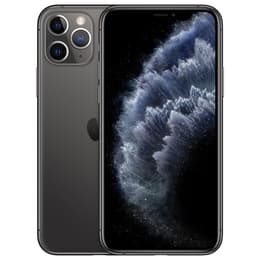
  • Build Materials: The iPhone XR features an aerospace-grade aluminum frame with glass panels, offering a durable design. In contrast, the iPhone 11 Pro utilizes a surgical-grade stainless steel frame and a textured matte glass back, which provides a different tactile experience and increased structural rigidity.
  • Environmental Resistance: The iPhone 11 Pro carries an IP68 rating, allowing it to withstand submersion in deeper water for longer periods compared to the IP67 rating of the iPhone XR, which provides protection against spills and splashes.
  • Repairability: Both the iPhone XR and iPhone 11 Pro received a repairability score of 6 out of 10 from iFixit, indicating that common repairs like display and battery replacements are relatively accessible.

Year of Release

2019

2018

Compatible with latest Update

Yes

Yes

OS

iOS

iOS

Foldable

No

No

Performance

While both smartphones handle daily tasks efficiently, the internal hardware of the iPhone 11 Pro offers more capacity for demanding activities and multitasking.

  • System Responsiveness: The iPhone 11 Pro features more advanced internal processing capabilities, resulting in faster app launches and smoother transitions when switching between multiple open applications compared to the iPhone XR. The iPhone 11 Pro includes 4GB of RAM, while the iPhone XR has 3GB of RAM, contributing to the 11 Pro's enhanced multitasking abilities.
  • Battery Behavior: The iPhone 11 Pro manages power more effectively during intensive tasks like video streaming or gaming, often lasting longer through a full day of heavy use than the iPhone XR. The iPhone 11 Pro has a 3046mAh battery, compared to the iPhone XR's 2942mAh battery.
  • Future Readiness: The iPhone 11 Pro's newer processor and additional RAM provide more performance headroom, ensuring it stays responsive for longer with future software updates and more demanding applications.

Memory

4 GB

3 GB

Screen quality

The visual experience is a significant point of difference between these two models, affecting everything from reading text to watching videos.

  • Display Technology: The iPhone XR uses a Liquid Retina LCD, which provides natural color reproduction. In contrast, the iPhone 11 Pro features a Super Retina XDR OLED screen that delivers deeper blacks and higher contrast ratios for a more immersive viewing experience.
  • Resolution and Clarity: The iPhone XR offers a 6.1-inch screen with a resolution of 828x1792 pixels at 326 pixels per inch (ppi). The iPhone 11 Pro, with its 5.8-inch display, has a higher resolution of 1125x2436 pixels at 458 ppi, resulting in sharper text and finer detail in images.
  • Brightness and Outdoor Use: The OLED panel on the iPhone 11 Pro can reach significantly higher brightness levels, making the screen easier to read and interact with in direct sunlight compared to the LCD on the XR.
  • Screen Size and Viewing Experience: The iPhone XR provides a larger 6.1-inch screen, which some users may prefer for more expansive viewing. The iPhone 11 Pro's 5.8-inch display is more compact, potentially offering easier one-handed operation.

Resolution

1125 x 2436

828 x 1792

Screen type

Super Retina XDR OLED

Liquid Retina IPS LCD

Audiovisual

The camera systems are a primary differentiator, with the iPhone 11 Pro offering greater versatility and advanced features.

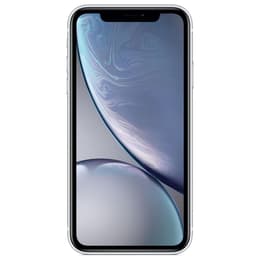
  • Camera System Capabilities: The iPhone XR features a single 12-megapixel wide-angle lens on the rear and a 7-megapixel front camera. The iPhone 11 Pro, however, boasts a triple-lens system on the rear, including 12-megapixel ultra-wide, wide, and telephoto options, along with a 12-megapixel front camera.
  • Low-Light and Everyday Photography: The iPhone 11 Pro includes a dedicated Night mode, which allows for clear and detailed photos in dark environments, a feature absent on the iPhone XR. In well-lit conditions, both phones can produce vibrant photos, but the iPhone 11 Pro often captures sharper images with finer details.
  • Video Recording Quality: Both devices support 4K video recording. The iPhone 11 Pro offers improved dynamic range and stabilization for video, and its front camera can record 4K video at 60fps, while the iPhone XR records at 1080p at 60fps.
  • Microphone and Speaker Quality: Both phones offer stereo speakers. While specific microphone quality comparisons are less prominent, the overall media consumption experience is enhanced by the display differences.

Main camera

12 megapixels

12 megapixels

Front camera

12 megapixels

7 megapixels

Miscellaneous

Beyond core specifications, several practical elements contribute to the overall user experience of these devices.

  • Connectivity Options: Both models support 4G LTE networks, ensuring reliable mobile data speeds for standard browsing and streaming. They also support Wi-Fi 802.11ac and Bluetooth 5.0.
  • Port Types: Both the iPhone XR and iPhone 11 Pro utilize the Lightning port for charging and data transfer, maintaining compatibility with existing accessories. Neither device includes a traditional 3.5mm headphone jack.
  • Useful Sensors: Both phones incorporate Face ID for secure unlocking and payments. The Face ID sensors on the iPhone 11 Pro are refined to work from more varied angles and at slightly faster speeds than the first-generation system in the XR.
  • Weight and Dimensions: The iPhone XR weighs 194 grams and has a 6.1-inch screen, while the iPhone 11 Pro weighs 188 grams and has a 5.8-inch screen. The iPhone 11 Pro is slightly more compact, which may appeal to users preferring a smaller device, despite its slightly heavier feel due to the stainless steel frame.

Weight

188 g

194 g

Screen size (in)

5.8

6.1

Network

4G

4G

SIM card

Physical SIM + eSIM

Physical SIM + eSIM

Carrier compatibility

Unlocked

Unlocked

Connector

Lightning

Lightning

User sentiment for both the iPhone XR and iPhone 11 Pro highlights their respective strengths. The iPhone XR is frequently praised for its reliable battery life and its comfortable screen size for general use, making it a solid choice for everyday tasks like social media and web browsing. However, some users note that its single camera can feel limiting for creative photography.

Conversely, the iPhone 11 Pro is often lauded for its exceptional display quality and the versatility of its triple-camera system, which includes ultra-wide and telephoto lenses. Users appreciate its enhanced performance for demanding applications and its more premium build materials. Some users, however, find its smaller screen size less ideal for long-form video consumption compared to larger models.

Users prioritizing advanced photographic tools, a more compact form factor, or the highest possible screen clarity will likely find the iPhone 11 Pro well-suited to their needs. Those who value a larger screen for general media consumption and a simpler interface for daily tasks may prefer the iPhone XR. Both devices offer a robust iOS experience, and choosing a quality-assured refurbished option for either model presents an eco-friendly alternative, contributing to reduced electronic waste while providing a reliable device.


See all articles

Our recent comparisons





