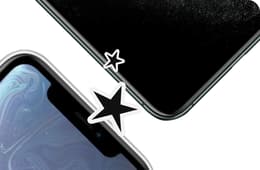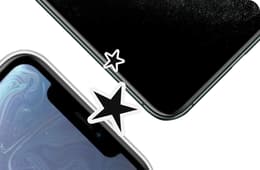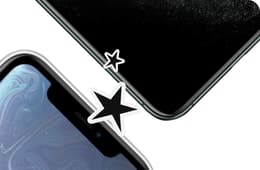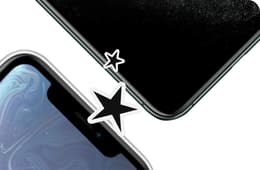

iPhone 12 mini Vs iPhone XR

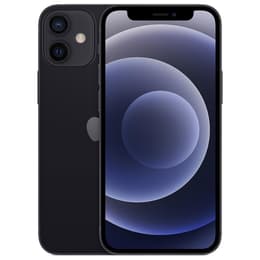
iPhone 12 mini
iPhone 12 mini
Starting at

Refurbished price:166.00

Versus €689.00 new

See options
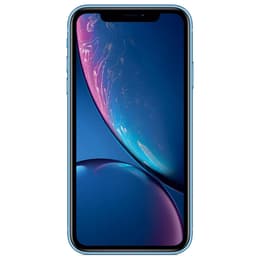
iPhone XR
iPhone XR
Starting at

Refurbished price:127.00

Versus €439.00 new

See options

Ratings

The iPhone 12 Mini, released in October 2020, and the iPhone XR, launched in October 2018, represent different design philosophies within Apple's smartphone lineup. While the iPhone XR offers a larger display and a focus on core functionality, the iPhone 12 Mini provides a more compact form factor with updated internal components and enhanced features. Both devices operate on Apple's iOS, but their generational gap leads to distinct differences in their capabilities and long-term software support.

Scores

Durability

The two-year difference in release dates between these models significantly impacts their expected functional lifespan and ongoing software support from the manufacturer.

  • Software Longevity: The iPhone 12 Mini, being a newer device, is compatible with the latest operating system, iOS 26, and is expected to receive major updates for several more years, potentially until 2028-2030. In contrast, the iPhone XR's final major software update was iOS 18 in 2024, and it is not compatible with iOS 26, though it continues to receive security updates for iOS 18. [1, 15, 27, 35, 36, 38, 43, 44]
  • Physical Resilience: The iPhone 12 Mini features a Ceramic Shield front cover, designed to offer improved protection against drops compared to the standard glass found on the iPhone XR. Both models offer water and dust resistance, with the iPhone 12 Mini rated IP68 and the iPhone XR rated IP67, indicating slightly better protection for the newer model. [1, 2, 3, 7, 8]
  • Repairability: Both devices are widely supported by independent repair services. Some technicians note that the iPhone XR's older internal layout can be slightly more straightforward for common component replacements like the battery. [1]

Year of Release

2020

2018

Compatible with latest Update

Yes

Yes

OS

iOS

iOS

Foldable

No

No

Performance

Despite their differing sizes, both phones are designed to handle daily tasks, though the iPhone 12 Mini offers a more responsive experience for demanding applications due to its newer internal components.

  • System Responsiveness: The iPhone 12 Mini handles multitasking and heavy applications with greater ease, exhibiting less lag when switching between intensive tasks. Its newer processor provides a noticeable boost in speed and efficiency for everyday use, gaming, and video editing. [1, 18, 21, 25, 32]
  • Battery Behavior: The iPhone XR generally offers longer battery endurance for continuous video playback and audio playback, with a larger physical battery capacity. The iPhone 12 Mini, while featuring a more power-efficient display and processor, has a smaller battery, which means heavy users may need to manage its charge more mindfully throughout the day. [1, 8, 19, 24, 25, 37]
  • Storage Options: Both models were available with similar storage configurations, typically including 64GB, 128GB, and 256GB options, providing ample space for apps, photos, and media. [2, 4, 6, 7, 8]

Memory

4 GB

3 GB

Screen quality

The viewing experience differs significantly between these two models, primarily due to their display technology and pixel density.

  • Display Technology: The iPhone 12 Mini utilizes an OLED panel, which delivers true blacks, higher contrast, and more vibrant colors. The iPhone XR features an LCD screen, offering natural colors but lacking the same depth in dark scenes and overall contrast. [1, 8, 10, 17, 18, 22, 39]
  • Clarity and Detail: Text and images appear noticeably sharper on the iPhone 12 Mini due to its higher resolution (2340 x 1080 pixels) and greater pixel density (476 ppi) on a smaller screen. The iPhone XR has a resolution of 1792 x 828 pixels at 326 ppi. [1, 3, 8, 10]
  • Outdoor Visibility: The iPhone 12 Mini can achieve higher peak brightness levels, making its screen easier to read and view content clearly when used directly under bright sunlight compared to the iPhone XR. [1, 8, 18]

Resolution

1080 x 2340

828 x 1792

Screen type

Super Retina XDR OLED

Liquid Retina IPS LCD

Audiovisual

Photography and media consumption capabilities show a generational gap, particularly concerning lens versatility and low-light processing.

  • Camera System: The iPhone 12 Mini features a dual-camera setup, including a 12-megapixel wide lens with a wider aperture and an additional 12-megapixel ultra-wide lens, allowing for more versatile shot composition. The iPhone XR has a single 12-megapixel wide-angle lens. [1, 4, 8, 14, 16, 28, 30]
  • Low-Light Performance: The iPhone 12 Mini includes Night mode, which significantly enhances clarity and detail in dark environments, a feature not available on the iPhone XR's native camera application. The 12 Mini also benefits from Deep Fusion and improved Smart HDR for better image processing across various lighting conditions. [1, 8, 14, 16, 28, 32]
  • Video and Front Camera: Both phones support 4K video recording at 60 frames per second with optical image stabilization. However, the iPhone 12 Mini offers a 12-megapixel front camera capable of 4K video recording, while the iPhone XR has a 7-megapixel front camera limited to 1080p video. [8, 14, 16, 28, 30, 31]

Main camera

12 megapixels

12 megapixels

Front camera

12 megapixels

7 megapixels

Miscellaneous

Beyond core specifications, the physical design and connectivity options define how these devices function in daily use.

  • Connectivity Standards: The iPhone 12 Mini supports 5G networks, offering faster mobile data speeds in compatible areas. The iPhone XR is limited to 4G LTE connectivity. Both support Wi-Fi and Bluetooth, with the 12 Mini featuring Wi-Fi 6 for potentially faster and more stable wireless connections. [3, 4, 8, 10]
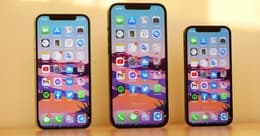
  • Physical Design and Handling: The iPhone 12 Mini is notably smaller and lighter, making it ideal for one-handed use and fitting into smaller pockets. The iPhone XR is larger and heavier, providing a more expansive screen but requiring a more substantial grip. The 12 Mini also introduced MagSafe for magnetic accessories and charging. [8, 10, 11, 20, 21, 22, 28]
  • Security and Ports: Both devices rely on Face ID for secure authentication. They both feature a Lightning port for charging and data transfer, and neither includes a traditional 3.5mm headphone jack. [2, 6, 7, 12, 23]

Weight

135 g

194 g

Width

6,42 cm

7,57 cm

Height

13,15 cm

15,09 cm

Screen size (in)

5.4

6.1

Network

5G

4G

SIM card

Physical SIM + eSIM

Physical SIM + eSIM

Carrier compatibility

Unlocked

Unlocked

Connector

Lightning

Lightning

User feedback often highlights the iPhone XR's strong battery life and larger screen as key advantages, making it a reliable choice for those who prioritize endurance and a more expansive viewing area. Some users, however, note its camera limitations in low light and its aging design. The iPhone 12 Mini is frequently praised for its compact size, vibrant OLED display, and advanced camera capabilities, particularly Night mode. Criticisms often center on its comparatively shorter battery life for heavy usage.

Users prioritizing a larger screen for media consumption and a battery that reliably lasts through a full day of moderate use may find the iPhone XR well-suited to their needs. Conversely, users who value a compact design, superior screen clarity, faster mobile data speeds, and enhanced photography features will likely find the iPhone 12 Mini a better fit. Choosing a quality-assured refurbished option for either model is an eco-friendly alternative that provides a functional device while contributing to reduced electronic waste. Ultimately, the decision depends on whether a larger, enduring device or a modern, compact powerhouse aligns better with individual preferences.


See all articles

Our recent comparisons