
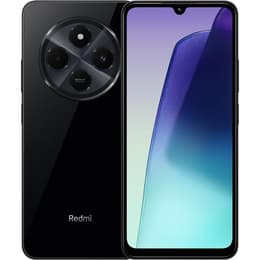


Google Pixel 9 Pro Vs Xiaomi Redmi 14C

Google Pixel 9 Pro
Google Pixel 9 Pro
Starting at

Refurbished price:484.00

Versus €1,099.00 new

See options
Xiaomi Redmi 14C
Xiaomi Redmi 14C
Starting at

Refurbished price:128.20

Versus €189.00 new

See options

Ratings

The Google Pixel 9 Pro, released in late 2024, and the Xiaomi Redmi 14C, launched around the same time, represent distinct approaches to smartphone design and functionality. While both devices operate on the Android platform, they cater to different user expectations through their hardware capabilities and software experiences. The Pixel 9 Pro emphasizes advanced computational photography, a premium build, and extended software support, whereas the Redmi 14C focuses on delivering a large display and essential features for everyday use.

Scores

Durability

The longevity of a smartphone is influenced by its build quality, software support, and the availability of replacement parts. These two devices offer differing expectations in terms of their practical lifespan.

  • Software Updates: The Google Pixel 9 Pro is designed for extended usability, offering an impressive seven years of operating system and security updates, ensuring support until Android 22. This commitment provides a long-term software experience. In contrast, the Xiaomi Redmi 14C typically receives two major Android updates and three years of security patches, with support expected until August 2028.
  • Build and Durability: The Pixel 9 Pro features a construction with flat sides, thinner bezels, a matte glass back, and polished aluminum sides, contributing to a durable feel and includes an IP68 rating for water and dust resistance. The Redmi 14C utilizes a plastic frame with a glass-like back panel, which offers a sturdy feel but lacks an official IP rating for environmental protection.
  • Repairability: While specific repairability scores can vary, devices with longer software support often benefit from a more sustained ecosystem for parts and service. The Pixel's longer support window suggests a longer period during which official parts and repair expertise might be more readily available.

Year of Release

2024

2024

Compatible with latest Update

Yes

Yes

OS

Android

Android

Foldable

No

No

Performance

Performance in a smartphone is not solely about raw processing power but how smoothly the device handles daily tasks, multitasking, and demanding applications. The Pixel 9 Pro and Redmi 14C offer different levels of responsiveness and capability.

  • Processing Power: The Google Pixel 9 Pro is equipped with a current-generation processor designed to handle intensive applications, complex AI features, and seamless multitasking. Users can expect fluid navigation, quick app loading, and smooth performance even with graphically demanding games. The Xiaomi Redmi 14C features a processor optimized for essential daily tasks, providing reliable performance for browsing, social media, and messaging. While it handles these activities well, some minor stutters may occur during heavy multitasking or when running several applications in the background.
  • Memory and Storage: The Pixel 9 Pro comes with a substantial 16GB of RAM, supporting extensive multitasking and ensuring applications remain responsive even when many are open simultaneously. It offers various storage options up to 1TB. The Redmi 14C is available with 4GB, 6GB, or 8GB of RAM, with memory extension technology allowing for expanded RAM. It offers up to 256GB of internal storage, which is expandable via a microSD card.
  • Battery Behavior: The Pixel 9 Pro, with its 4700 mAh battery, generally provides good battery life, with users reporting it lasting through a full day of moderate to heavy use. The Redmi 14C, despite its larger 5160mAh battery, has been noted to have below-average efficiency for its segment, resulting in approximately 39 hours of use under light to moderate conditions.

Memory (GB)

16 GB

4 GB

Screen quality

The display is a primary interface for any smartphone, influencing everything from media consumption to daily interactions. The Pixel 9 Pro and Redmi 14C offer distinct visual experiences.

  • Display Technology and Resolution: The Google Pixel 9 Pro features a 6.3-inch OLED display with a high resolution of 2856x1280 pixels, resulting in sharp and detailed visuals. This technology delivers deep blacks and vibrant colors. The Xiaomi Redmi 14C sports a larger 6.88-inch IPS LCD display with an HD+ resolution of 1640x720 pixels. While the larger size offers an expansive viewing area, the lower resolution means individual pixels may be more discernible.
  • Brightness and Refresh Rate: The Pixel 9 Pro's display can reach a peak brightness of 3000 nits for general use and 2000 nits for HDR content, ensuring excellent visibility even in bright outdoor conditions. It also features a variable refresh rate from 1Hz to 120Hz, providing smooth scrolling and conserving battery when static. The Redmi 14C offers a 120Hz refresh rate for smooth motion and a peak brightness of 600 nits, which is sufficient for indoor use but may be less visible in direct sunlight.
  • Eye Comfort Features: The Redmi 14C includes TÜV Rheinland certifications for low blue light and flicker-free dimming, aiming to provide a more comfortable viewing experience during prolonged use.

Resolution

1280 x 2856

720 x 1640

Screen type

LTPO OLED

IPS LCD

Audiovisual

Camera capabilities are a significant factor for many users, encompassing everything from casual snapshots to more advanced photography and videography. The Pixel 9 Pro and Redmi 14C approach imaging with different hardware and software philosophies.

  • Rear Camera System: The Google Pixel 9 Pro boasts a versatile triple-camera system on the rear, including a 50MP main sensor, a 48MP ultrawide lens with macro autofocus, and a 48MP telephoto lens offering 5x optical zoom. This setup, combined with Google's computational photography, excels in capturing detailed images across various lighting conditions, including low light, and provides advanced zoom capabilities. The Xiaomi Redmi 14C features a dual-camera system with a 50MP main sensor that captures bright and detailed photos in daylight, along with an auxiliary lens primarily for depth perception.
  • Front Camera and Video Recording: For selfies and video calls, the Pixel 9 Pro is equipped with a 42MP front camera with autofocus and a wide field of view. It supports 4K video recording at 60 frames per second, with an option for 8K video via cloud-based processing. The Redmi 14C has a 13MP front camera that delivers decent selfies with beautification features and night mode. Both its front and rear cameras record video at 1080p resolution at 30 frames per second.
  • Photography Features: The Pixel 9 Pro integrates advanced AI features such as Super Resolution zoom, HDR+, and unique editing tools like 'Add Me' and 'Reimagine,' enhancing creative possibilities. The Redmi 14C includes features like Xiaomi Imaging Engine and 'filmCamera' filters to add stylistic effects to photos and videos.

Main camera

50 megapixels

50 megapixels

Front camera

42 megapixels

13 megapixels

Miscellaneous

Beyond core performance and camera, several practical elements contribute to the overall user experience, from connectivity to physical design.

  • Connectivity and Ports: The Google Pixel 9 Pro supports 5G connectivity, advanced Wi-Fi standards, and features an ultrasonic under-display fingerprint sensor for secure access. The Xiaomi Redmi 14C offers dual SIM 4G LTE, Wi-Fi 5, Bluetooth 5.4, and includes a 3.5mm headphone jack, which is a practical addition for many users. It also features a side-mounted fingerprint scanner and AI face unlock.
  • Design and Handling: The Pixel 9 Pro has dimensions of 152.8 x 72 x 8.5 mm and weighs around 199 grams, offering a compact form factor that many users find comfortable for one-handed use. The Redmi 14C is a larger device, measuring 171.88 x 77.8 x 8.22 mm and weighing between 204g and 211g. Its size provides an expansive screen but can feel substantial during extended use.
  • Audio Experience: The Pixel 9 Pro includes dual stereo speakers, providing a more immersive audio experience for media consumption. The Redmi 14C features a mono bottom-firing speaker, which delivers clear audio but lacks the depth of a stereo setup.

Weight

199 g

207 g

Screen size (in)

6.3

6.88

Network

5G

4G

SIM card

Physical SIM + eSIM

Dual Physical SIM

Carrier compatibility

Unlocked

Unlocked

Connector

USB-C

USB-C

User feedback for the Google Pixel 9 Pro often highlights its exceptional camera capabilities, particularly its advanced AI features and telephoto lens, as a major strength. Many users appreciate its compact size for a Pro model and the long-term software support. Some criticisms include occasional heating during intensive tasks or charging, and some users have noted minor software quirks. The Pixel 9 Pro is generally praised for its vibrant display and overall smooth performance for everyday use.

For the Xiaomi Redmi 14C, common praise points revolve around its large 120Hz display, which offers a smooth visual experience for its category. Users also frequently commend its battery life for typical daily usage, despite some reports of lower efficiency compared to competitors. The camera system is noted for producing decent photos in good lighting conditions. Criticisms sometimes point to the HD+ resolution on a large screen, which can appear less sharp, and the processor's limitations during heavy multitasking.

Users prioritizing a compact, premium device with industry-leading camera technology, extensive software longevity, and advanced AI features will find the Google Pixel 9 Pro well-suited to their needs. Its robust performance and high-resolution OLED display cater to those seeking a flagship experience. Conversely, users who value a large display for media consumption, a functional camera for everyday photos, and reliable performance for basic tasks may lean towards the Xiaomi Redmi 14C. It offers a compelling package for those seeking essential smartphone capabilities without the advanced features of a top-tier device.

Both models, whether new or as a quality-assured refurbished option, provide distinct advantages depending on individual priorities.


See all articles

Our recent comparisons